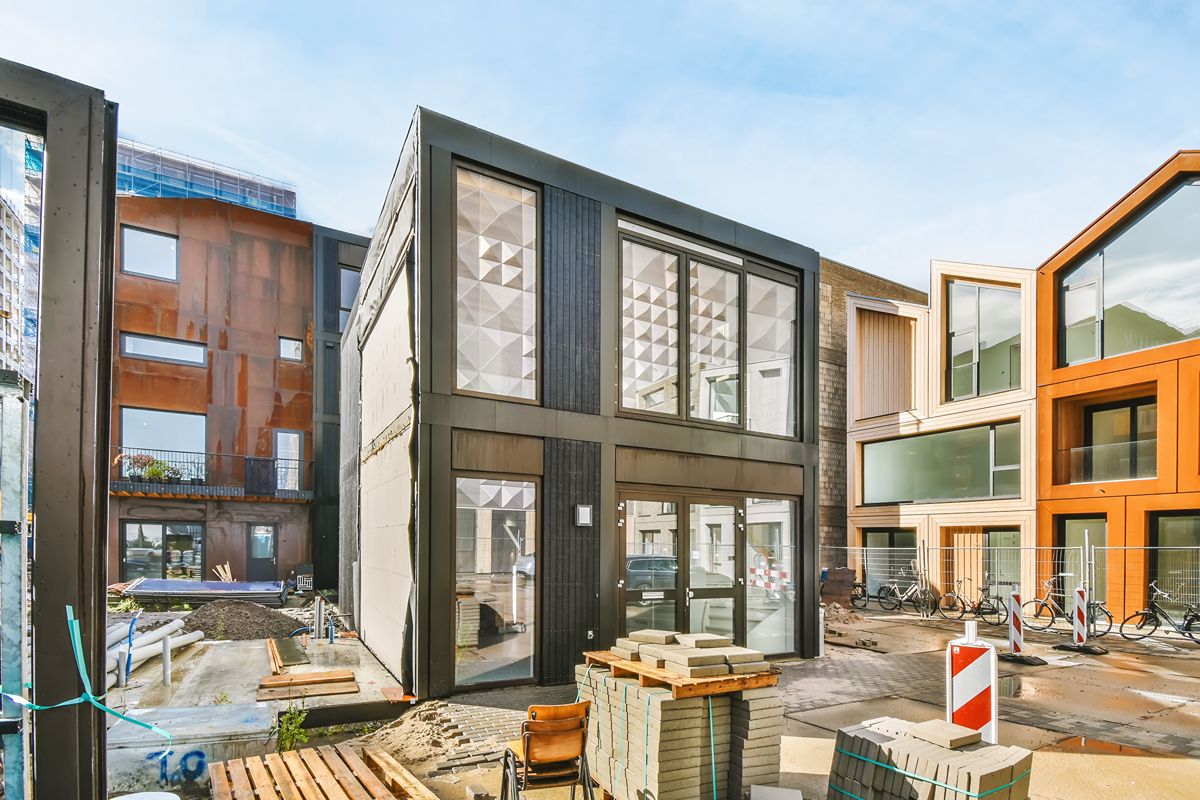
What should define a high-performance modular office for manufacturing sites?
- Acoustic and thermal insulation
- Industrial-grade durability
- Optimized operational visibility
- Rapid deployment and pre-integration
- Reconfigurability and scalability
Overview
- A high-performance manufacturing office should support productivity while withstanding the demands of an active industrial environment.
- From insulation and durability to efficient deployment and future adaptability, each factor contributes to long-term workplace performance.
- Indigo Prefab House provides customizable container van office solutions designed to meet diverse manufacturing and operational requirements.
An office inside a production facility is more than a place for administrative work. Its location, construction, insulation, and utilities can affect how quickly teams respond to fabrication issues and coordinate daily responsibilities.
For this reason, businesses should assess an office based on how it functions within the facility. In this article, we’ll explore what defines a high-performance modular office for manufacturing sites and the factors to consider when choosing one.
Acoustic and Thermal Insulation
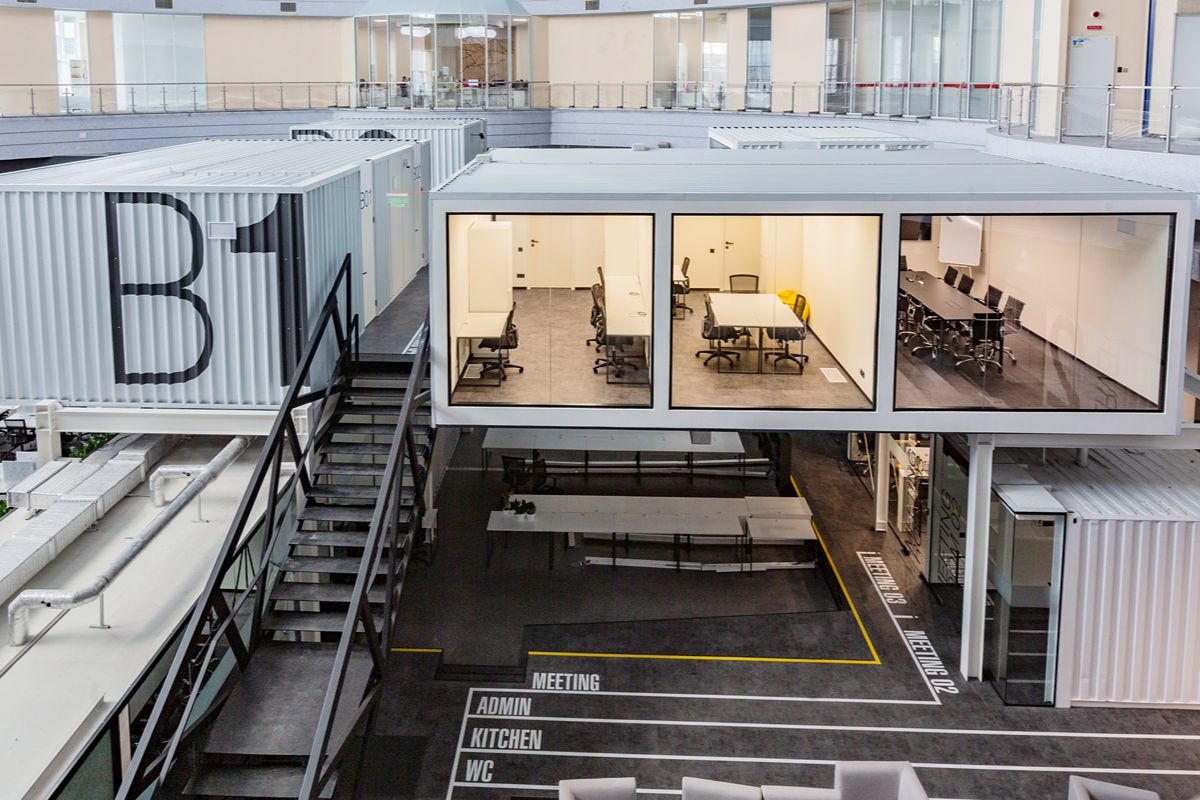
Comfort can be difficult to maintain when an office sits inside or beside an active production area. Machinery generates noise and heat throughout the day, while outdoor exposure can create additional temperature changes that affect the indoor environment.
A well-designed modular office should therefore have adequate insulation for its intended location. Insulated wall and roof panels can reduce heat transfer, while suitable acoustic materials, sealed doors, and properly fitted windows help limit noise from surrounding operations. When evaluating a unit, consider the facility’s noise levels, expected indoor occupancy, and local climate to determine the appropriate insulation level.
Industrial-Grade Durability
Manufacturing sites expose structures to more demanding conditions than typical office environments. Equipment movement, vibration, dust, moisture, frequent foot traffic, and occasional contact with material-handling equipment can gradually wear down poorly suited materials.
For this reason, examine the structural system before focusing on interior finishes. Look for durable steel framing, corrosion-resistant protection, sturdy wall and roof systems, and components designed for repeated daily use. Also consider where the office will be positioned, because an indoor unit beside a production line may face different stresses than an outdoor office exposed directly to weather.
Optimized Operational Visibility
A high-performing office should not isolate employees from the operations they oversee. Supervisors, engineers, and quality control personnel often need to observe production, respond to issues, and communicate with floor personnel throughout the day.
Placement and design can make these activities easier. Positioning the office near relevant production areas can shorten travel between administrative and operational spaces. The layout should also account for access routes, equipment movement, and safety clearances so improved visibility does not interfere with normal operations.
Rapid Deployment and Pre-Integration
Modular construction can reduce the burden of traditional construction by completing much of the preparation before the unit arrives at the site. Depending on the layout, insulation, wall finishes, windows, doors, electrical components, lighting, and plumbing can be incorporated during fabrication. This leaves the project team with fewer on-site tasks and can make the transition to an operational workspace more straightforward.
Even so, review installation requirements before purchase. Confirm how the unit will be transported, where it will be positioned, and how utilities will be connected.
Reconfigurability and Scalability
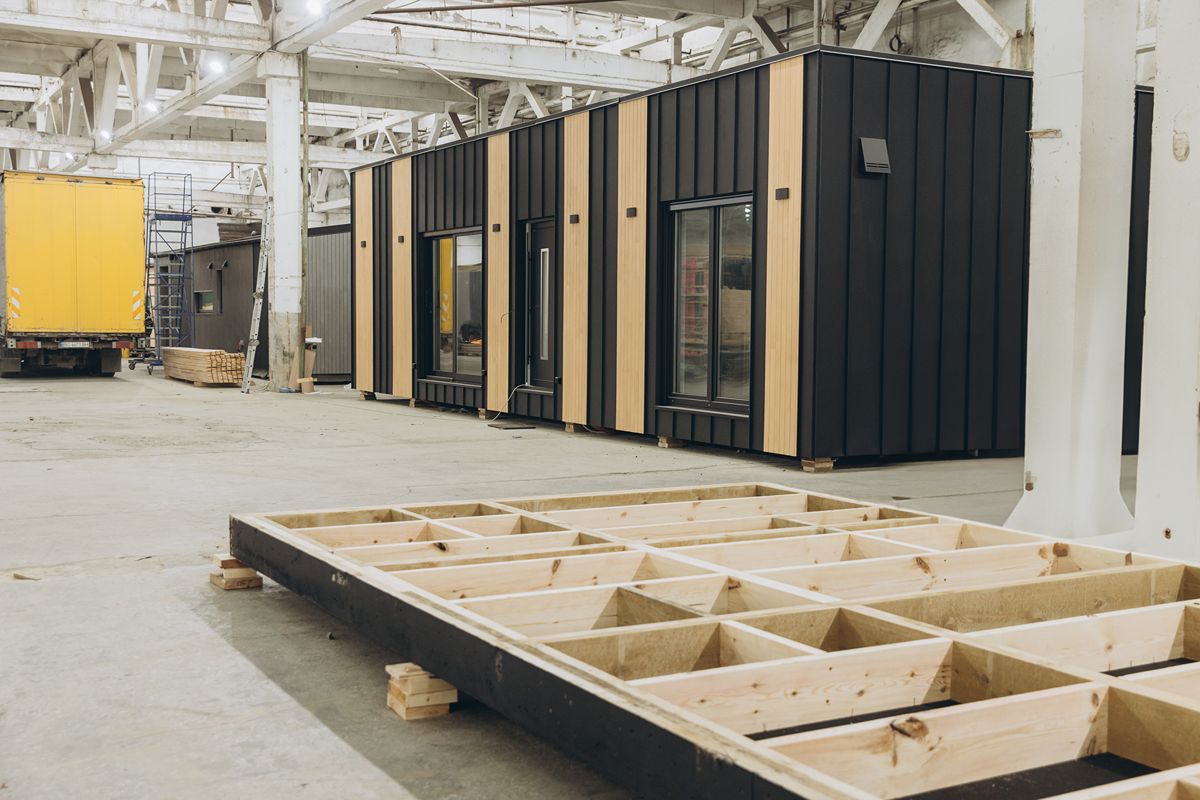
A business may add machinery, increase its workforce, reorganize departments, or change how different teams interact with the production floor. A modular office can support these changes when its configuration is planned with future requirements in mind. Depending on the system, you can connect additional units, modify internal areas, or relocate the entire structure when the facility layout changes.
Planning for these possibilities from the beginning helps prevent an office from becoming a permanent obstacle to future expansion.
How to Choose a High-Performance Modular Office
Choosing the right unit starts with the site’s actual requirements. Use these steps to narrow down the right configuration:
- Choose dimensions and placement based on the number of users, office functions, and available factory space.
- Select materials and insulation that can withstand the site’s noise, heat, vibration, moisture, and daily industrial activity.
- Identify electrical, lighting, HVAC, plumbing, ventilation, and data requirements before fabrication begins.
- Choose a configuration that can be expanded, modified, or relocated as production requirements change.
- Inspect site access, foundation needs, transportation requirements, and applicable building and fire safety regulations before installation.
Optimize Manufacturing Workspaces with Indigo Prefab House
At Indigo Prefab House, we offer customizable container van office solutions designed for different operational requirements. Our prefab offices combine steel-based structural systems with features such as anti-rust protection, insulated wall and roof choices, doors and windows, and provisions for electrical and plumbing installations.
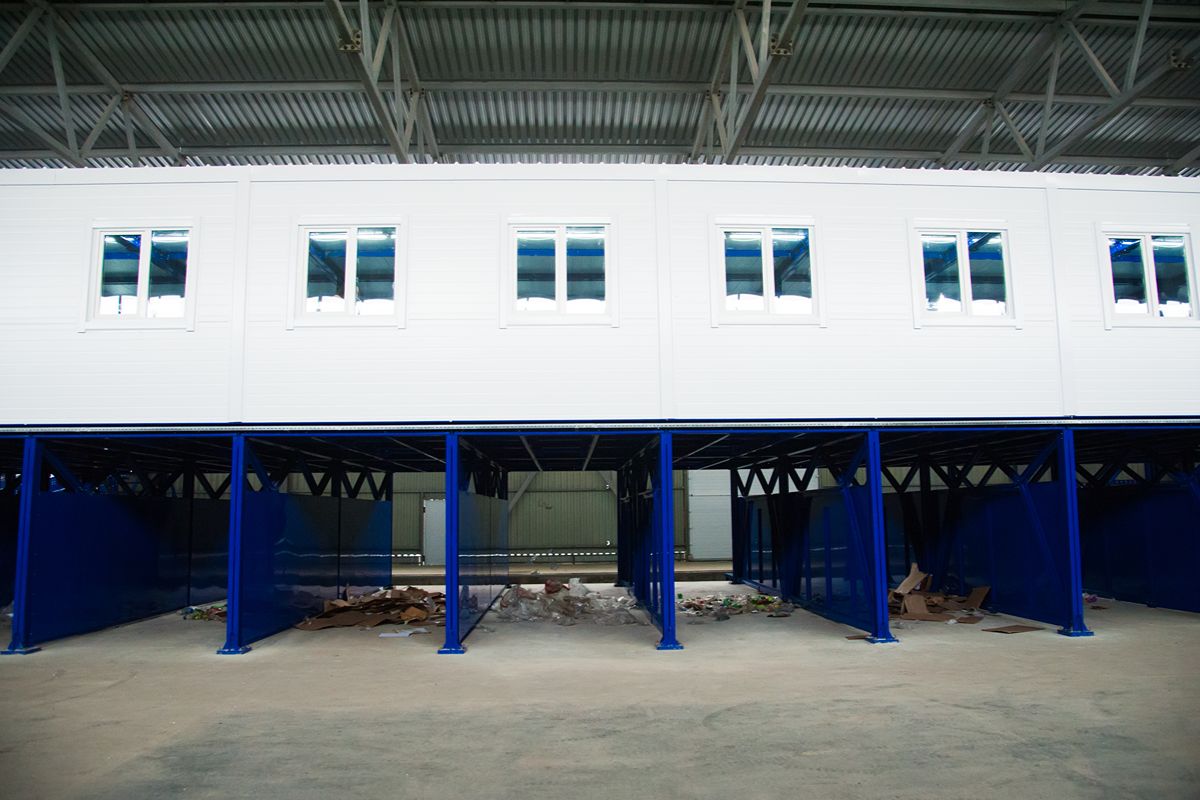
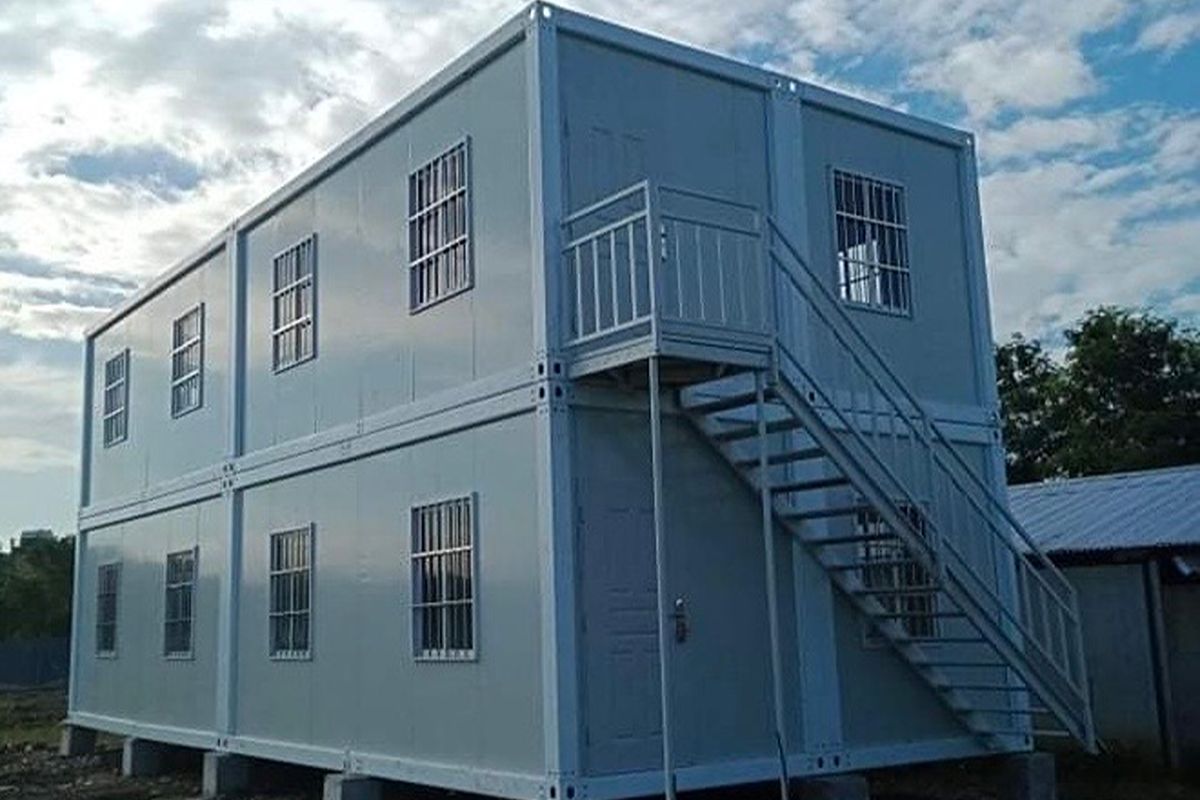
Businesses can choose from compact and larger container workspaces, units with integrated toilet and sink facilities, and elevated configurations. During fabrication, components such as electrical systems, plumbing, and interior finishes can be incorporated before delivery.
Key Takeaway
Understanding what defines a high-performance modular office for manufacturing sites starts with looking beyond basic workspace demands. Organizations must consider structural integrity, insulation, installation, and the ability to adapt the office as facility requirements change.
Indigo Prefab House provides customizable container van office solutions designed around different industrial needs. Contact us today to explore a practical workplace for your workflows.
Share on


Most Viewed Posts

How Long Does It Take to Install a Prefab Container Building?
Read More
How Container Offices Improve Space Efficiency in Factories
Read More
Why Flexibility Makes Modular Offices Ideal for Industrial Operations
Read More

What to Consider When Choosing a Prefab Office for Manufacturing Use
Read More
Essential Maintenance Practices for Container-Based Workspaces
Read More