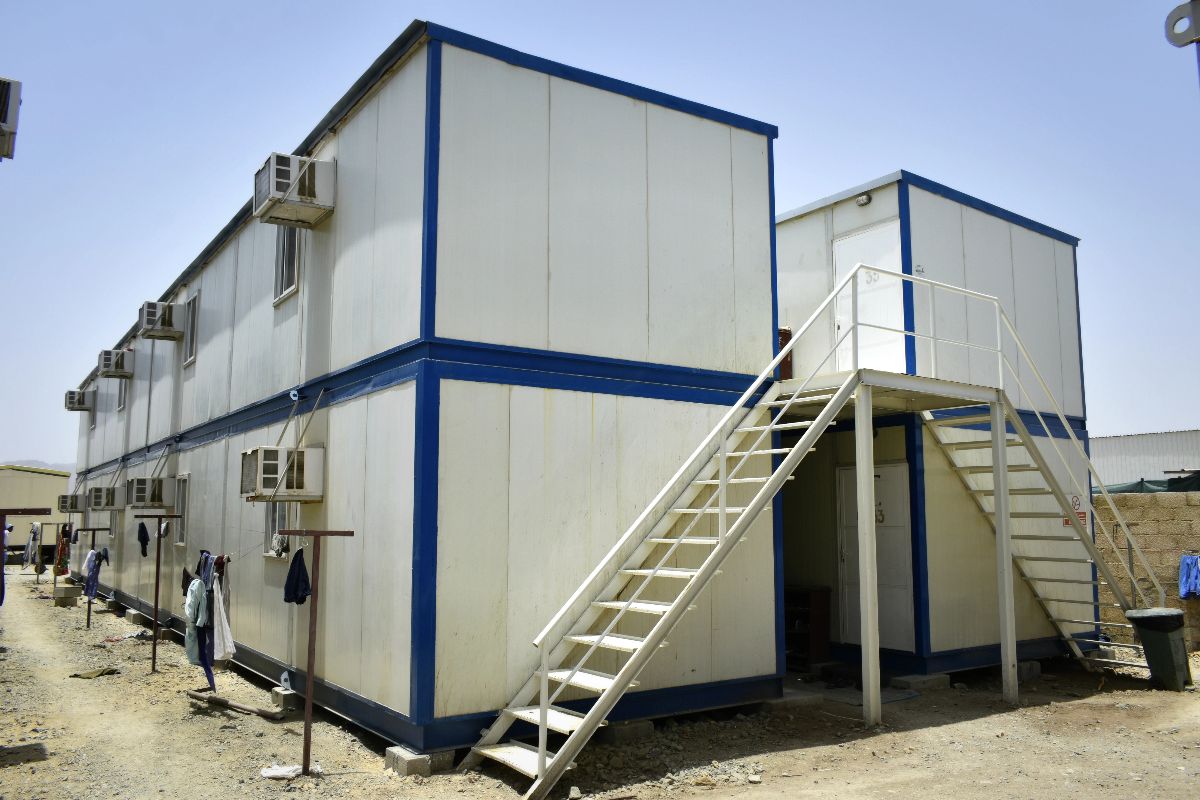
Overview
- This article compares both approaches across key cost factors to help you understand which option better aligns with your project demands, timeline, and budget.
- Choosing between prefab office and traditional construction plays a key role in how your project manages cost, time, and long-term efficiency.
- While traditional construction remains a familiar choice due to its permanence and established methods, many businesses are now exploring prefab offices as a more flexible and cost-conscious alternative.
Cost plays a major role in any project, influencing decisions from planning to execution. For many businesses, traditional construction has long been the most familiar and default choice because of its permanence and established process.
However, as projects grow, timelines become tighter, and operational needs become more flexible, prefab offices are increasingly seen as a practical alternative that offers greater control over time and cost.
In this article, we will explore prefab office vs traditional construction to help you better understand how each option compares in terms of overall expenses. This will allow you to evaluate which approach aligns more effectively with your project’s requirements, timeline, and budget priorities.
Cost Comparison Breakdown: Prefab Office vs Traditional Construction
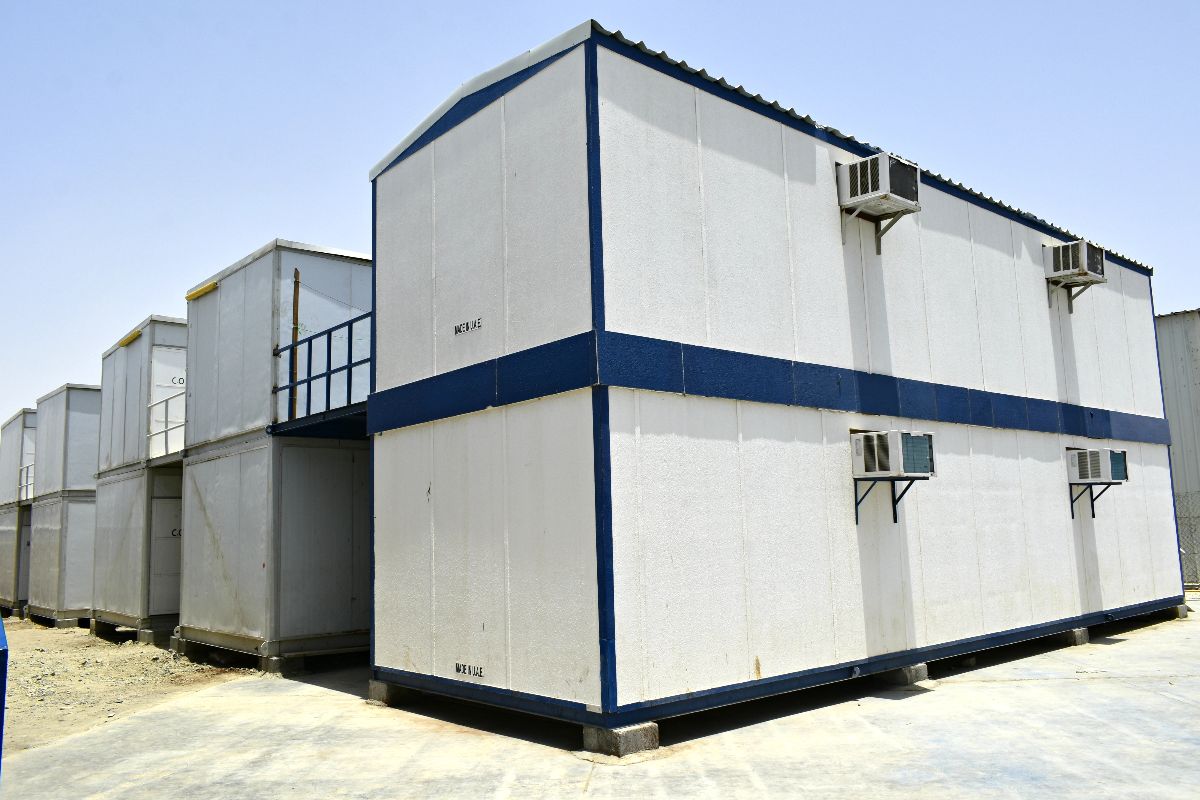
Take a look at the cost comparison to understand how each option impacts your budget across different stages of a project.
Initial Construction Cost
Upfront costs often set the direction of your overall budget, especially when balancing materials, labor, and site requirements. Prefab offices benefit from controlled manufacturing, while traditional construction involves more variables that can affect pricing early on.
Pros
- Prefab: Lower upfront cost due to standardized production and reduced on-site work.
- Traditional: Offers full design freedom for highly customized structures.
Cons
- Prefab: Custom upgrades can increase cost depending on specifications.
- Traditional: Higher initial expenses from labor, materials, and longer setup requirements.
Labor & Time
Labor and time are closely tied, and both directly influence how much you spend throughout the construction phase. Prefab reduces dependency on large on-site teams, while traditional builds rely heavily on skilled labor over extended periods.
Pros
- Prefab: Requires fewer workers and shorter timelines, reducing overall labor costs.
- Traditional: Allows phased construction depending on workforce availability.
Cons
- Prefab: Delivery and scheduling still require coordination for efficient setup.
- Traditional: Labor shortages and longer timelines can significantly increase costs.
Operating & Maintenance Costs
Long-term expenses often determine the real value of your workspace. Maintenance, durability, and energy efficiency all play a role in how costs accumulate over time.
Pros
- Prefab: Built with durable, insulated materials that help reduce maintenance and energy costs.
- Traditional: Can be designed with premium materials for long-term performance.
Cons
- Prefab: Requires proper installation to maintain long-term durability.
- Traditional: Higher maintenance costs due to wear, exposure, and material variability.
Hidden Costs
Not all expenses are visible at the start, and unexpected costs can quickly affect your budget. These often come from delays, inefficiencies, or site-related challenges.
Pros
- Prefab: Controlled production minimizes material waste and unexpected cost increases.
- Traditional: Familiar process for large-scale projects with established workflows.
Cons
- Prefab: Transport and site access can add cost depending on location.
- Traditional: Prone to cost overruns from delays, rework, and on-site inefficiencies.
Speed Savings
Time savings often translate directly into financial savings, especially for projects that need to be operational quickly. Faster completion allows earlier use of the space and reduces downtime.
Pros
- Prefab: Rapid deployment allows earlier operation and faster return on investment.
- Traditional: Suitable for projects where timeline flexibility is not a priority.
Cons
- Prefab: Planning must be finalized early to maximize speed advantages.
- Traditional: Longer timelines delay operations and increase overall project cost.
When to Choose Which?
To help you choose the right approach, it’s important to look at how each option aligns with your project timeline, budget, and long-term operational needs.
Choose Prefab:
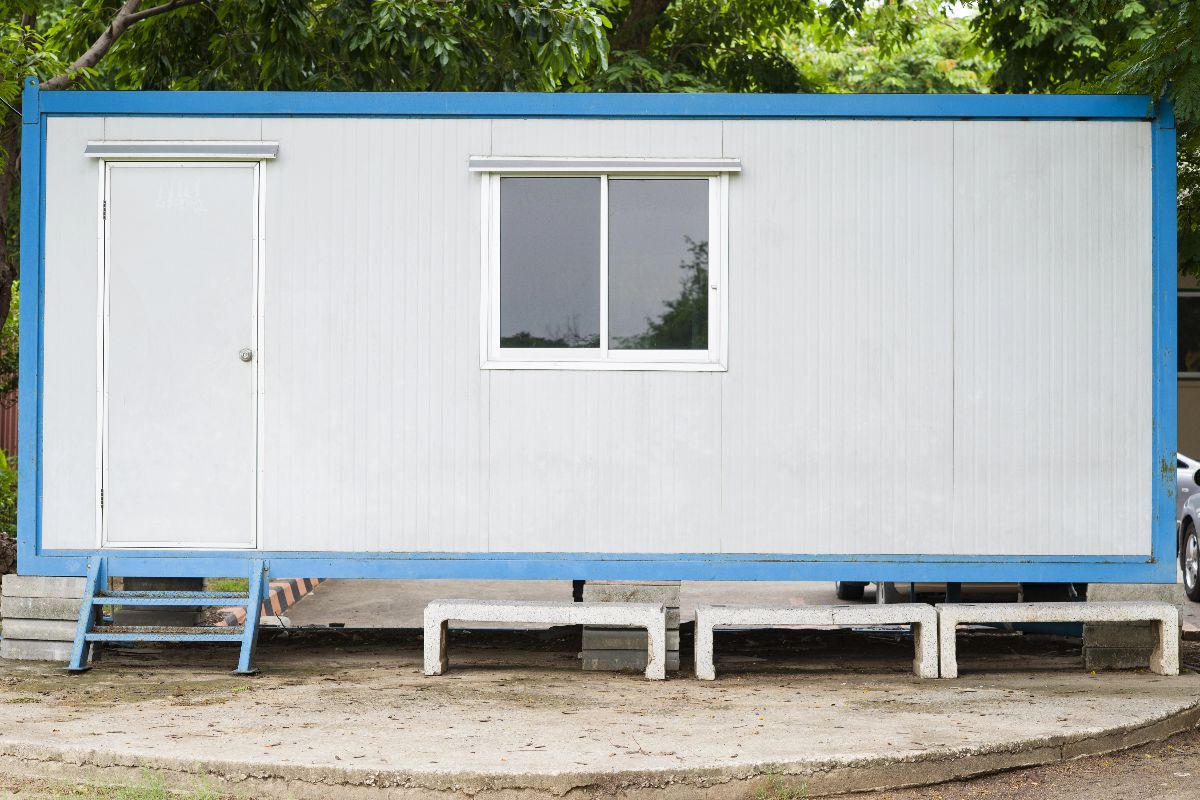
Prefab offices are often the practical choice for projects that require speed, flexibility, and controlled costs. They work well in environments where timelines are tight or where operations may shift across locations. With standardized production and faster setup, delays are minimized and workspaces become operational sooner.
Indigo Prefab House container van office are built using durable light steel systems such as Q235 or Q345, with customizable layouts, insulation, and integrated utilities. Available in 20ft and 40ft units, our offices are designed for portability, efficient deployment, and reliable performance across both temporary and long-term use cases.
Choose Traditional:
Traditional construction is better suited for projects that require permanent, highly customized structures with complex architectural designs. It allows greater flexibility in layout, materials, and long-term integration into existing infrastructure. This approach is often preferred for headquarters, large commercial buildings, or developments where mobility is not a priority.
However, it typically involves longer timelines, higher labor requirements, and more exposure to cost fluctuations during construction. While it provides a sense of permanence and full design control, it may not offer the same level of adaptability or speed, especially in projects where conditions, timelines, or space requirements are expected to change over time.
Key Takeaway
The comparison between prefab office vs traditional construction ultimately comes down to how your project balances time, cost, and flexibility. Each option has its place, but understanding these differences allows you to choose a setup that supports both your immediate operations and future plans without unnecessary limitations.
If you’re looking for a practical and efficient workspace solution, Indigo Prefab House offers durable, customizable prefab office containers designed for real project conditions. Contact us today to explore a solution that fits your timeline, budget, and operational needs.
Share on


Most Viewed Posts
How Long Does It Take to Install a Prefab Container Building?
Read More
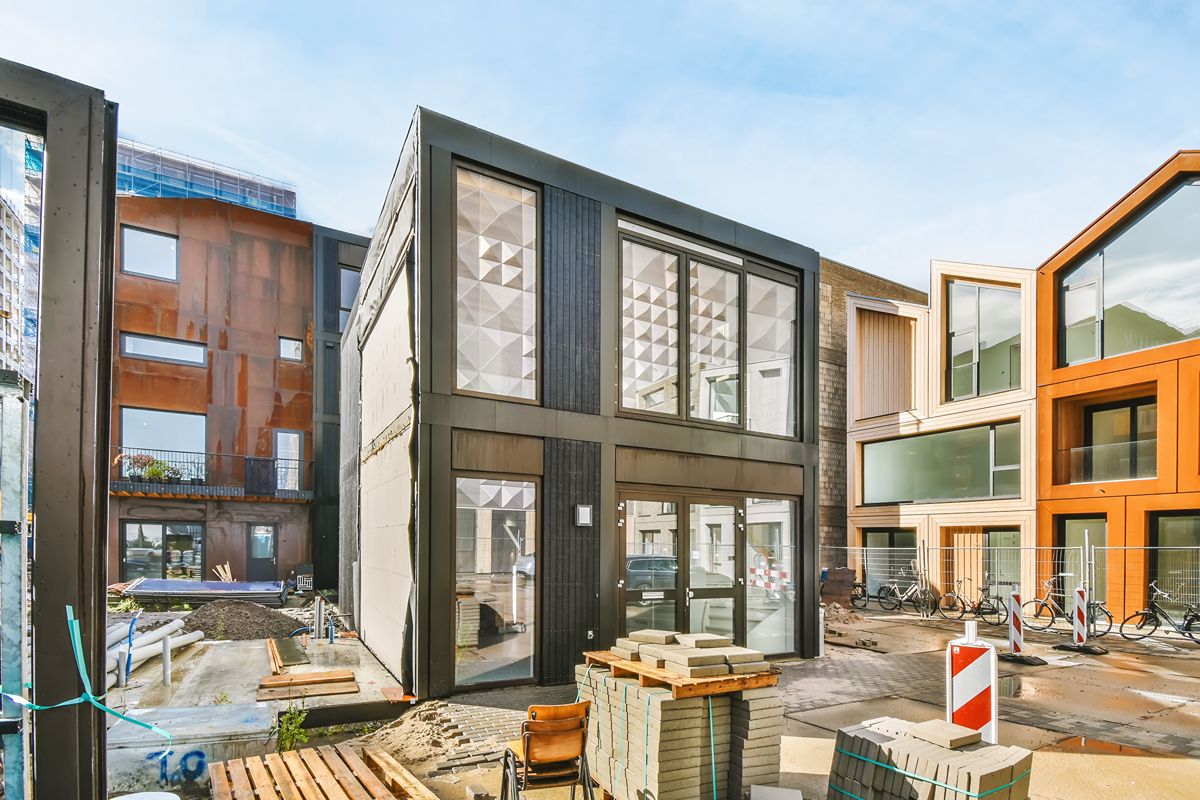
What Defines a High-Performance Modular Office for Manufacturing Sites
Read More
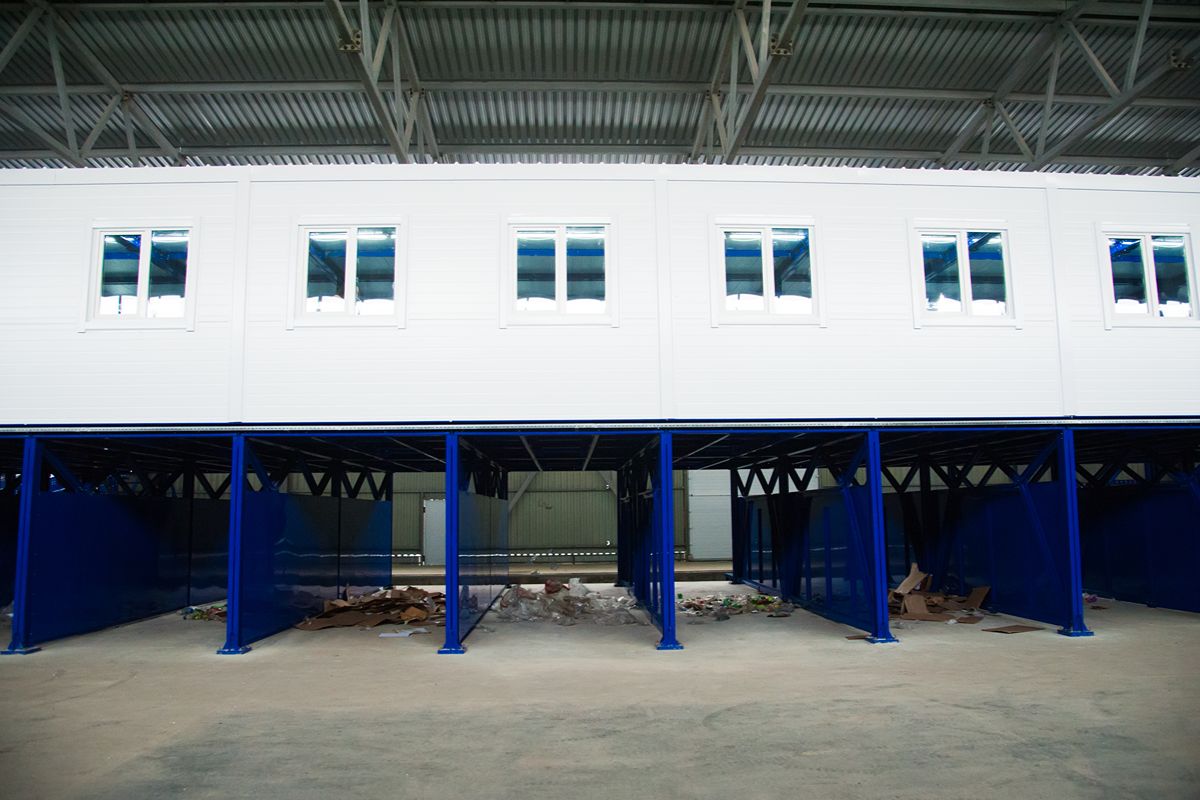
How Container Offices Improve Space Efficiency in Factories
Read More
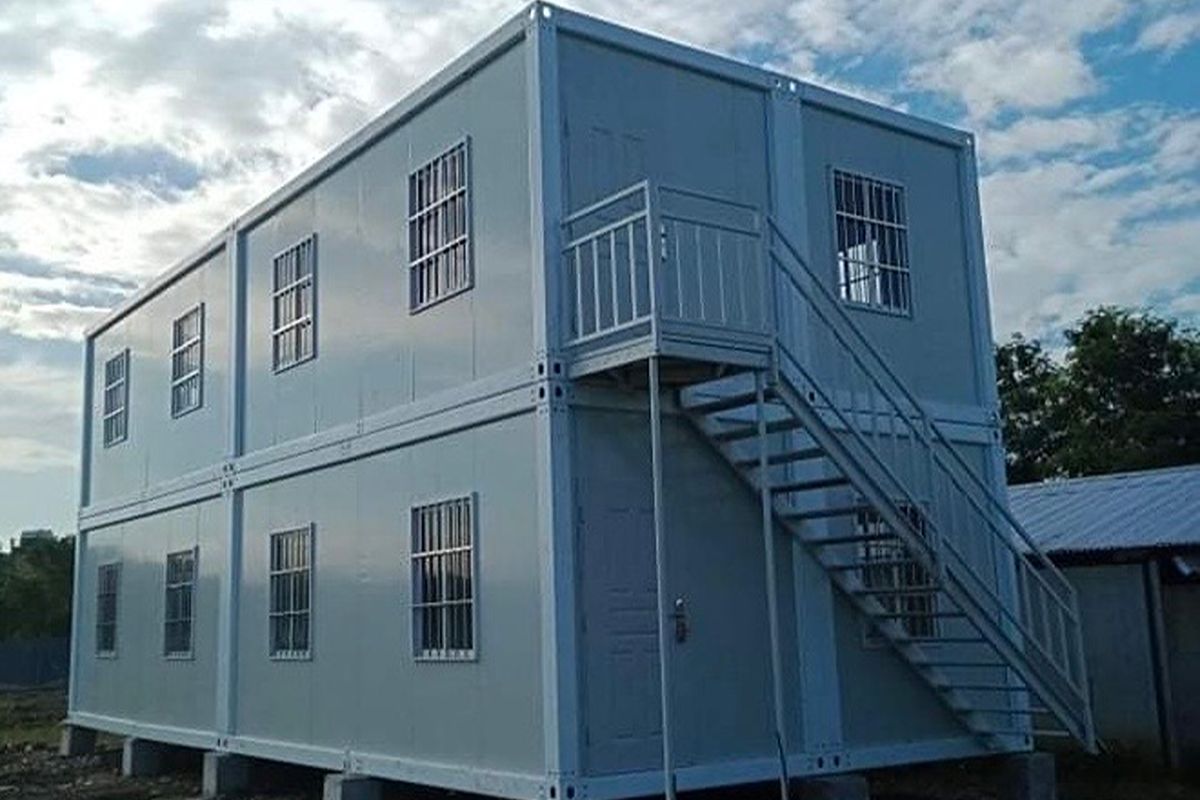
Why Flexibility Makes Modular Offices Ideal for Industrial Operations
Read More
What to Consider When Choosing a Prefab Office for Manufacturing Use
Read More