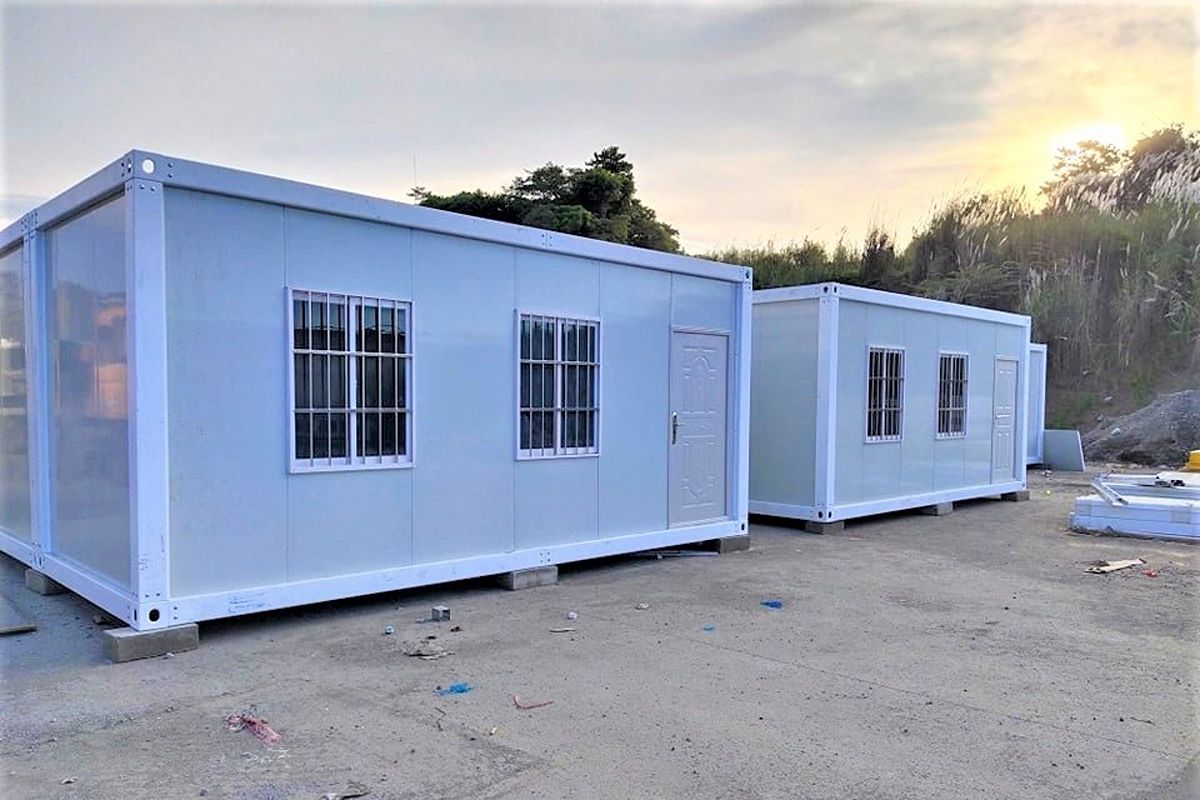
Why do prefab container buildings work for remote work facilities?
- Extreme portability
- Rapid deployment
- Independence from local resources
- Modular scalability
- Structural durability and climate control
- Minimal site disruption
Overview
- Remote projects demand fast, durable, and flexible facilities that reduce dependence on scarce local resources.
- Prefab container buildings deliver rapid deployment, easy transportability, and modular scalability—, cutting site disruption and timeline risks while offering climate-ready durability.
- Indigo Prefab House provides well-designed prefab solutions and end-to-end installation support, helping teams establish reliable site offices, accommodations, and operational hubs quickly and efficiently.
Setting up a functional facility in a remote project site is one of the more demanding logistical challenges businesses face in the Philippines. Whether the site is in a provincial area or an early-stage development zone, your team needs a reliable structure before work can begin efficiently.
Traditional construction often falls short in these environments, particularly when nearby suppliers are limited and established infrastructure has yet to reach the site.
Prefab container buildings address these conditions directly, offering a purpose-built alternative. In this article, we’ll take a closer look at why prefab container buildings work better for a remote worksite facility.
Extreme Portability
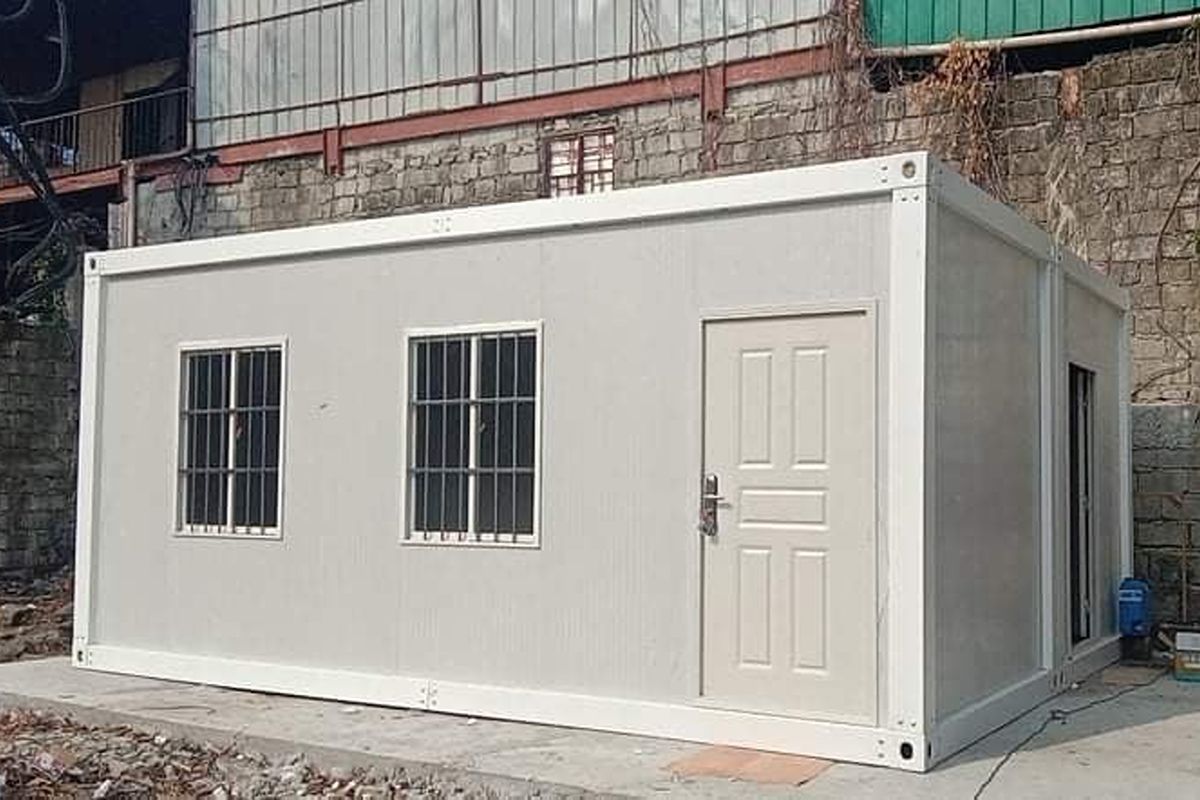
Remote projects need structures that can reach locations where standard buildings are difficult to establish. Transportation is a primary consideration, especially when sites are far from urban centers, commercial supply chains, or major road networks.
Prefab container buildings are built around standardized dimensions, allowing them to move through existing transportation networks. Depending on the location and terrain, they can be transported by truck, trailer, or crane-assisted delivery, giving you more control over how your facility reaches the site.
Rather than becoming unused assets once work is complete, these units can be relocated and repurposed for your next project site. This reduces capital waste and gives you greater return on your facility investment.
Rapid Deployment
Every day a facility is not operational on a remote site carries a cost — in workforce downtime, delayed coordination, and extended project timelines. The longer it takes to establish a working base, the more pressure it places on your operations.
Unlike conventional buildings that require full on-site construction, prefab structures arrive largely prepared. Walls, electrical systems, plumbing connections, and interior finishes are integrated during production, reducing the amount of work that needs to happen on-site.
Indigo Prefab House supports faster facility setup through prefab solutions built for efficient installation. Our site offices, worker accommodations, and operational facilities are designed to reduce lead times so your team can begin using the space sooner.
Independence from Local Resources
One of the more significant cost risks in remote construction is resource dependency. When materials, equipment, and skilled workers are not available nearby, sourcing them adds expense, delays, and logistical complexity.
Prefab container buildings reduce that dependency because the majority of preparation happens in a controlled production facility. You bring ready-to-install structures directly to the site instead of relying heavily on local construction capacity.
These units can also incorporate independent systems — including power solutions and water management features — that allow your facility to function without relying on local utility infrastructure. This is especially useful for sites where grid access, drainage, or water supply is still limited.
Modular Scalability
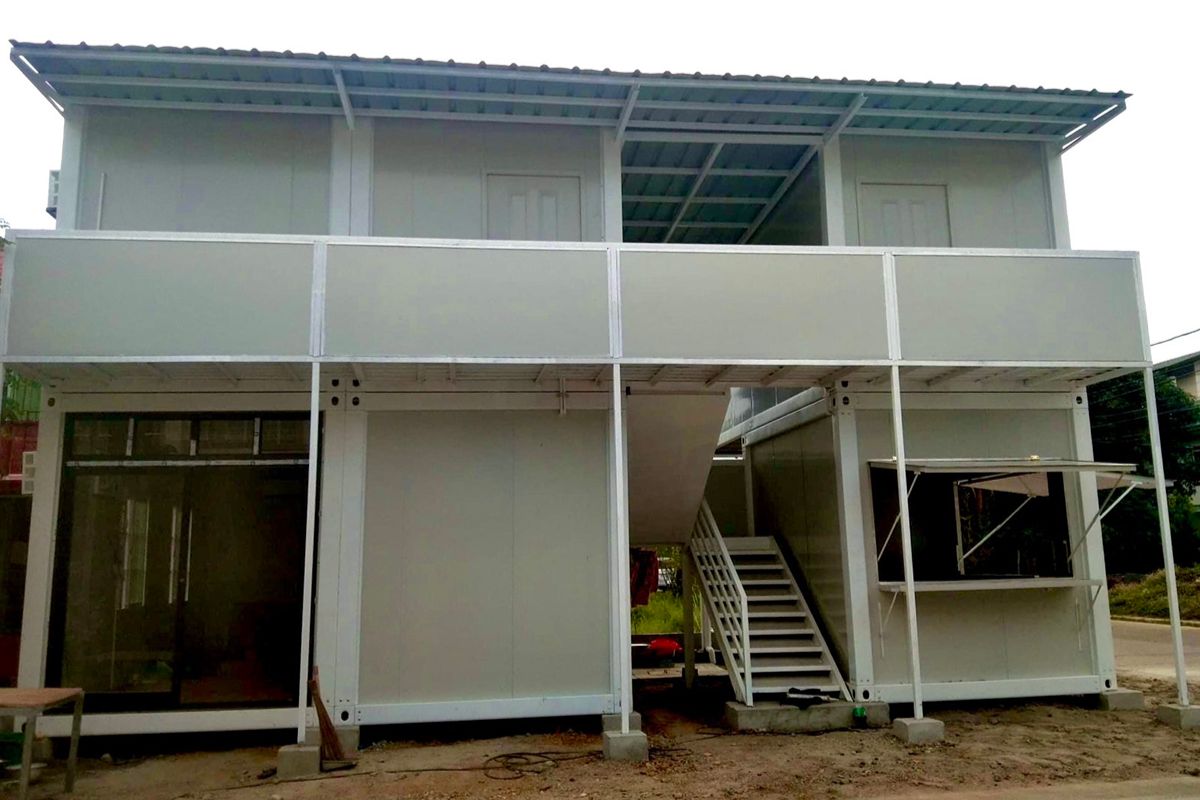
Project demands change as operations progress. Workforce numbers increase during peak phases, new functions require dedicated spaces, and a facility that cannot respond to those shifts forces you to either compromise operations or invest in additional construction.
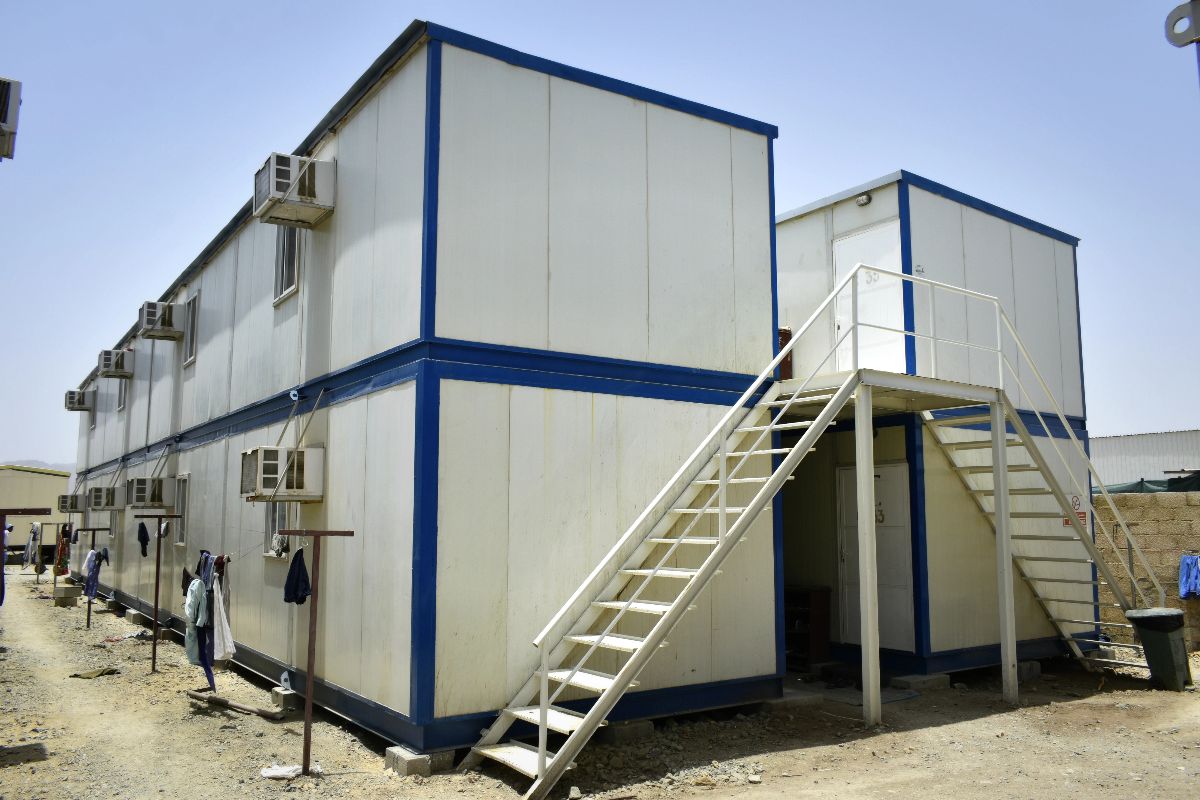
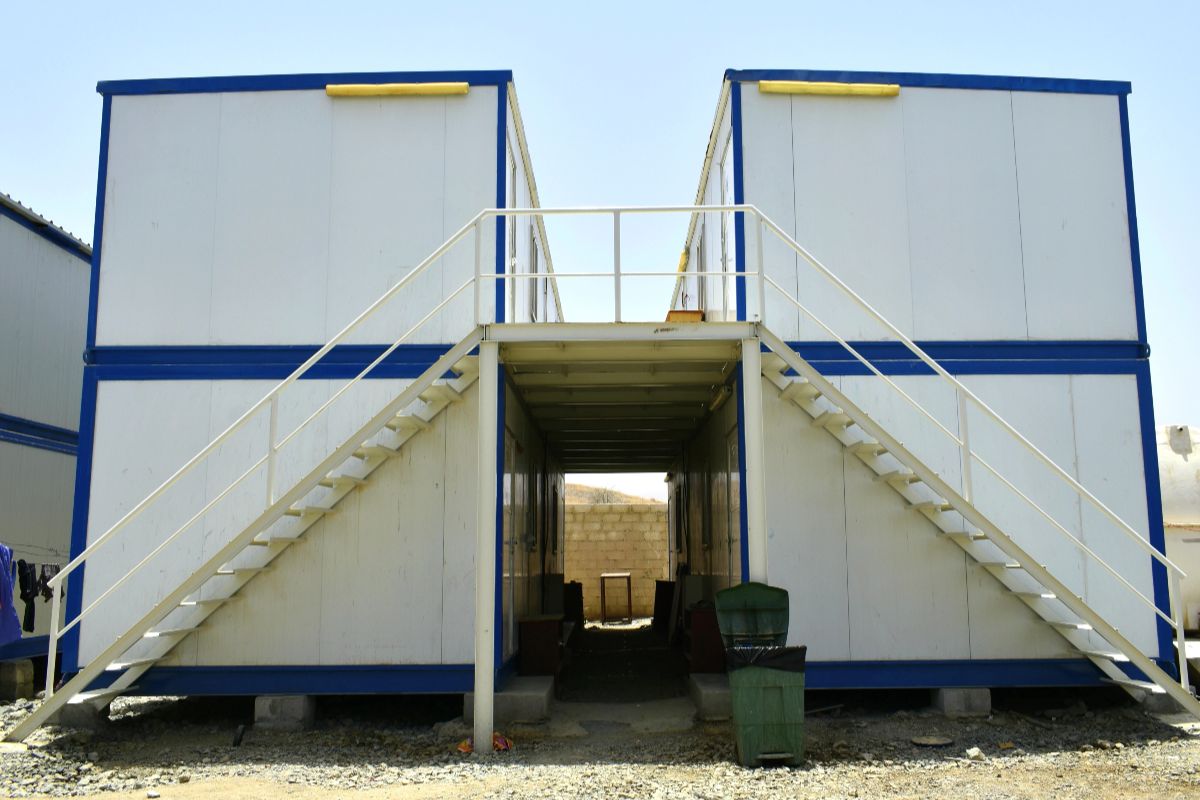
The modular design of prefab container buildings addresses this directly. Multiple units can be connected to create larger configurations — additional offices, meeting rooms, sleeping quarters, dining areas, storage spaces, or hybrid layouts.
Indigo Prefab House offers modular solutions including container van offices, worker barracks, temporary facilities, and prefab warehouses. Our structures are built with customizable layouts and design features, making it easier for you to scale according to your operational requirements.
Structural Durability and Climate Control
Prefab container buildings are constructed on steel frameworks engineered to withstand the stresses of transportation and demanding site conditions. That structural foundation translates directly to longer usability, especially for facilities exposed to heavy movement, repeated relocation, and extended project duration.
Beyond the frame, modifications such as insulated panels, ventilation systems, and climate control solutions regulate indoor temperatures and reduce heat transfer. For teams working through the heat and humidity common in many Philippine project sites, this makes a meaningful difference in day-to-day working conditions.
Maintaining comfortable indoor conditions is not just a matter of convenience. It directly affects how consistently your workforce can perform, particularly during extended deployments where fatigue and exposure can impact productivity.
Minimal Site Disruption
Traditional construction on remote sites involves excavation, heavy equipment, and significant material activity before a usable building exists. For active project sites, that level of disruption adds complexity to logistics, safety planning, and daily operations.
Prefab container buildings require considerably less on-site preparation. Installation consists of positioning the units and establishing the necessary utility connections, which keeps the construction footprint smaller and more controlled.
For project managers working to tight schedules, this reduction in site activity has a direct bearing on timeline control. Less preparation work means fewer variables to manage during installation, and fewer disruptions to the larger project environment.
Key Takeaway
Businesses that understand why prefab container buildings work for remote worksite facilities are better positioned to plan smarter, deploy faster, and maintain reliable operations regardless of where the project is located. Their portability, speed, independence from local resources, scalability, durability, and reduced site impact make them practical solutions for demanding environments.
Indigo Prefab House provides customizable prefab container solutions designed for businesses that require efficient and dependable facilities in different environments. Whether you need remote site offices, accommodations, storage areas, or modular operational spaces, reach out to us today to discuss a prefab solution that fits your project needs.
Share on


Most Viewed Posts
The Use of Prefab Containers in Educational and Training Facilities
Read More
Designing Functional Workspaces Using Modular Container Systems
Read More
How Prefab Containers Are Used for Logistics and Distribution Centers
Read More
Prefab Office vs Traditional Construction: Cost Comparison
Read More
When Does Your Project Need a Modular Office?
Read More