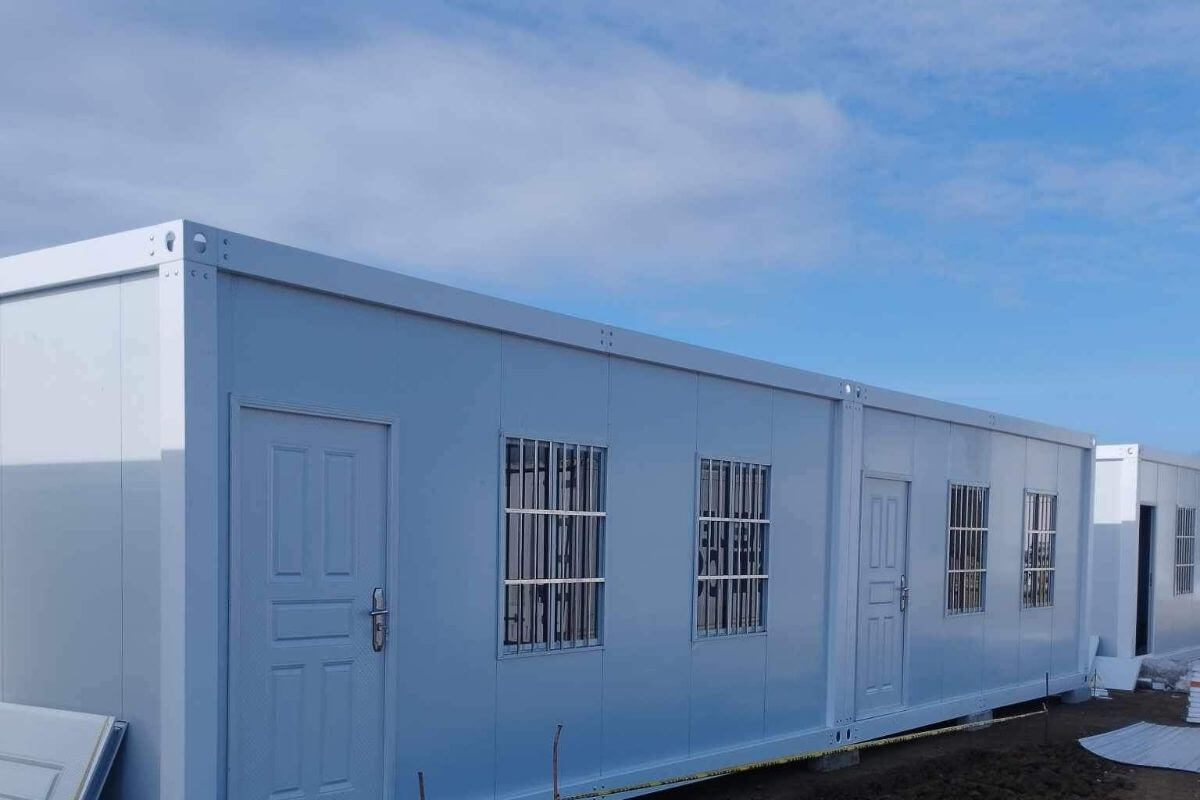
Overview
- Container buildings combine rapid deployment, portability, and minimal site preparation with long-term durability, scalability, and structural strength.
- Their modular design allows seamless transition from temporary facilities to permanent infrastructure, supporting evolving operational needs without rebuilding from scratch.
- At Indigo Prefab House, this flexibility is possible with our future-ready prefab solutions.
Container buildings offer a level of flexibility that traditional construction cannot closely match. Modular by design, they can be modified to adapt to changing needs without compromising on durability or functionality.
This unique feature is why container buildings work for temporary and permanent use. These structures can be rapidly deployed for short-term projects, emergency housing, or pop-up offices, and later reconfigured or expanded to serve long-term purposes.
For organizations balancing speed with long-term planning, container buildings become an attractive solution for projects requiring adaptability and longevity. We’ll learn how this works in this article. Read on.
Key Drivers for Temporary Use
Temporary projects require solutions that can be deployed immediately and moved as project sites evolve. This speed is crucial for seasonal projects and emergency responses, where rapid setup directly determines whether deadlines are met.
Rapid Deployment and Setup
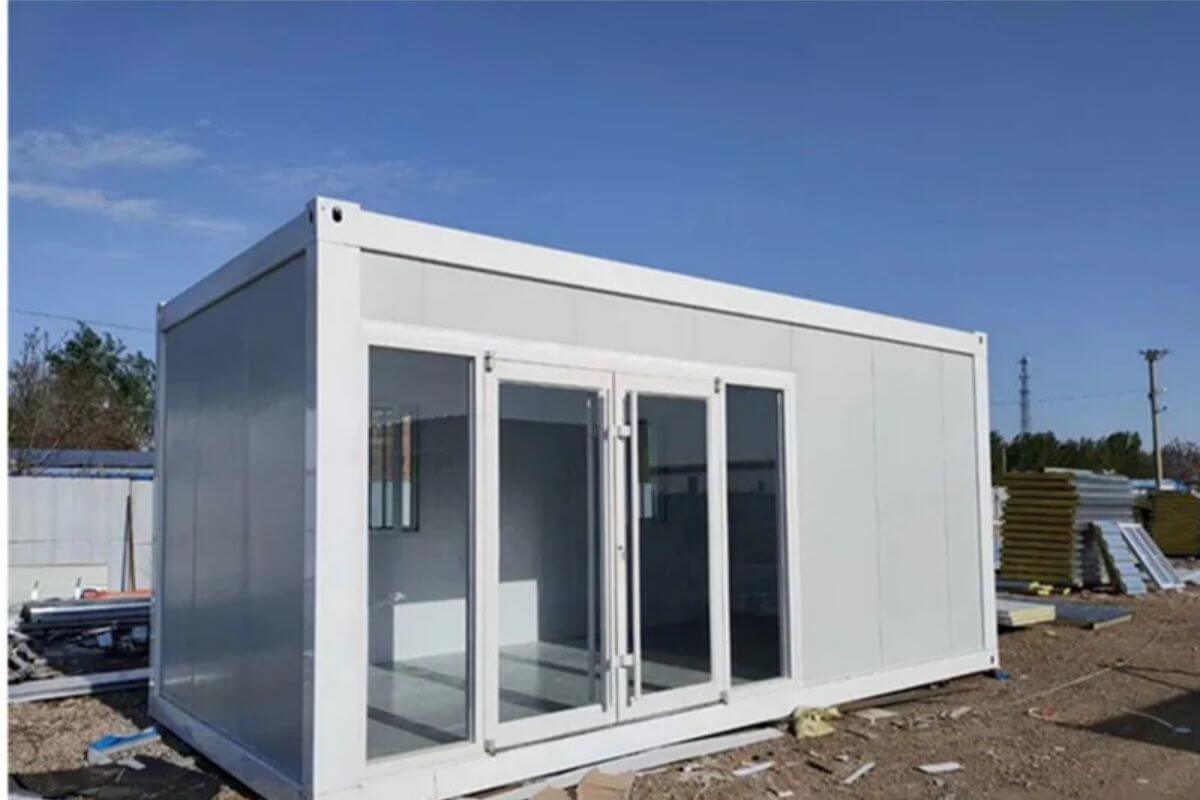
Time-sensitive projects demand solutions that can be operational almost immediately. Container buildings excel in rapid deployment, as units are prefabricated off-site and delivered ready for installation.
This minimizes downtime, accelerates project timelines, and allows teams to begin work without the delays inherent in traditional construction. This speed provides a fast-response solution for seasonal or emergency needs.
Portability
Mobility is the defining feature of temporary container solutions. Units can be transported easily via truck or crane, allowing workspaces to follow project demands from one location to another.
This makes them well suited for disaster response facilities, field offices, event infrastructure, or any situation where the site changes before the need does.
Low Site Preparation
Container buildings require minimal groundwork, eliminating the need for extensive foundations, excavation, or grading. They can be placed on flat surfaces, modular platforms (prefabricated base structures that distribute load without permanent anchoring), or temporary pads.
This simplicity reduces setup costs and accelerates installation, particularly in remote or urgent sites. For government bodies and institutions, this also means fewer permitting complications — temporary placements often fall outside the zoning triggers that apply to permanent construction, reducing administrative lead time before a project can begin.
Key Drivers for Permanent Use
For permanent installations, container buildings offer unmatched durability and long-term value, with modular scalability that allows organizations to phase expansions in alignment with budget or staffing needs.
Exceptional Durability and Strength
Constructed with reinforced steel products and other high-quality materials, permanent container structures resist harsh weather, structural stress, and daily wear, ensuring long-term reliability.
Durability also extends to safety and compliance: steel containers meet stringent building codes for permanent facilities, and their modular construction allows for easy integration of insulation, fireproofing, and secure access points.
Long Lifespan
Beyond strength, container buildings offer long-term value through their extended lifespan. With routine maintenance and proper installation, units remain functional and aesthetically reliable for decades.
This longevity also carries an environmental advantage — durable prefabricated structures reduce the cycle of resource-intensive rebuilds that conventional construction typically requires over the same period.
Modular Scalability
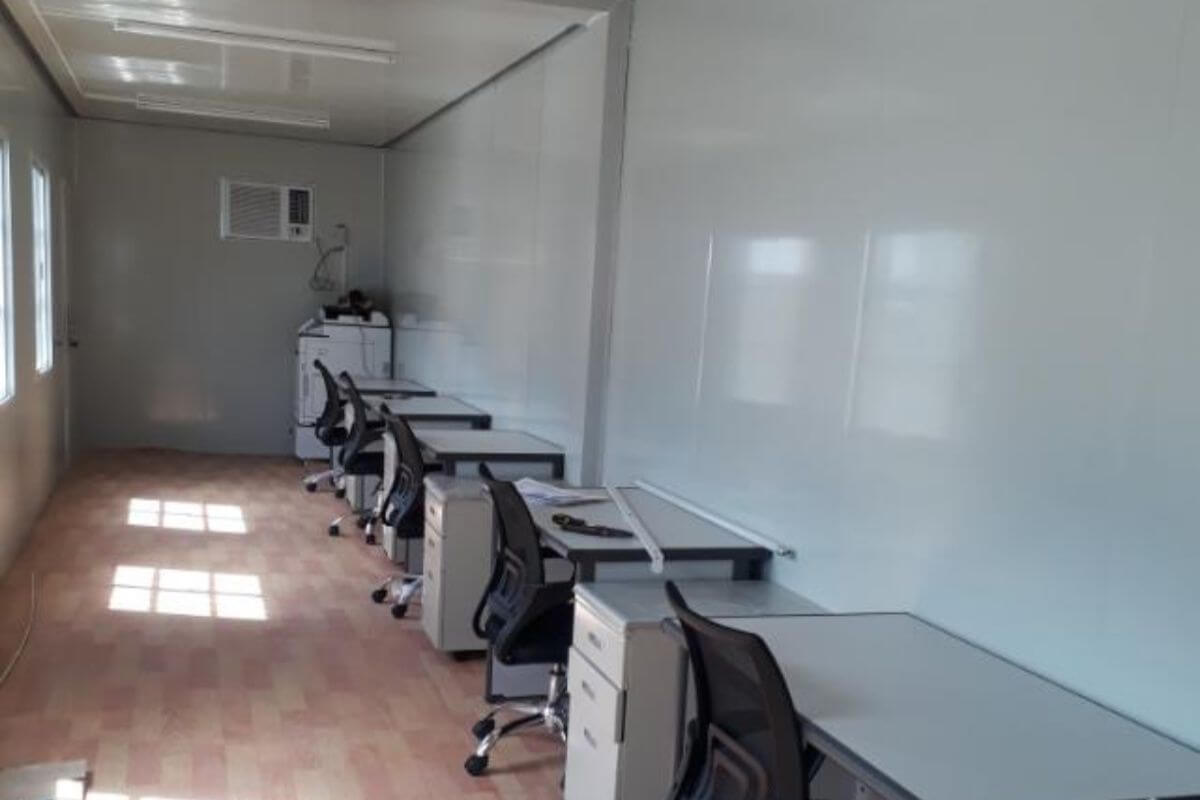
Permanent container facilities benefit from modular scalability, which allows structures to grow or reconfigure as needs evolve. Units can be stacked vertically, joined horizontally, or customized with additional rooms, utility systems, and secure access configurations.
This means a facility built for one function today — say, a set of staff offices — can be reconfigured for a different occupancy entirely as operational needs shift, without tearing down and starting over.
Summary of Container Buildings’ Adaptability
Container buildings work for both temporary and permanent use because they adapt easily to different project timelines and purposes.
This table compares key features for short-term, flexible setups versus(long-haul, stable structures, covering foundation needs, expected lifespan, mobility, and modification options.
| Feature | Temporary Use | Permanent Use |
|---|---|---|
| Foundation | Minimal (e.g., gravel pads or blocks—no deep digging) | Robust (e.g., concrete slabs or piers for stability) |
| Duration | Short-term (months to 2–3 years) | Long-term (10+ years with proper setup) |
| Mobility | High (easy to load on trucks and relocate) | Low (fixed in place, harder to move) |
| Modification | Basic (bolt-on additions, reversible changes) | Extensive (welding, insulation, full custom builds) |
How Indigo’s Prefab Container Support Serves Both Permanent Structures and Temporary Setups
Indigo Prefab House offers container units that are engineered to meet the full spectrum of operational demands. For temporary projects, our units are ready for rapid deployment, fully equipped, and easily relocated — ensuring minimal disruption to workflows and timelines.
For permanent applications, the same units provide durable, stackable, and customizable infrastructure capable of supporting offices, dormitories, classrooms, and commercial spaces for decades.
We ensure that each container structure delivers lasting value — whether the requirement is short-term mobility or long-term investment, our solutions provide organizations with reliable, efficient, and adaptable buildings that meet both immediate needs and future growth objectives.
Key Takeaway
Container buildings prove their value not by choosing between temporary or permanent use, but by excelling at both. This dual capability makes them a strategic infrastructure solution for organizations balancing urgency, durability, and future expansion. If your project has evolving requirements or a timeline that’s still taking shape, a container-based approach is worth exploring early — when the most options are still open.
At Indigo Prefab House, we deliver engineered prefab systems built for strength, scalability, and sustained functionality. Connect with us to develop container infrastructure that grows with your needs.
Share on


Most Viewed Posts
How Long Does It Take to Install a Prefab Container Building?
Read More
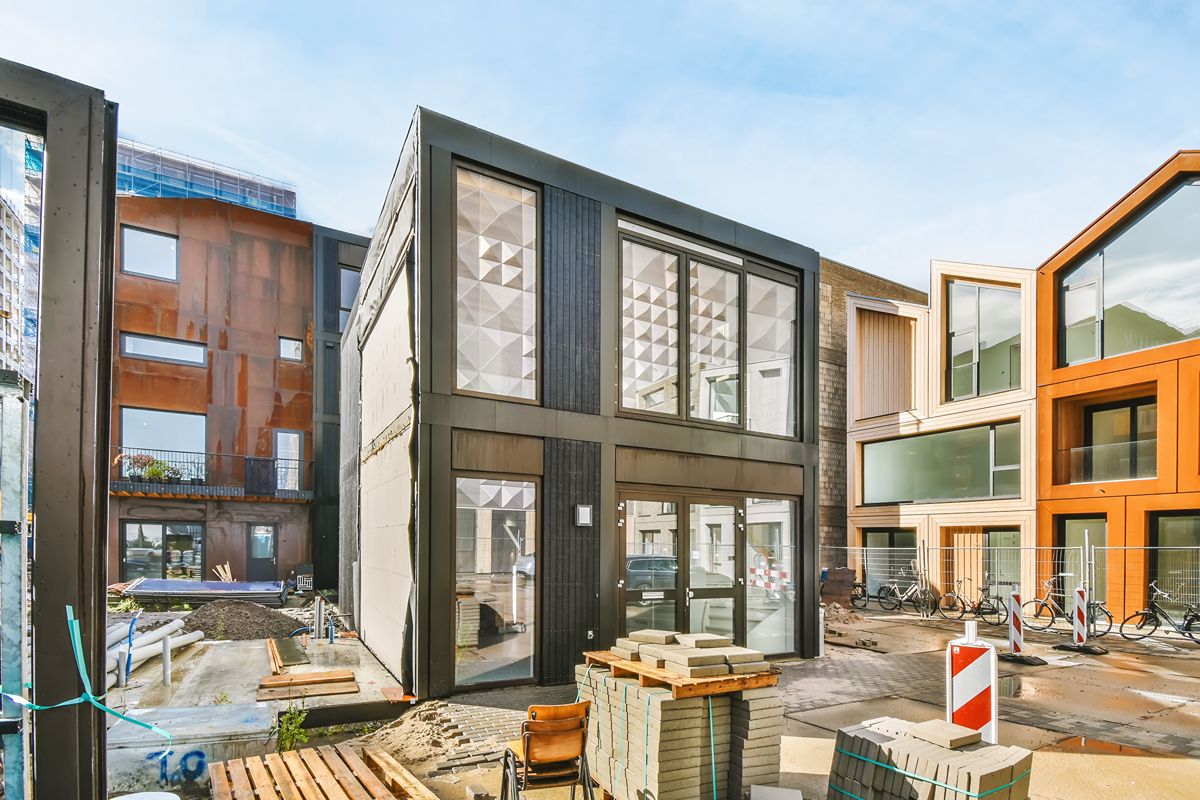
What Defines a High-Performance Modular Office for Manufacturing Sites
Read More
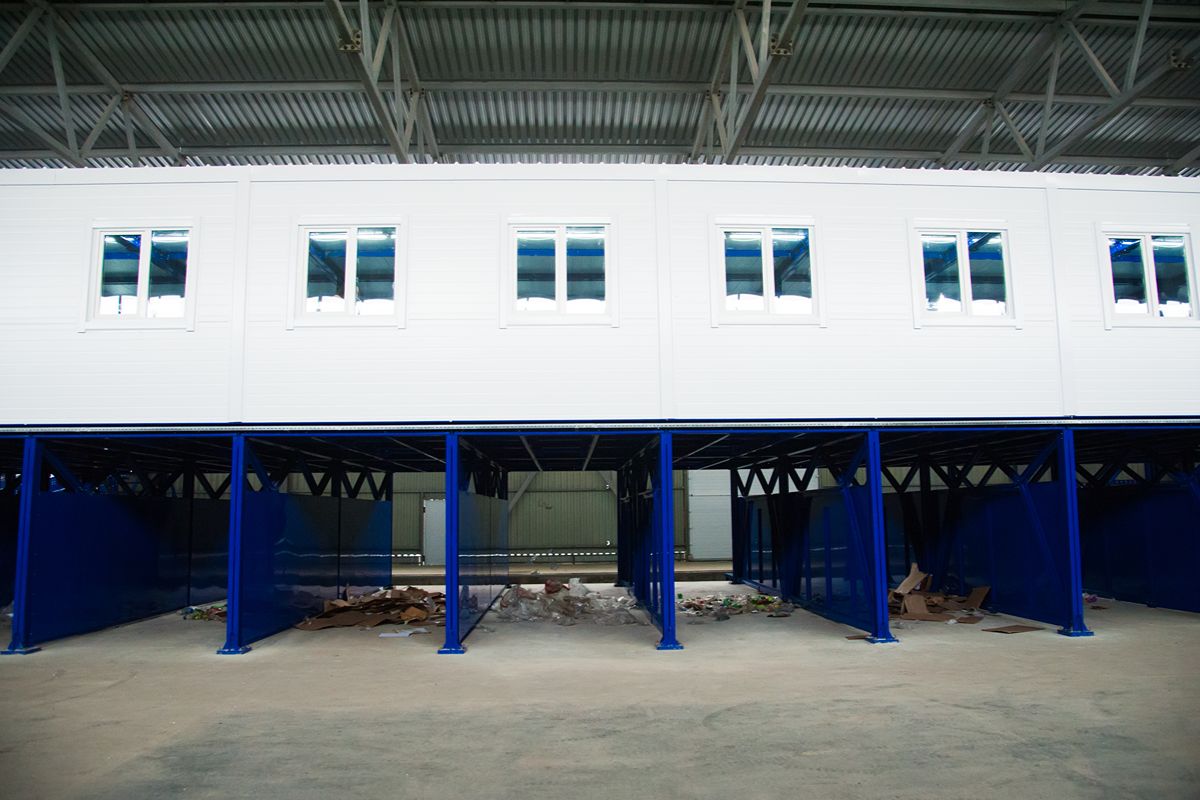
How Container Offices Improve Space Efficiency in Factories
Read More
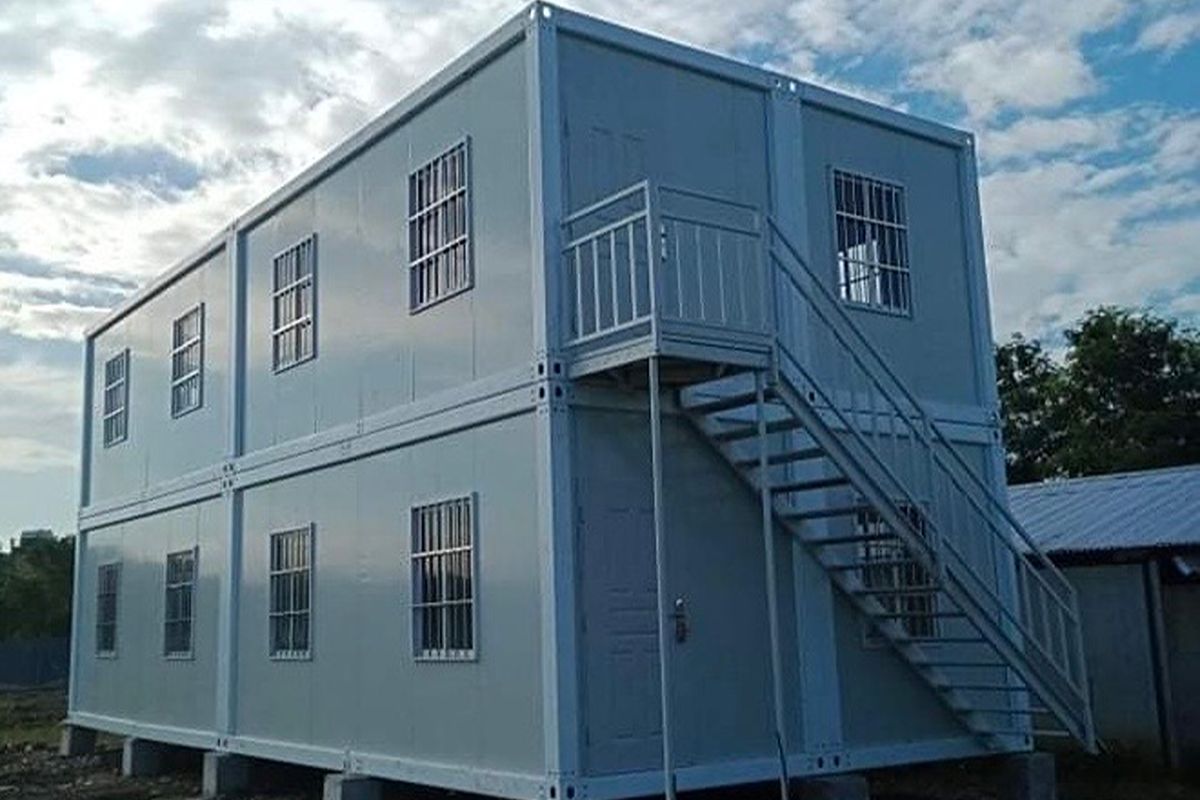
Why Flexibility Makes Modular Offices Ideal for Industrial Operations
Read More
What to Consider When Choosing a Prefab Office for Manufacturing Use
Read More