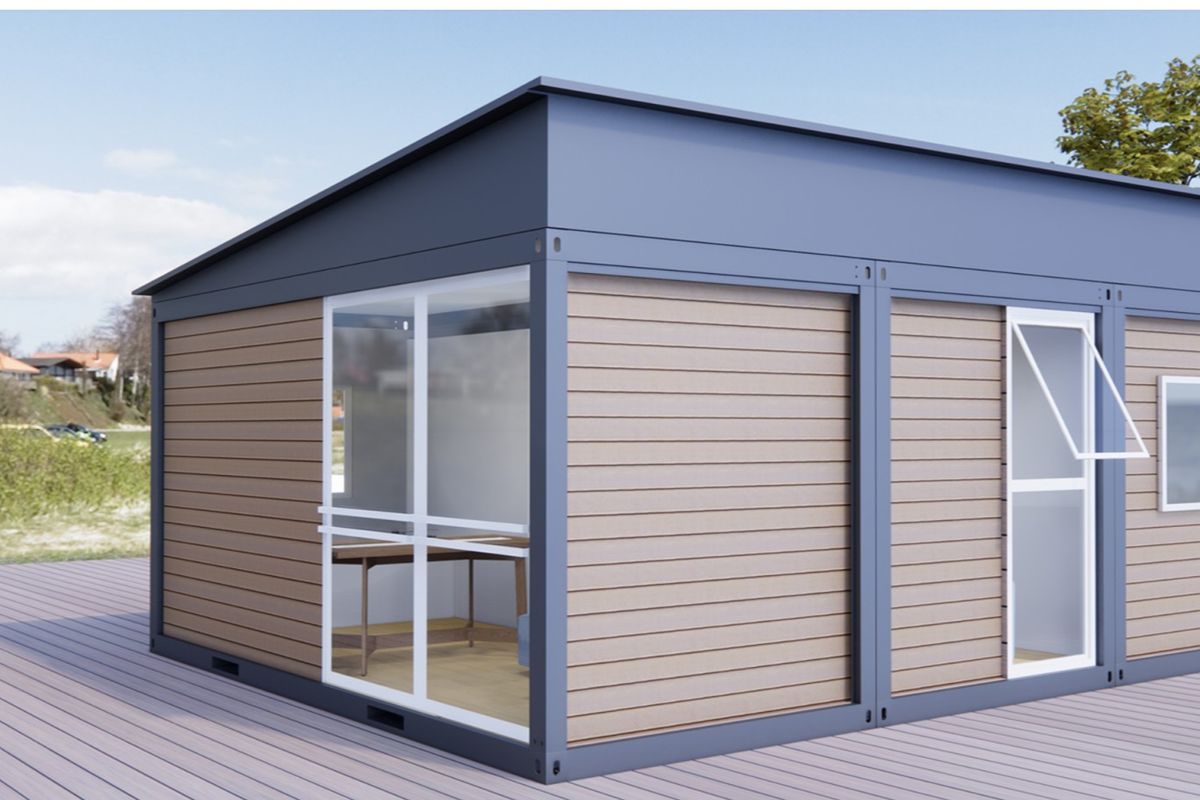
Overview
- Every business has unique operational demands, making adaptable facilities more valuable than ever.
- From customized layouts to specialized features, prefab containers provide practical solutions that support various industries while improving efficiency and long-term functionality.
- Indigo Prefab House delivers high-quality modular container solutions designed to help businesses build spaces that align with their specific operational requirements.
Business spaces perform best when they’re designed around the work taking place inside them. A warehouse should support inventory movement; a retail store must promote customer engagement; and an office needs to keep project teams organized. Using parallel design for every operation may result in underutilized areas, workflow bottlenecks, or costly renovations.
That’s why flexibility has become a crucial factor when planning commercial facilities. Many organizations are exploring building solutions like prefab structures that can be configured from the outset to fit their operational requirements.
In this article, we discuss how prefab containers can be customized for different business needs, allowing for personalizing layouts, utilities, finishes, and specialized features.
Common Customization Features
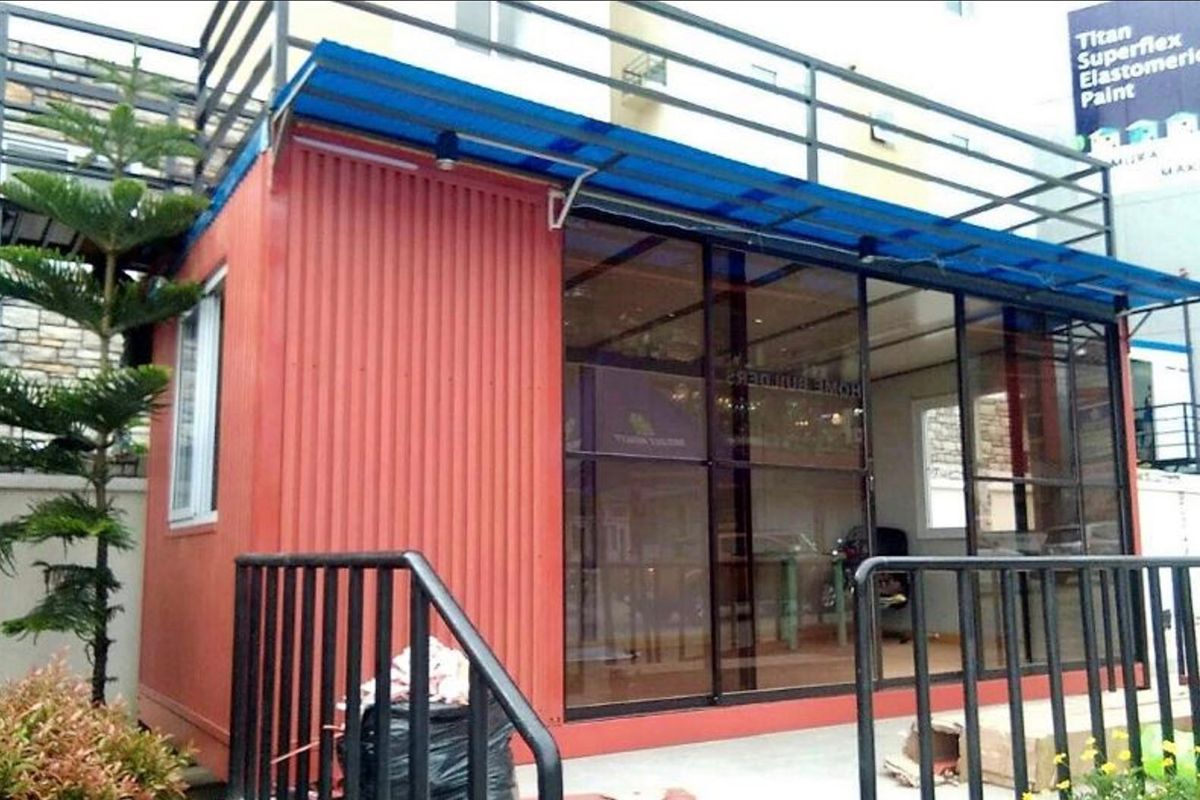
Prefab buildings simply serve as the foundation. Nearly their every aspect—from layout to interior systems—can be adjusted to support how a company functions.
Climate Control and Insulation
A comfortable indoor environment is vital for both employees and customers. Without proper temperature regulation, excessive heat, humidity, or cold conditions can impact productivity, equipment functionality, and the overall experience inside the facility.
To address this, prefab containers can be installed with insulated wall panels, roof insulation, vapor barriers, and HVAC systems that maintain a constant indoor climate. These upgrades, then, enhance energy efficiency by reducing the amount of heating or cooling required throughout the day.
Doors and Windows
Entryways and openings’ placements impact how people move through the space, how much natural light enters the interior, and how air circulates throughout the facility. Therein, ventures can incorporate sliding doors for equipment access, glass storefront entry points to improve customer visibility, or roll-up doors for warehouses. Thoughtful positioning ensures the building supports project demands and user experience.
Electrical and Plumbing
Commercial establishments hugely depend on utilities, but systems can vary based on the operations. A workplace calls for sturdy electrical connections for computers and communication equipment, while a restaurant or medical center requires more extensive plumbing and utility installations.
Rather than treating these as afterthoughts, electrical wiring, lighting, power outlets, plumbing lines, drainage systems, and network provisions can all be integrated during fabrication. Planning all these in advance enables the assembled structure to function immediately.
Interior and Exterior Finishes
The atmosphere of a coffee shop. The appearance of a commercial space. These influence how customers perceive a business and how employees experience the workplace.
That’s why with customizable prefab buildings, organizations can choose wall finishes, flooring materials, ceiling systems, cabinetry, and lighting that match their intended function. Exterior finishes can also be personalized through paint solutions, cladding, architectural panels, signage provisions, and branding elements.
When the environment is thoughtfully designed, brands can further strengthen their identity and create a cozier setting for day-to-day workflows.
Layout Modifications
A successful workspace is built around how people perform their tasks, not the other way around. This is why layout planning remains one of the most significant aspects of modular customization.
Internal partitions can create private offices, meeting rooms, reception areas, production zones, or storage sections. Multiple modules may also be connected horizontally or vertically to cater to expanding teams, allowing brands to grow without abandoning their current investment.
Popular Business Applications
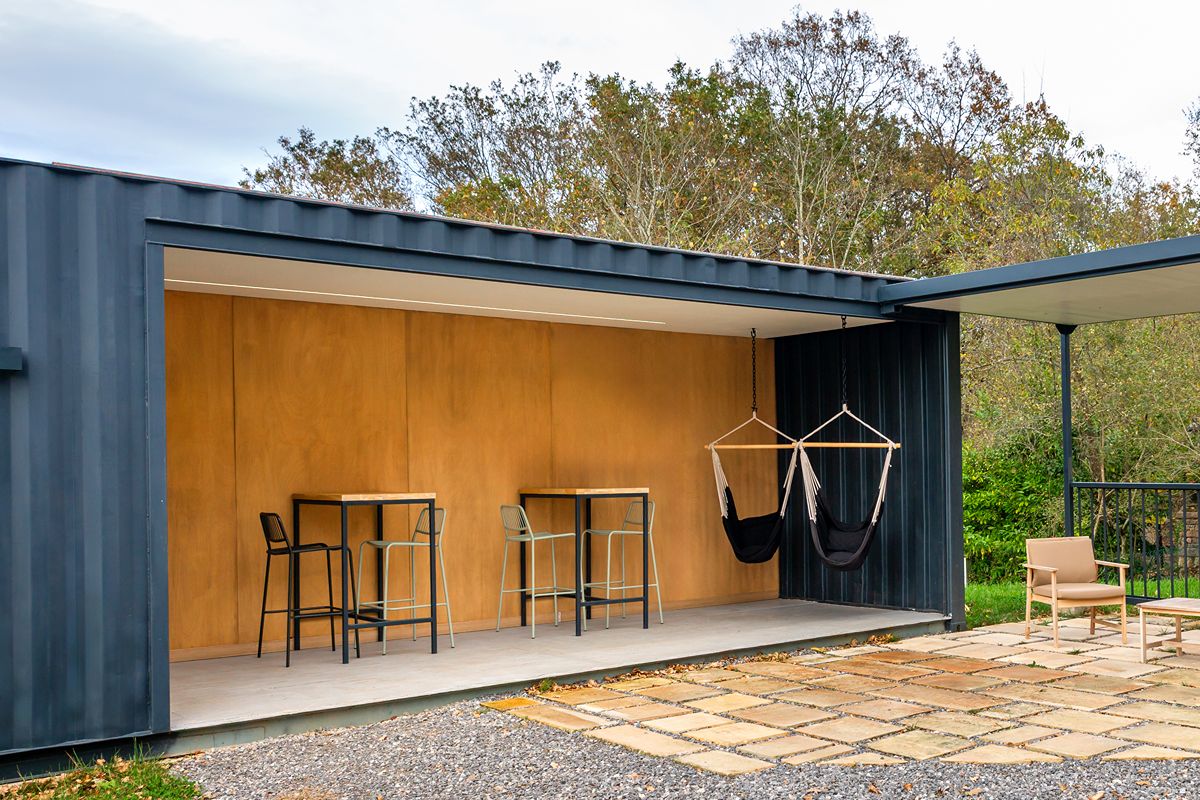
Because modular structures can be configured in a plethora of ways, they have become practical solutions across different sectors. Their flexibility allows organizations to build spaces designed around their operations.
Food and Beverage
Restaurants, cafés, kiosks, and cloud kitchens all have unique demands that extend beyond preparing food. Prefab containers can be layouted with commercial kitchen designs, serving counters, dining spaces, plumbing systems, food-grade finishes, and storage areas. Businesses then gain a faster way to systemize operations without lengthy construction schedules.
Retails and Pop-Ups
Flexibility is important for retail businesses that respond to seasonal demand, promotional campaigns, or expanding markets. Through customized storefronts, display windows, shelving solutions, storage compartments, and branded exterior finishes, modular containers offer valuable spaces while allowing them to reach customers in different locations.
Construction and Corporate Offices
Project teams need workspaces that keep managers, engineers, and staff close to ongoing operations. Instead of building temporary offices from scratch for every project, businesses can deploy modular facilities equipped with meeting rooms, workstations, communication systems, document storage, and employee amenities. These offices can later be relocated to future project sites, ensuring you still maximize the value of your asset long after a single project is done.
Healthcare and Wellness
Prefab buildings can be configured into clinics, diagnostic rooms, consultation offices, vaccination centers,or therapy rooms by incorporating proper partitions, plumbing systems, electrical provisions, ventilation, and hygienic interior finishes. Their quicker deployment is significant for organizations that need to expand healthcare services, satellite clinics, or bring medical care closer to remote areas.
Storage Solutions
As businesses develop, storage requirements also become more intricate. Through durable and quality prefab establishments, warehouses, archive spaces, or secure stockrooms can be made. These may include security features, loading access, or compartmentalized layouts that help businesses manage products and equipment more adequately.
Get Top-Quality Prefab Containers from Indigo
Every business operates differently, which is why its facilities should be designed with those distinct requirements in mind. Indigo Prefab House offers customizable prefab container solutions that go beyond standard configurations, helping ventures create spaces that support their operations today and in the future.
From warehouses and offices to barracks and foldable containers, we provide modular structures built with quality materials, functional layouts, and efficient installation processes. With a strong focus on durability, flexibility, and practical design, Indigo supports organizations that develop purpose-built facilities that balance attainability and long-term value.
To ensure our offerings are built with quality and longevity, here are some of the materials we use:
- Polyurethane (PU) Roof and Wall Panels
- Ventilation Ball
- PVC Window
- Gutter and Down Pipe
- Roll-up Door
- Columns, Beams, and Purlin
Key Takeaway
Knowing how prefab containers can be customized for different business needs allows you to create spaces that support operations more efficiently.
At Indigo Prefab House, we deliver high-quality, customizable prefab container solutions tailored to different industry needs. If you are looking for reliable structures without investing in long-term construction projects, reach out to us today, and let us help you find the right modular system for your facility.
Share on


Most Viewed Posts

How Long Does It Take to Install a Prefab Container Building?
Read More
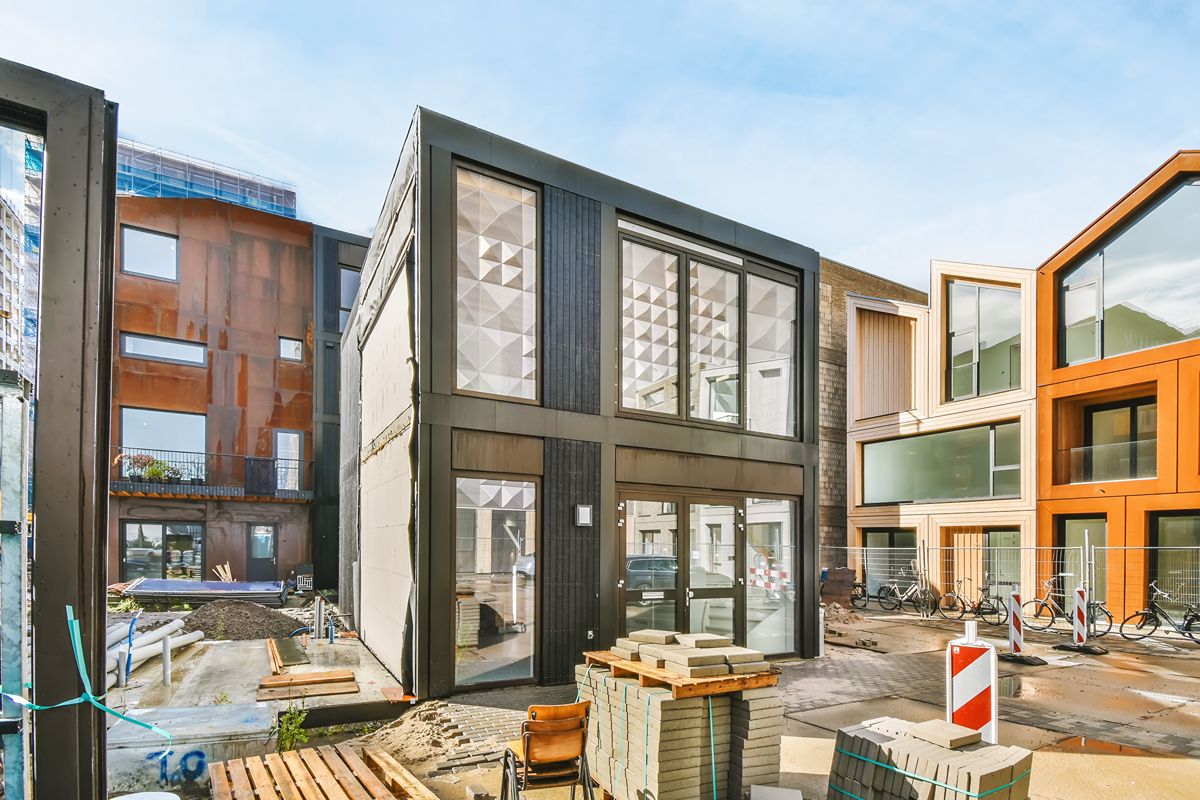
What Defines a High-Performance Modular Office for Manufacturing Sites
Read More
How Container Offices Improve Space Efficiency in Factories
Read More
Why Flexibility Makes Modular Offices Ideal for Industrial Operations
Read More

What to Consider When Choosing a Prefab Office for Manufacturing Use
Read More