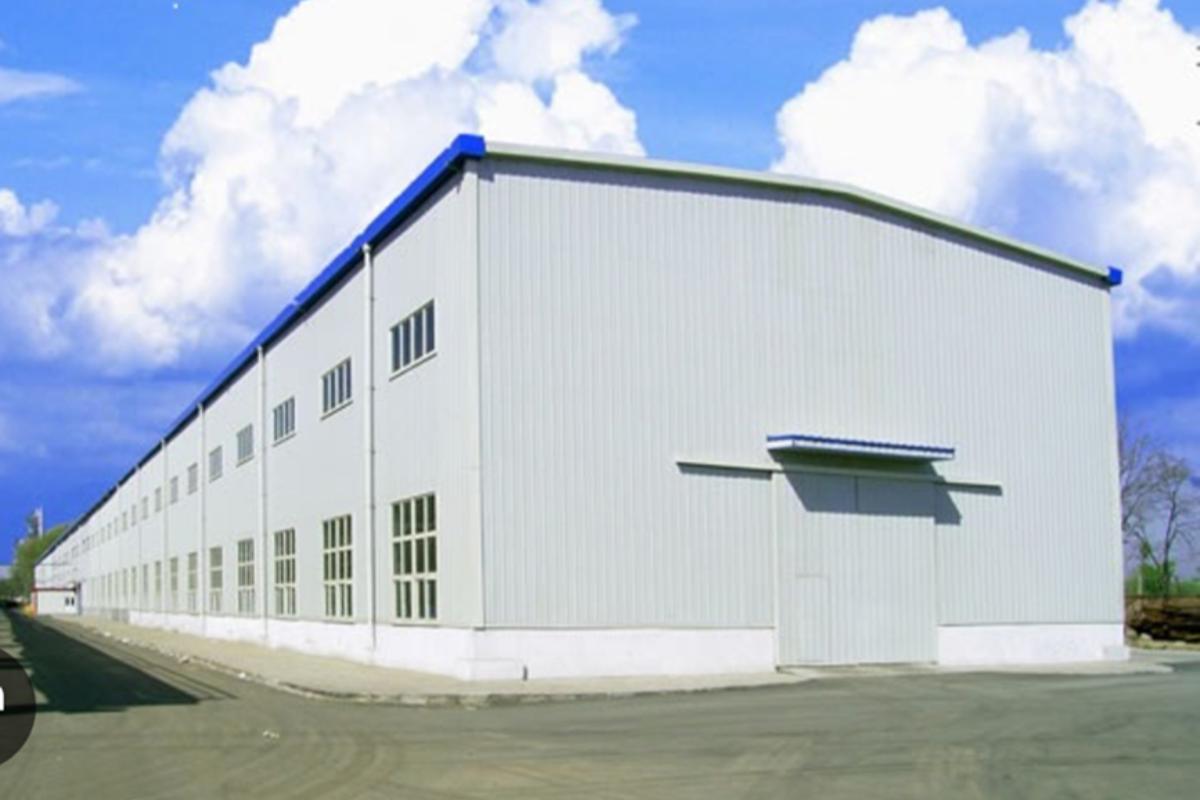
What are the key steps to get your site ready for prefab container assembly?
- Permits and site planning
- Site clearing and grading
- Foundation construction
- Utility connections
- Delivery and assembly logistics
- Sealing and finishing
Overview
- The steps to get site ready for prefab container assembly involve careful planning, groundwork, and coordination so your unit can be installed safely and function efficiently from day one.
- From securing permits to preparing foundations and utilities, each step helps prevent delays, reduce costs, and improve long-term performance.
- If you’re considering a prefab container solution, Indigo Prefab House offers reliable and customizable units designed to fit your specific needs.
Preparing your site properly is a crucial first step to ensure a smooth and successful installation of your prefab container. Whether you’re setting up a workspace, storage area, or operational facility, having a well-prepared site helps you avoid delays and unnecessary costs.
In this article, we will explore the steps to get your site ready for prefab container assembly to help you get started.
If you’re looking for a prefab container solution, Indigo Prefab House provides reliable and prefab container units designed to match your specific needs.
Permits and Site Planning
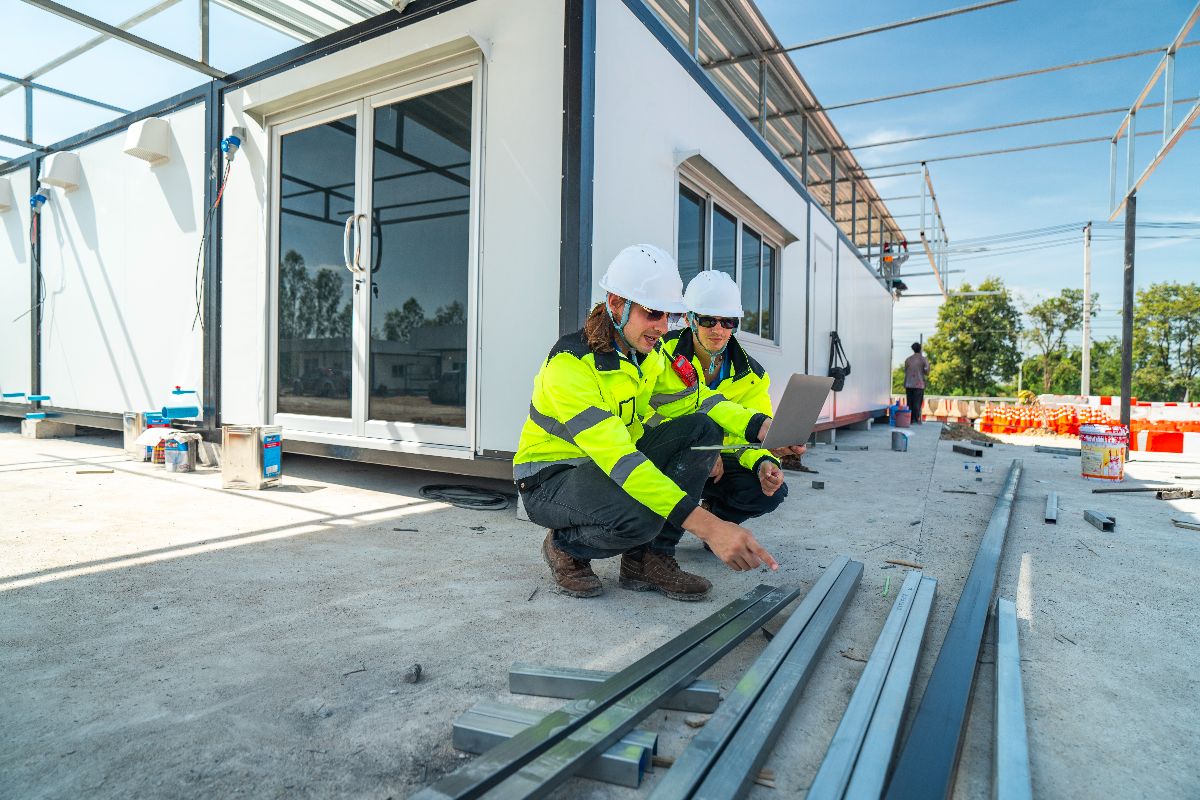
Getting permits is an important step because it ensures that your building plans comply with the National Building Code of the Philippines (PD 1096). This helps make sure your structure is safe, legal, and properly approved before any installation begins.
You typically acquire building permits from your local city or municipal office, along with zoning clearance from the barangay. The process can take anywhere from 1 to 3 weeks depending on your location and the completeness of your documents, so it’s best to prepare and submit requirements early to avoid delays.
Ideally, you should start this at least a month before installation. Site planning includes identifying the exact placement of the container, checking setbacks, and ensuring compliance with local building regulations.
Site Clearing and Grading
This involves removing debris, vegetation, rocks, or any existing structures that may obstruct placement. Grading is the process of leveling the ground to create a smooth, even surface, which is critical for container stability.
Without proper leveling, containers may tilt, causing structural stress or drainage issues over time. You can accomplish this by hiring excavation equipment or contractors to grade and compact the soil. A well-prepared site also improves drainage, preventing water accumulation that could damage your structure or foundation.
Foundation Construction
While containers are durable, placing them directly on uneven ground can lead to shifting, corrosion, or long-term instability. Common foundation types include concrete slabs, strip footings, or pier foundations, depending on soil conditions and usage.
This base ensures the container remains level, secure, and protected from ground moisture. Without a proper foundation, you risk structural issues and higher maintenance costs later on. Think of it as the backbone of your installation, it keeps everything aligned, stable, and safe for long-term use.
Utility Connections
These include electricity for lighting and equipment, water supply for restrooms or sinks, and drainage systems for wastewater management. In some cases, you may also need internet or data cabling for office setups.
These utilities must be planned early so connection points align with the container design. Proper installation ensures efficiency, safety, and convenience once the structure is in use. Without them, your container remains just a shell, unable to support daily operations or comfort needs, especially for workspaces or residential use.
Delivery and Assembly Logistics
Preparing for delivery and assembly involves ensuring your site is accessible for trucks, cranes, or lifting equipment. You should check road conditions, entry points, and available space for maneuvering large containers. Clear the area where the container will be placed and mark exact positions beforehand. It’s also important to coordinate timing so utilities and foundation work are completed before arrival.
Having a supervisor or site contact present during delivery helps avoid misalignment or delays. Proper logistics planning ensures smooth installation, reduces risks of damage, and allows assembly to proceed quickly and efficiently without unnecessary interruptions.
Sealing and Finishing
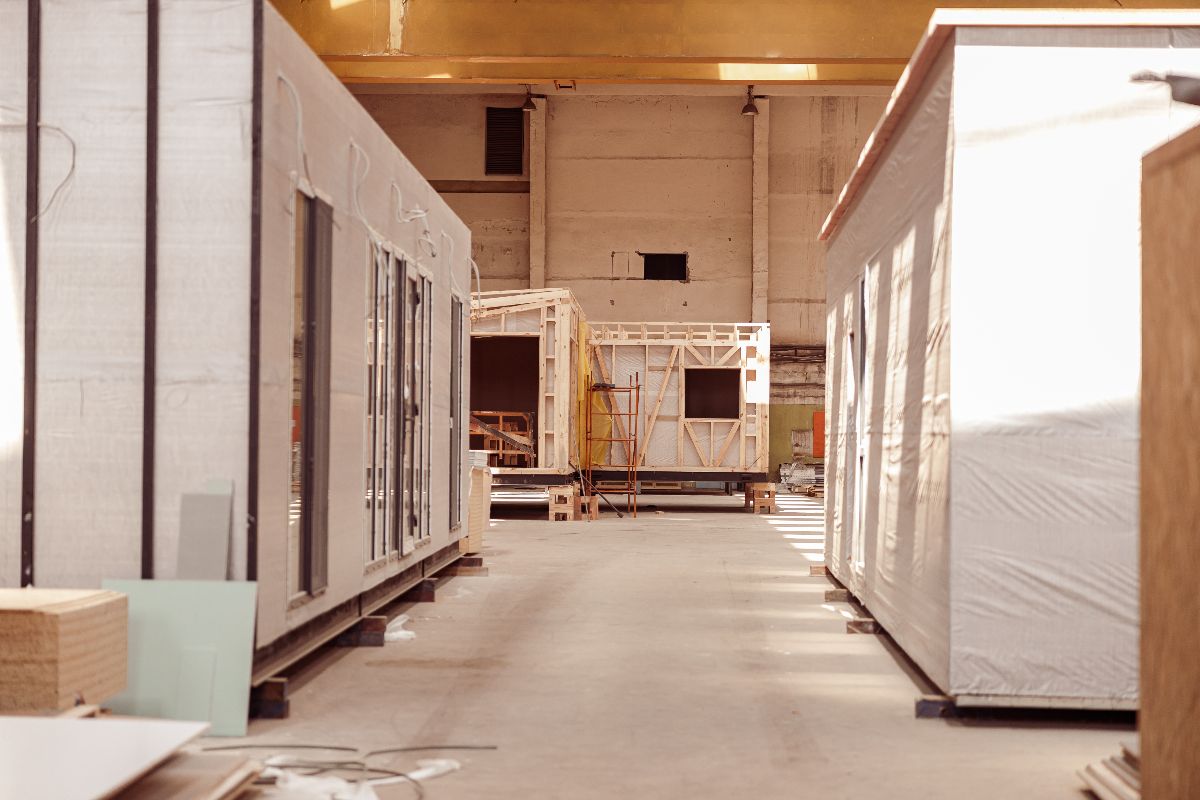
Sealing and finishing are critical steps that ensure your container is protected, functional, and comfortable for use. This includes sealing joints, applying weatherproof coatings, installing insulation, and completing interior finishes like flooring, walls, and ceilings. Depending on your agreement, this work may be handled by either you or your prefab provider, so it’s important to clarify responsibilities early.
Proper sealing prevents leaks, heat penetration, and corrosion, especially in tropical climates. Finishing also improves aesthetics and usability, turning a basic structure into a fully functional workspace or living area that is safe, durable, and ready for long-term use.
Why Proper Site Preparation Impacts Long-Term Performance
Proper site preparation directly affects how well your container structure performs over time, from safety to cost efficiency.
- Structural stability – A well-prepared site ensures your container stays level and secure, preventing shifting or uneven stress that can weaken the structure over time.
- Maintenance and durability – Proper groundwork reduces exposure to moisture, poor drainage, and ground movement, helping extend the lifespan of your container and lowering repair needs.
- Overall cost efficiency – When the site is correctly prepared from the start, you avoid future expenses caused by structural issues, repairs, or operational disruptions.
Key Takeaway
Proper preparation is essential for a smooth installation. Each of these steps to get your site ready for prefab container assembly, from permits and site clearing to foundations and utilities ensures stability, safety, and fewer delays. When done correctly, you save time, reduce costs, and improve long-term performance of your container structure.
If you’re planning a project, Indigo Prefab House provides high-quality prefab container solutions tailored to your needs. From planning to installation, we’re here to help make the process smooth and efficient. Contact us today to get started.
Share on


Most Viewed Posts
How Long Does It Take to Install a Prefab Container Building?
Read More

What Defines a High-Performance Modular Office for Manufacturing Sites
Read More
How Container Offices Improve Space Efficiency in Factories
Read More
Why Flexibility Makes Modular Offices Ideal for Industrial Operations
Read More
What to Consider When Choosing a Prefab Office for Manufacturing Use
Read More