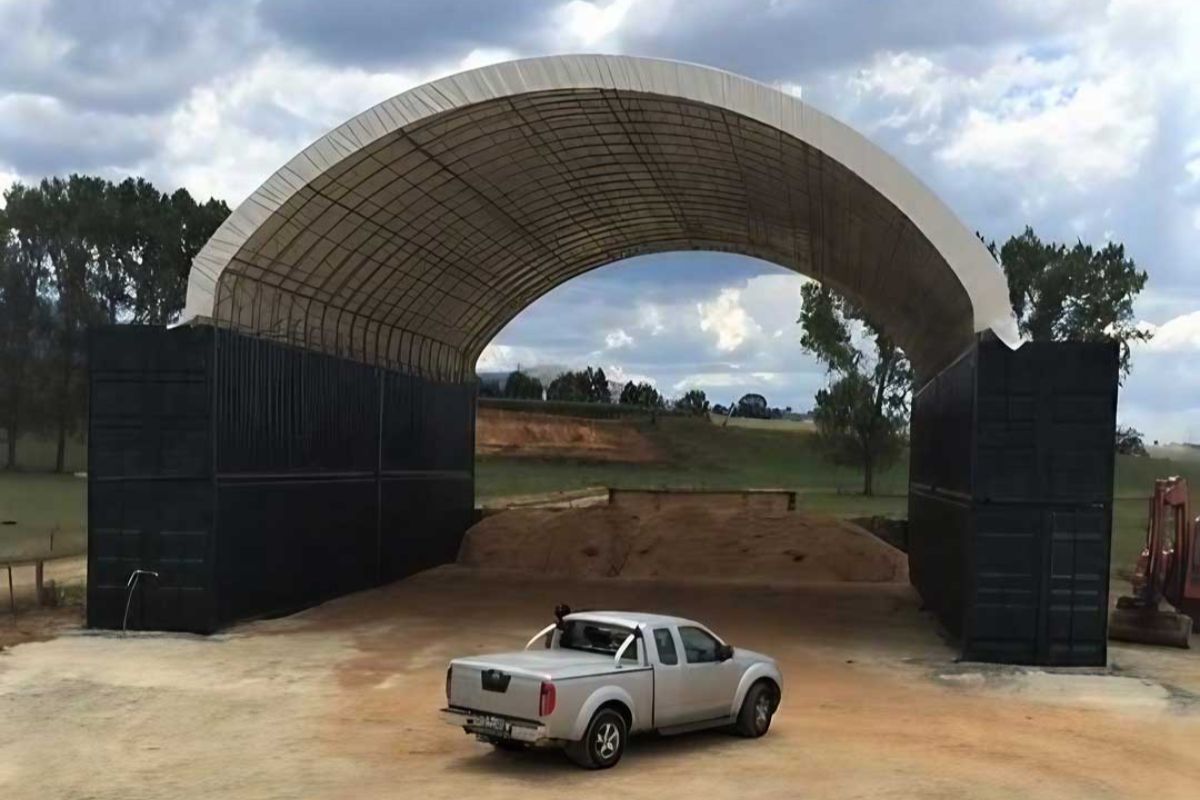
What are the temporary shelter solutions for disaster-prone areas?
- Prefab container housing
- Prefabricated shelters
- Inflatable and rigid pods
- Emergency tents and kits
Overview
- This article explores different temporary shelter solutions for disaster-prone areas, including prefab container housing, prefabricated shelters, inflatable pods, emergency tents, and repurposed public buildings.
- Each option offers different levels of speed, durability, and scalability depending on the emergency situation.
- Indigo Prefab House provides durable prefab solutions designed to support emergency response and long-term resilience.
The Philippines experiences a high number of natural disasters every year, from strong typhoons to earthquakes. Just last year, around 23 tropical cyclones affected the country, along with several seismic events that disrupted communities and displaced families.
Situations like these highlight the urgent need for durable, fast-deployable, and reliable shelter solutions like prefab structures that can protect people when permanent housing is not immediately available.
In this article, we will explore different temporary shelter solutions for disaster-prone areas and how each option can help provide safety and support during emergencies.
Prefab Container Housing
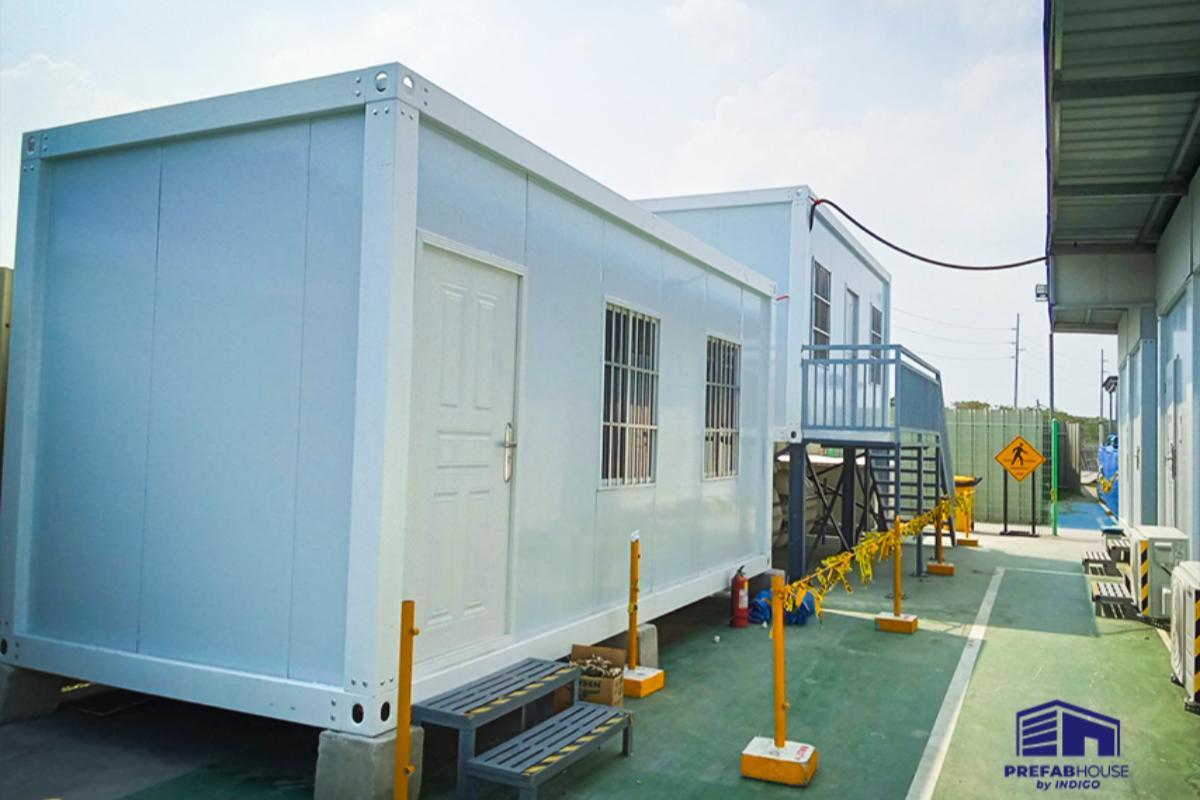
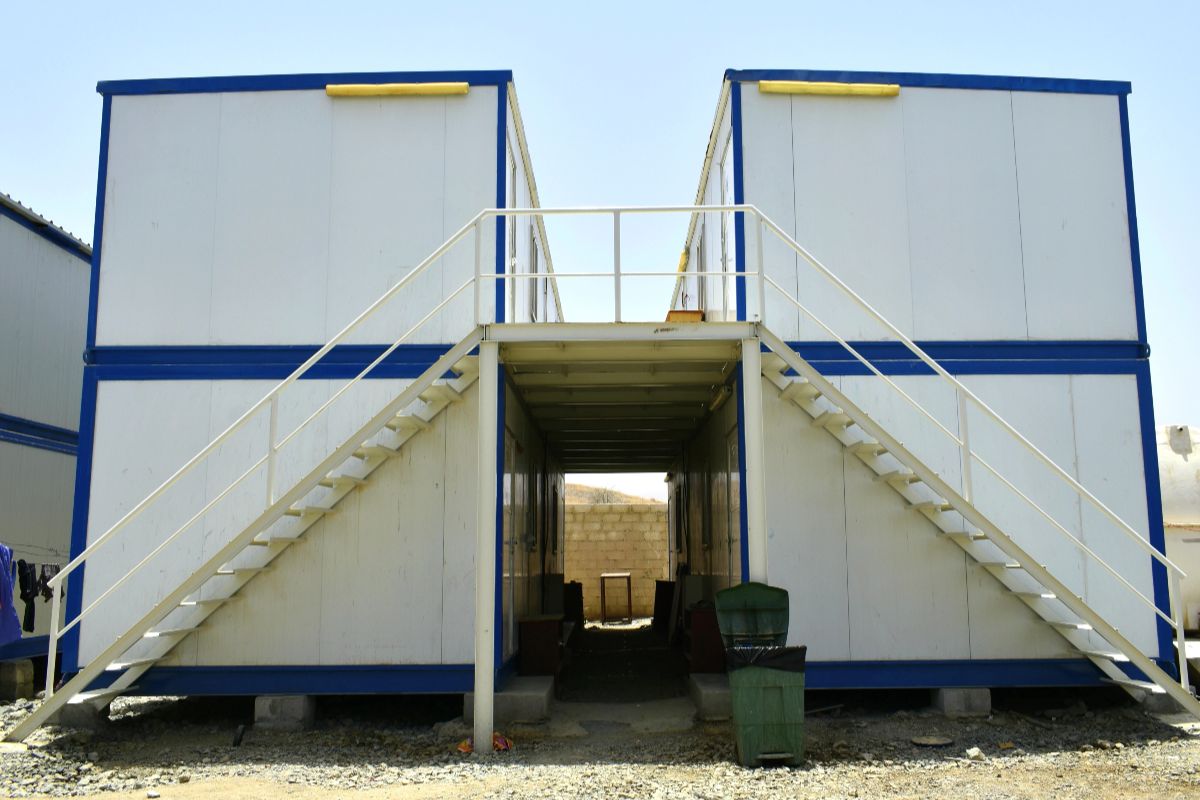
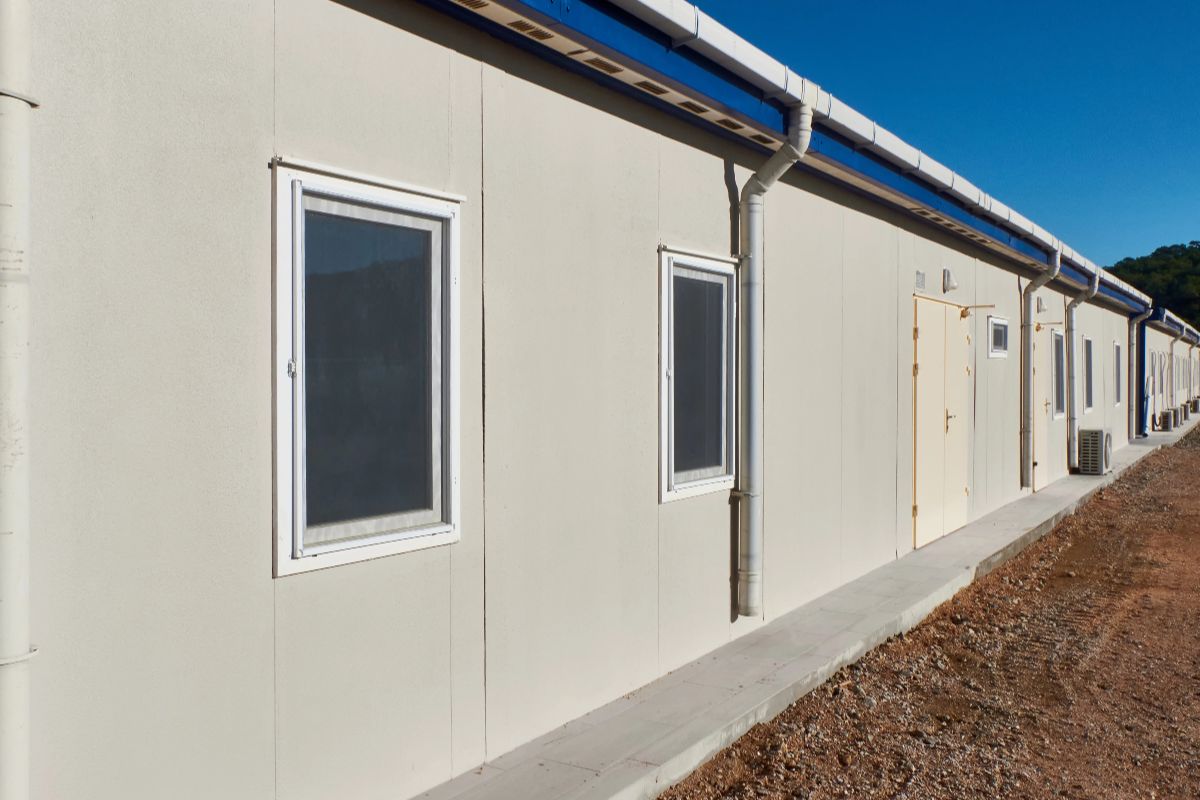
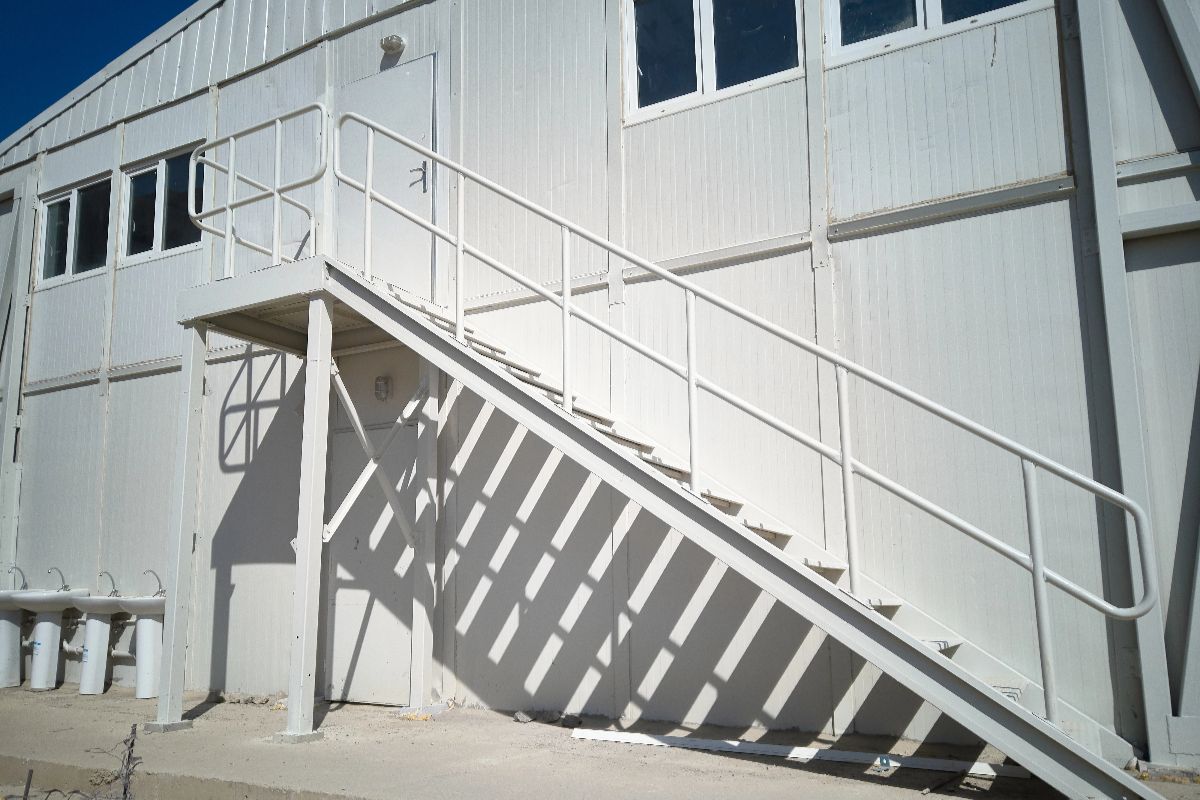
Prefab container housing gives you a strong, ready-to-deploy shelter solution in disaster-prone areas. These units are designed to be quickly transported and installed, helping you respond faster when safe housing is urgently needed.
With durable materials and a modular design, you can use them for temporary shelter or even longer-term relocation. They also provide better protection compared to makeshift structures, especially during extreme weather conditions common in the Philippines.
You get options in both 20ft and 40ft sizes with Indigo’s prefab containers. Built using EPS sandwich panels for energy efficiency and sound insulation. These units are windproof and earthquake-resistant, giving you a reliable and secure shelter when it matters most.
Prefabricated Shelters
Designed for rapid deployment, these shelter solutions allow you to quickly set up safe and functional spaces immediately after a disaster. You can use them for evacuation centers, temporary medical stations, or short-term housing, as they are pre-engineered for fast on-site assembly. Built with durability in mind, they offer stronger protection compared to basic temporary structures, especially in emergency situations where safety is a priority.
Fast shelters from Indigo feature a hot-galvanized steel frame that provides long-term strength and stability. The PE or PVC fabric materials are UV-resistant and fire-retardant, helping them withstand harsh weather conditions.
Inflatable and Rigid Pods
These units are lightweight, easy to transport, and quick to deploy, which is useful when access to disaster areas is limited. You can set them up within hours, providing immediate shelter for individuals or small groups. Rigid pods, on the other hand, offer more structural stability while still maintaining portability.
These solutions are ideal for short-term use, such as temporary medical stations, sleeping quarters, or command centers. While they may not be as durable as prefab containers, they play a critical role in the early stages of disaster response when speed and mobility are your top priorities.
Emergency Tents and Kits
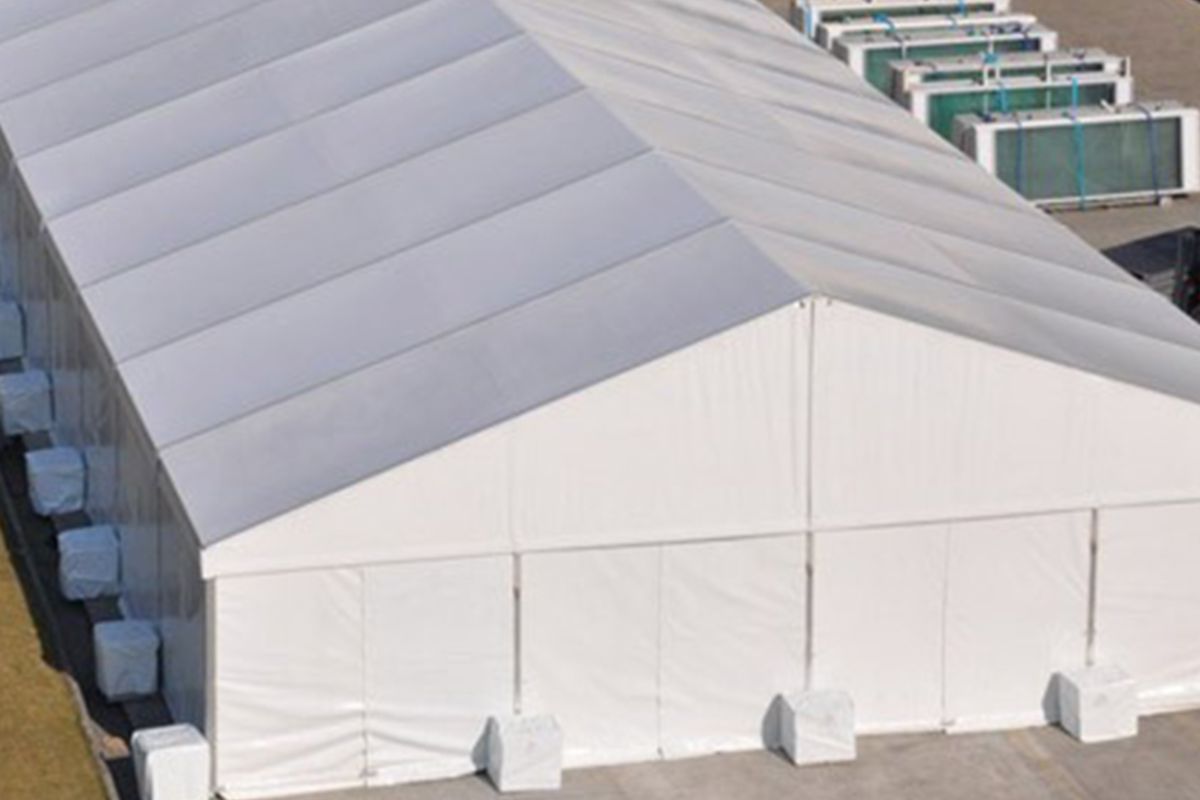
One of the most accessible and widely used shelter solutions during disasters are emergency tents and kits. They are designed for quick distribution and setup, allowing you to provide immediate protection for affected communities. These tents are typically lightweight and compact, making them easy to store and transport in large quantities.
While they may not offer the same level of durability as more permanent structures, they are effective for short-term shelter needs. Emergency kits often include basic essentials like sleeping mats, blankets, and tools, helping you create a temporary living space quickly. This makes them a practical first response solution while more stable shelters are being prepared.
Repurposed Public Buildings
Repurposed public buildings, such as schools, gyms, or community centers, are commonly used as temporary shelters during disasters. These spaces are already equipped with basic infrastructure like electricity, water, and sanitation, allowing you to accommodate large groups of people quickly. They also provide better protection compared to outdoor shelters.
Using existing buildings helps reduce setup time and costs, making them a practical option for immediate evacuation needs. However, these spaces may become overcrowded and are not always designed for long-term stays. That’s why they are often used as a temporary solution while more structured and private shelter options are being arranged.
Key Considerations for Disaster-Prone Areas
When planning shelter solutions in high-risk locations, you need to focus on safety, durability, and long-term adaptability.
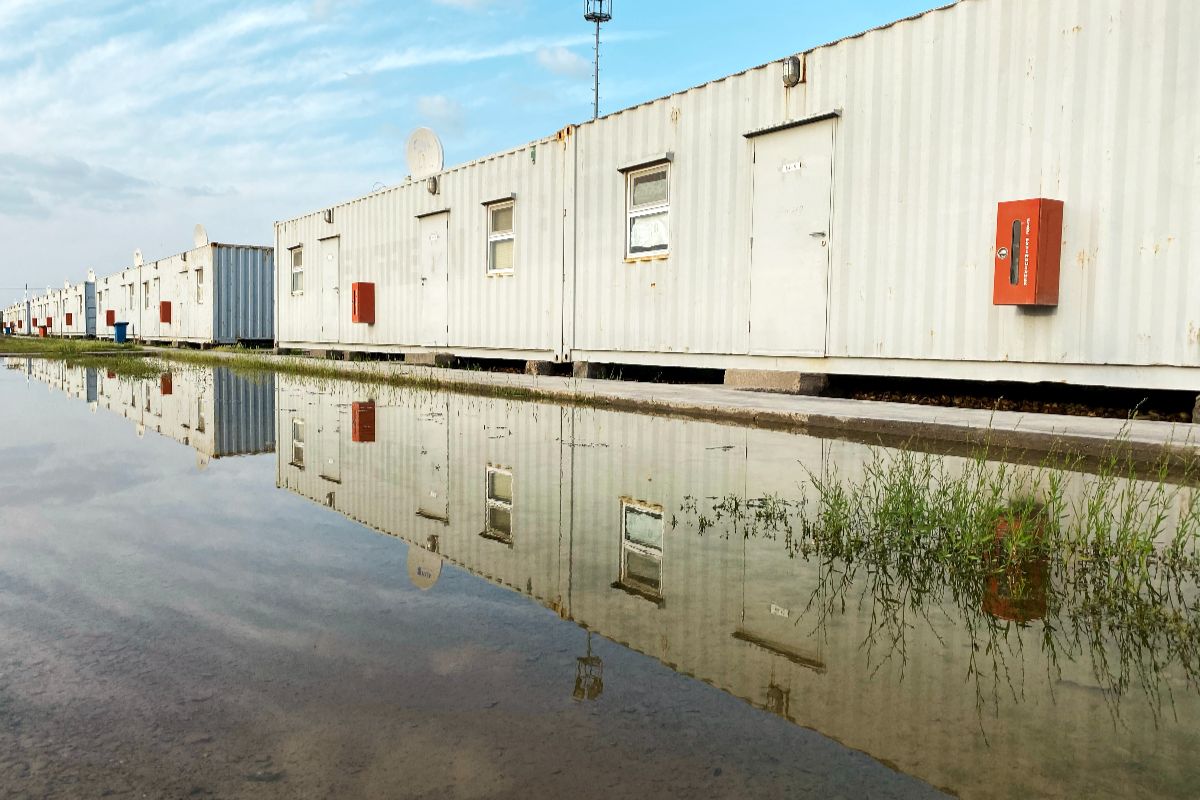
- Flood Resilience: You should ensure structures are elevated or designed with proper drainage systems to prevent water damage and maintain usability during heavy flooding.
- Wind/Cyclone Resistance: You need shelters built with reinforced materials and secure anchoring systems to withstand strong winds and typhoons common in the Philippines.
- Site Selection: Choosing a stable, well-drained, and accessible location helps reduce risks and ensures safer evacuation and recovery operations.
- Locally Available Materials: Using materials that are readily available in your area allows for faster construction, easier repairs, and more cost-efficient solutions.
Key Takeaway
Choosing the right temporary shelter solutions for disaster prone areas is essential for ensuring safety, speed of response, and long-term resilience during emergencies. From prefab container housing to emergency tents and repurposed buildings, each option plays a role depending on the urgency, scale, and environmental risks involved.
If you’re planning reliable and fast-deployable shelter systems, Indigo Prefab House provides durable prefab buildings designed for disaster resilience and rapid setup. Contact us today to explore how we can help you build safer, more prepared communities.
Share on


Most Viewed Posts
Prefab Office vs Traditional Construction: Cost Comparison
Read More
When Does Your Project Need a Modular Office?
Read More
Why Businesses in Cebu City Are Choosing Mobile Offices
Read More
Common Workplace Challenges in Cebu City Construction and Industrial Sites
Read More
What to Consider Before Buying a Prefab Container Site Office
Read More