Overview
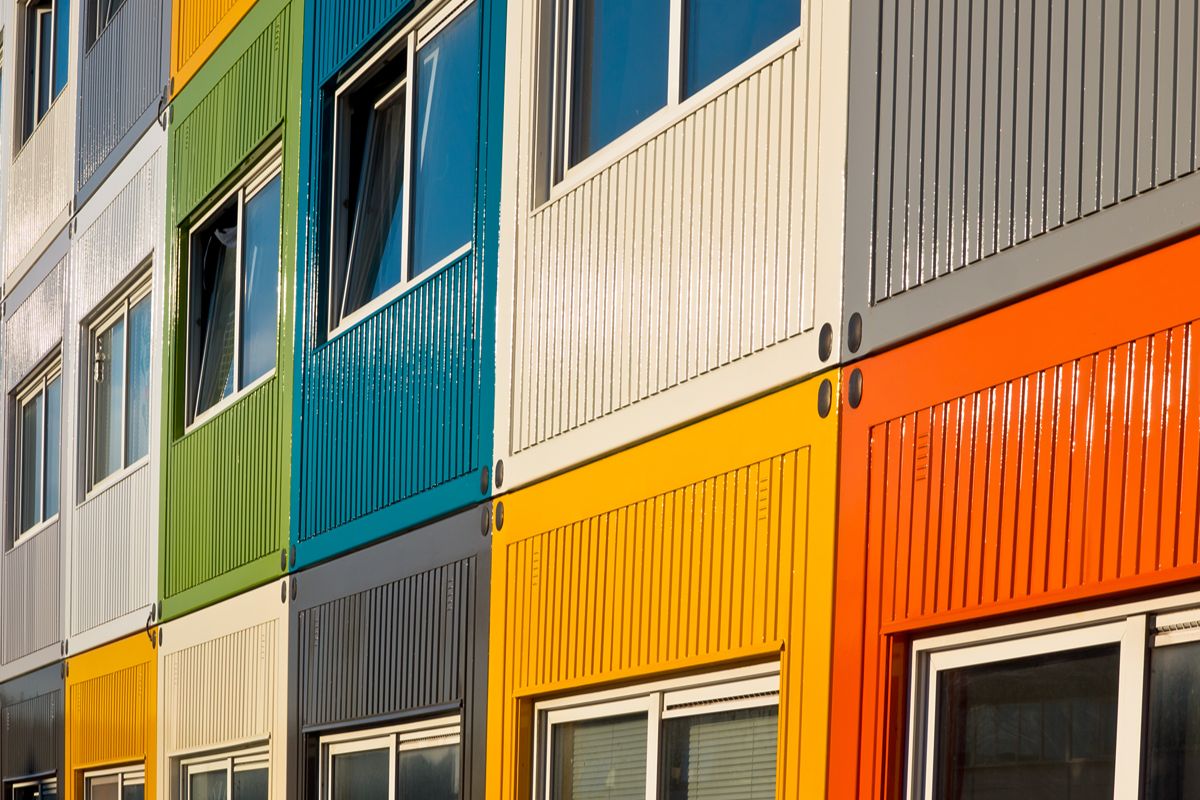
- Prefab container classrooms offer fast, affordable, and flexible solutions to the Philippines’ growing shortage of learning spaces.
- These modular units can be customized for classrooms, labs, dorms, or admin areas, and easily expanded, moved, or repurposed as needs change.
- For schools seeking reliable, scalable alternatives to long construction timelines, consider Indigo Prefab House for tailored educational facilities.
Schools and training centers in the Philippines operate under real constraints: rising enrollment, growing program demand, and limited capital budgets. Adding learning spaces through conventional construction can mean long timelines, high upfront costs, and construction activity that disrupts ongoing operations.
This shift has led many institutions to explore prefab containers as an alternative for expanding their available learning and training spaces.
To help you determine if this is the right fit for your institution, in this article, we’ll take a closer look at how you can use prefab containers for your educational and training facilities.
Why Use Prefab Containers?
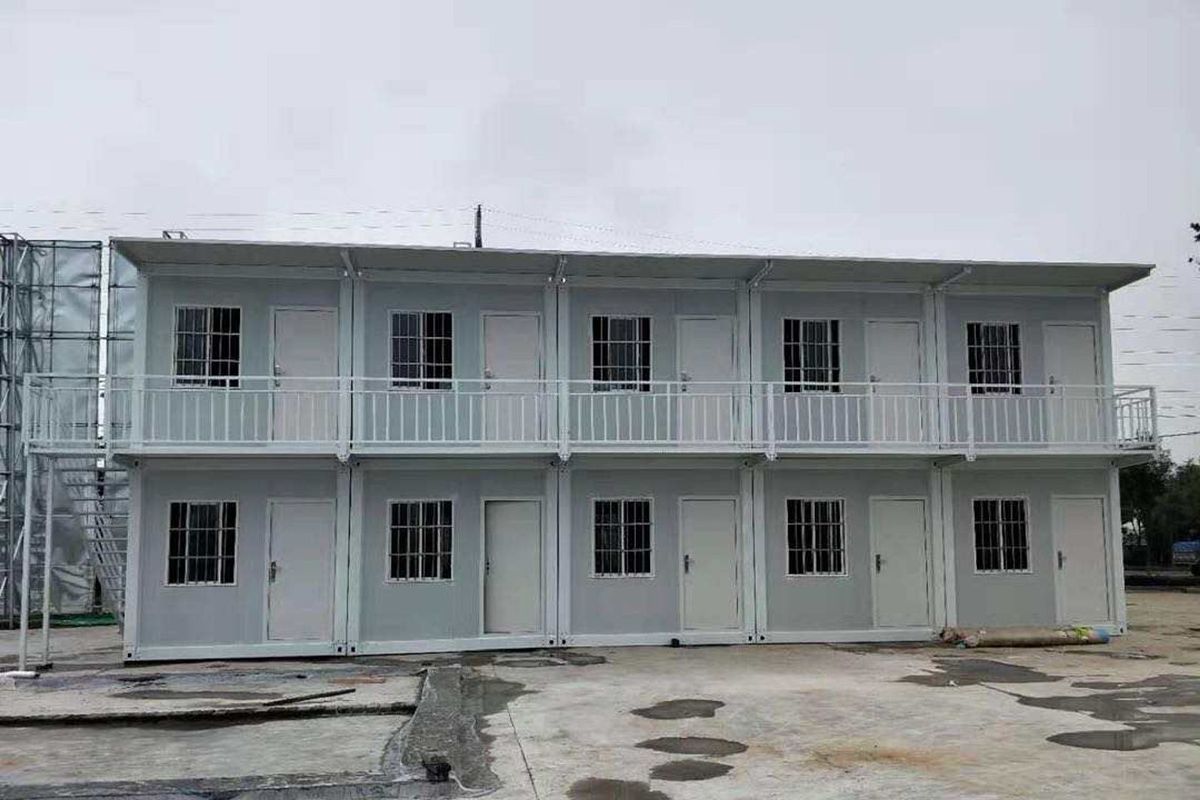
Schools and training centers need spaces that can respond to changing enrollment, programs, and operational requirements. Whether the need is for additional classrooms, training rooms, or support facilities, prefab containers provide an alternative to conventional construction that can be evaluated based on the institution’s priorities.
Rapid Deployment
Prefab containers can be deployed faster than conventional buildings because major components are prepared before delivery. Once the site is ready, installation can proceed without the extended construction period associated with building a facility from the ground up.
This can be particularly useful when additional classrooms or training rooms are needed before a new academic year, during campus renovations, or for an upcoming program.
Cost-Efficient
Every peso allocated to facility expansion competes with learning materials, technology, and program development. Prefab construction uses pre-engineered components and a streamlined installation process, which can make project costs easier to manage than a conventional build.
This is especially relevant as schools balance facility improvements with spending on learning materials, technology, equipment, and other institutional priorities.
Scalable and Reusable
A school’s space requirements rarely remain the same for long. Facility requirements can change after the initial installation. With prefabricated buildings, additional units can be introduced when enrollment increases, while existing spaces can be reassigned when programs or operational needs shift.
For example, a classroom used today could later serve as a training room, faculty office, or other institutional space rather than becoming unusable when its original purpose changes.
Relocatable
Not every learning space needs to be permanent. Schools may require additional rooms while a building is under renovation, while training organizations may operate programs at different locations.
Because prefab structures can be transported, the same unit can serve a different site when the original requirement ends.
Highly Customizable
A science laboratory will not have the same layout as a classroom, just as a training room will differ from an administrative office. The space has to work around its intended function.
Prefab containers can be fitted with partitions, windows, electrical systems, lighting, storage, and other features to suit those differences.
Types of Facilities You Can Build
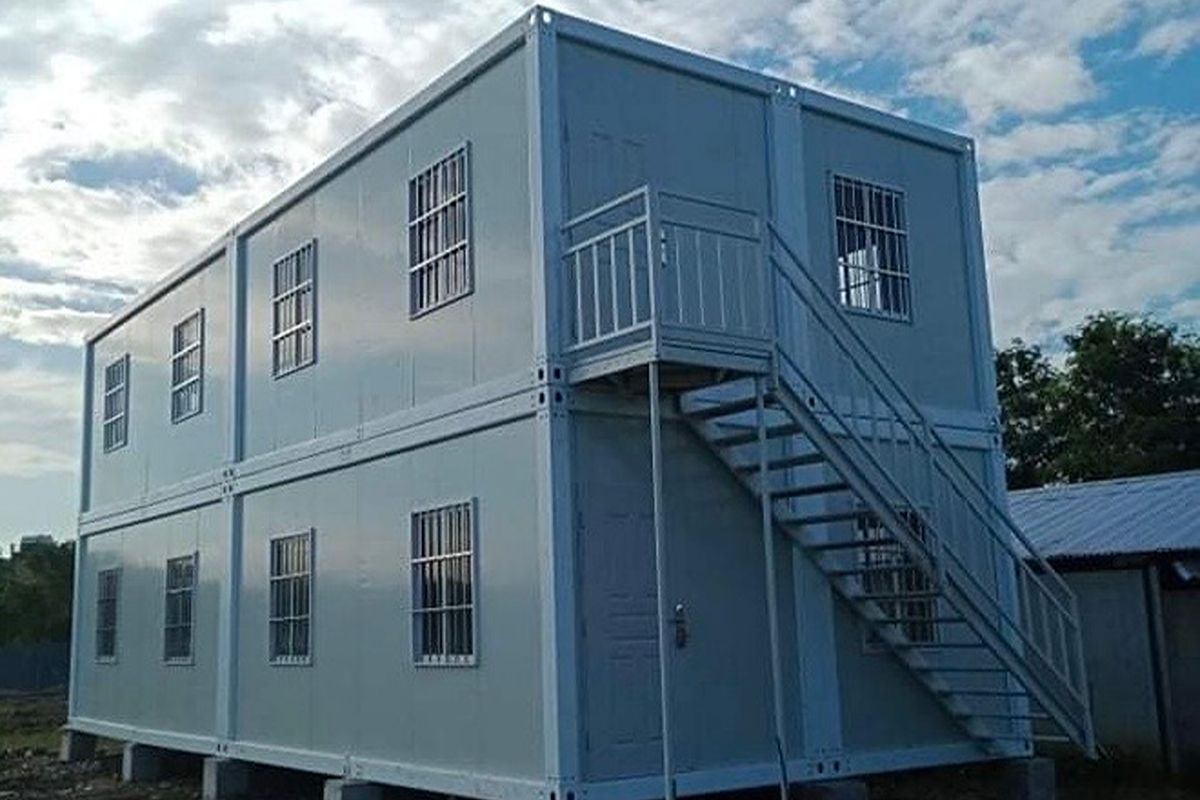
Prefab containers can support more than standard classrooms. Depending on the institution’s needs, they can be configured for instruction, training, accommodation, and administrative functions.
Standard and Themed Classrooms
If you need additional teaching capacity, prefab classrooms can be configured for general instruction or specific subjects. You can plan the room around your teaching method, furniture arrangement, storage, and equipment requirements.
Vocational Training Rooms
Training centers can use prefab spaces for workshops, seminars, technical instruction, and skills development. These rooms can accommodate presentation areas, flexible seating, equipment, and technology based on the type of program you conduct.
Laboratories and Libraries
If your institution needs specialized learning spaces, prefab units can be planned around their specific functions. Laboratories may require workstations, electrical provisions, and equipment storage, while libraries need shelving, reading areas, and study zones.
Student and Teacher Dormitories
When accommodation is part of your facility requirements, these units can be configured as dormitories for students, teachers, or trainees. Sleeping areas, bathrooms, ventilation, and shared facilities can be planned according to occupancy.
Administrative and Ancillary Spaces
Your expansion may not need to add more classrooms. If offices, faculty rooms, reception areas, or storage are occupying learning spaces, separate prefab units can house these functions and free existing rooms for their original purpose.
Best Practices for Educational Setups
Creating an effective learning environment requires more than choosing the right structure. Proper planning ensures that prefab educational facilities remain comfortable, functional, and suitable for long-term use.
- Insulation and Ventilation: Consider insulated panels, windows, exhaust systems, and airflow when planning the indoor environment.
- Acoustics: Account for wall materials, acoustic panels, and room placement to reduce outside disturbances and support clear communication.
- Layout: Plan furniture, partitions, and activity areas around what students, teachers, and staff will actually do in the space.
- Electrical and Utility Requirements: Identify lighting, outlets, internet connectivity, water, and other utilities before finalizing the layout.
- Site Requirements: Review access, ground conditions, available space, and utility connections before installation.
- Prefab Supplier: Choose a supplier that can accommodate your facility requirements, customization needs, and site conditions. For instance, Indigo Prefab House offers customizable prefab solutions and can work with you on the design and specifications of your educational or training facility.
Key Takeaway
Institutions that understand how to use prefab containers for educational and training facilities can expand learning capacity faster, at lower cost, and with greater flexibility than traditional construction allows.
Indigo Prefab House offers customizable prefab solutions designed for schools, universities, and organizations that require efficient, functional, and durable facilities. Whether you need additional classrooms, training spaces, or institutional buildings, we are here to help you. Contact us today to discuss your next project.
Share on


Most Viewed Posts
Designing Functional Workspaces Using Modular Container Systems
Read More
How Prefab Containers Are Used for Logistics and Distribution Centers
Read More
Why Prefab Container Buildings Work for Remote Work Facilities
Read More
Prefab Office vs Traditional Construction: Cost Comparison
Read More
When Does Your Project Need a Modular Office?
Read More