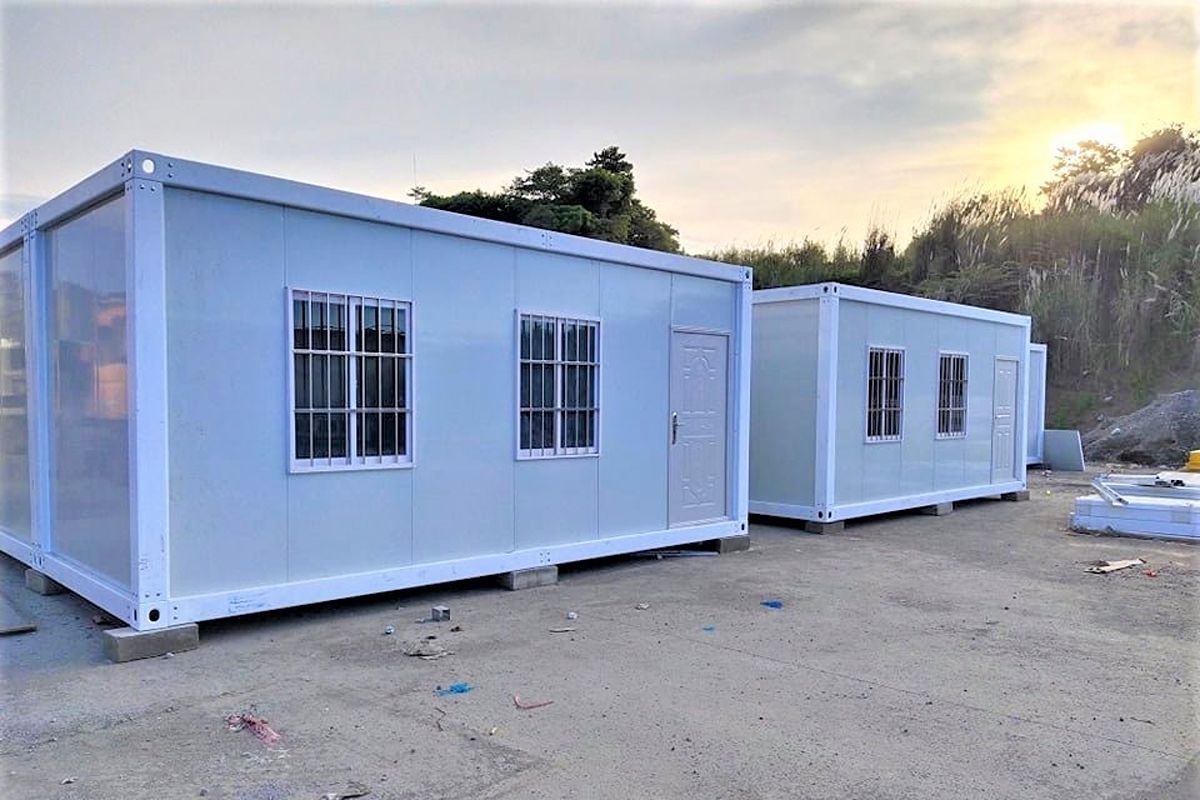
What are the features that improve comfort in container-based work environments?
- Climate control and insulation
- Acoustics and soundproofing
- Lighting
- Air quality and ventilation
- Ergonomics and layout
- Convenience and amenities
Overview
- Comfortable workspaces are built through thoughtful design choices that support employee well-being and operational efficiency.
- From temperature regulation to functional layouts and workplace amenities, every feature contributes to a more productive environment.
- Indigo Prefab House provides customizable modular solutions that combine comfort, durability, and practicality for a wide range of business applications.
Workplace settings should support people. Whether employees are handling construction projects, coordinating logistics, or handling administrative tasks, their environments affect concentration, communication, and productivity.
Container-based work structures are sometimes viewed as purely functional, but today’s modular buildings have evolved far beyond that perception. With thoughtful planning and the right design features, they can offer efficient spaces that accommodate daily workflows.
In this article, explore the features that improve comfort in container-based work environments.
Climate Control and Insulation
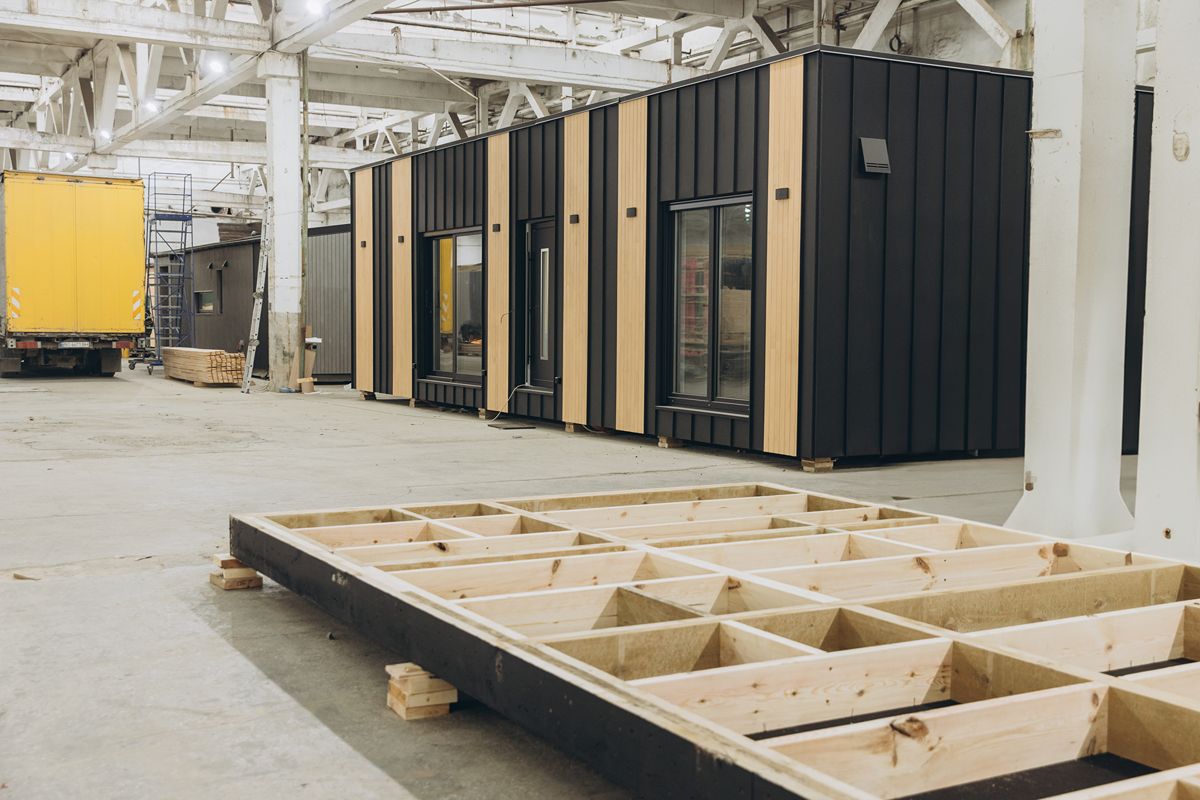
Prefab offices feature proper insulation and temperature-control solutions to maintain a cozy indoor environment. Without these, steel surfaces can immediately absorb outdoor heat or lose warmth during colder weather.
Insulated wall and roof panels, vapor barriers, and energy-efficient HVAC systems work together to reduce heat transfer and maintain a more stable indoor temperature. As a result, the workspace feels cooler during hot afternoons and warmer when temperatures drop. Better temperature regulation lessens the strain on cooling and heating equipment, which contributes to lower energy consumption in the long run.
Acoustics and Soundproofing
Work environments are often filled with conversations, equipment noise, or ongoing construction projects. With a container-based office, these sounds can become more recognizable because steel surfaces reflect sound rather than absorb it.
To create a more peaceful space for employees, modular establishments can incorporate acoustic insulation, sound-absorbing wall panels, insulated ceilings, and tightly sealed doors and windows that reduce outside noise and internal echoes. With these improvements, employees can concentrate better throughout the day, making meetings easier to conduct and individual tasks less susceptible to interruptions.
Lighting
Lighting affects how alert staff feel, minimizes eye fatigue during prolonged computer use, and creates a more welcoming ambiance that promotes productivity. Instead of relying solely on artificial lighting, prefab work spaces are designed to maximize natural daylight through well-placed windows and glass panels. This can be complemented with energy-efficient LED lighting that provides illumination even during nighttime operations or cloudy weather.
Together, these elements produce a brighter and more comfortable area that helps employees remain focused and make the workspace feel larger and less enclosed.
Air Quality and Ventilation
When fresh air cannot circulate properly, heat, humidity, odors, and airborne particles may accumulate inside the workspace. That may create an environment that feels stuffy and uncomfortable.
Proper ventilation solves this by replacing stale indoor air with fresh outdoor air. Properties like operable windows, roof ventilators, exhaust fans, and mechanical ventilation solutions regulate airflow and reduce excess moisture and improve overall indoor airflow. This creates a fresher atmosphere that supports employee well-being, especially in offices where people share the same space for extended periods.
Ergonomics and Layout
Business workforces must be able to move naturally between workstations, meeting areas, and shared facilities without limitations or congestion. An ergonomic layout focuses on arranging the interior around everyday operations rather than simply fitting furniture into the available spot.
Broader circulation paths, strategically positioned workstations, accessible storage, and dedicated collaboration destinations all contribute to more productive work hours. With a design built around actual work activities, teams can perform their tasks more comfortably and effectively.
Convenience and Amenities
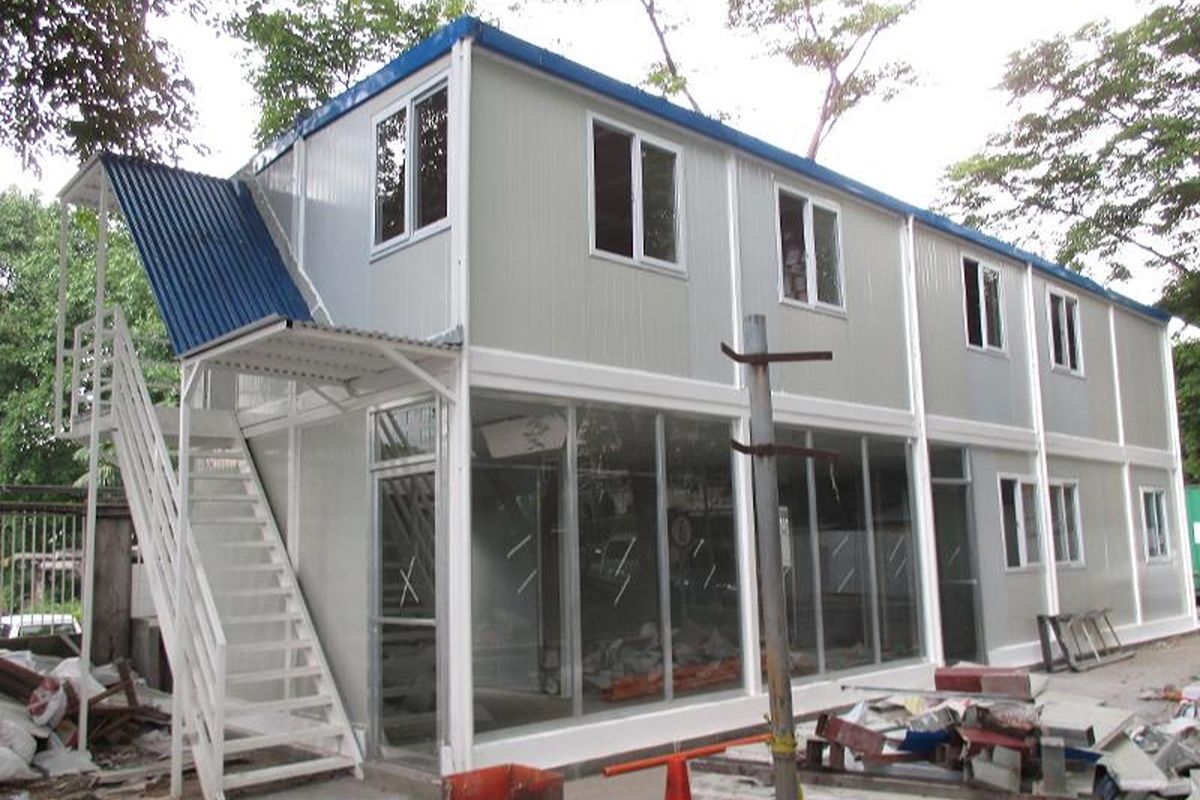
A productive workspace goes beyond desks and workstations. Professionals need supporting facilities that make tasks easier to accomplish without leaving the workplace for basic necessities. Container-based van offices can incorporate amenities such as a pantry or coffee station, restrooms, meeting rooms, storage cabinets, printing and utility areas, lockers, charging stations, and even small breakout spaces where staff can recharge and rest for a few minutes.
Having these features establishes a more organized and self-sufficient environment, improving convenience and encouraging collaboration in day-to-day operations.
What Should You Prioritize in a Container Workspace?
Every workplace has different demands, however, comfort should never be viewed as an optional upgrade. Reliable container work settings should factor in how these features work together to support employee well-being and everyday efficiency. They balance environmental comfort, functional design, and practical amenities and are encouraging productivity and remaining adaptable as operational requirements change.
Design Better Work Environments with Indigo Prefab House
Comfortable modular workspaces begin with choosing a quality solution that matches your business needs. Indigo Prefab House delivers customizable prefab buildings in the Philippines for various commercial applications, combining durable materials with practical designs and efficient construction processes.
To support long-term performance, we incorporate structural components into every modular solution, including:
- Anti-Rust Protection for structural integrity
- Light Steel Framework for strength and reliable performance
- Cold-Formed C- or Z-Section Steel Purlins and Girts (Q235 or Q345)
- Single-Layer Steel Sheets or Insulated Sandwich Panels for roof and wall solutions
- Heavy-Duty Galvanized Steel Components for enhanced structural resilience
- PVC or Aluminum Alloy Windows for natural lighting, ventilation, and weather resistance
- Sliding Doors or Roller Shutter Doors for easy entry points
Key Takeaway
The right features that improve comfort in container-based work environments can make a significant difference in how employees work, collaborate, and perform throughout the day. By prioritizing elements such as climate control, ventilation, lighting, ergonomic layouts, and practical amenities, ventures can create work settings that are functional and cozy.
Indigo Prefab House offers customizable prefab buildings designed around these essential features. Through our quality and efficient solutions, organizations can build durable and people-centered work environments. Contact us today to discover a solution ideal for your business.
Share on


Most Viewed Posts
How Long Does It Take to Install a Prefab Container Building?
Read More
What Defines a High-Performance Modular Office for Manufacturing Sites
Read More
How Container Offices Improve Space Efficiency in Factories
Read More
Why Flexibility Makes Modular Offices Ideal for Industrial Operations
Read More

What to Consider When Choosing a Prefab Office for Manufacturing Use
Read More