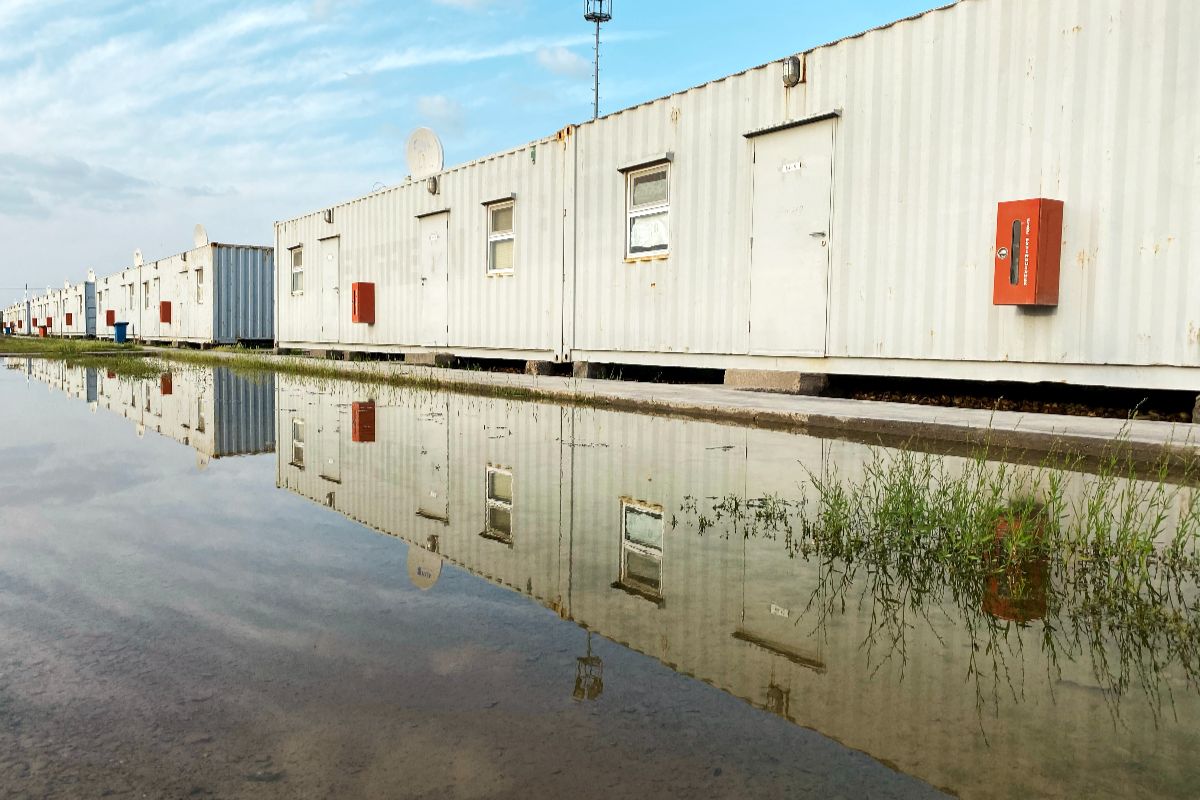
What to consider before buying a prefab container site office?
- Site preparation and logistics
- Structural and quality checks
- Design and customization
- Regulatory and legal compliance
- Cost and supplier selection
Overview
- This article breaks down what you should consider before buying prefab container site office, guiding you through the key factors that impact performance, cost, and long-term usability.
- It covers essential considerations such as site preparation and logistics, structural quality, design flexibility, regulatory compliance, and supplier selection.
- Indigo Prefab House, provides customizable, durable prefab containers that can support efficient and scalable on-site operations.
As modern operations expand and project timelines become more demanding, workspace requirements continue to evolve alongside them. Traditional office construction often introduces longer lead times and higher capital commitment, making it less aligned with fast-moving project environments.
This shift has led many teams to consider prefab offices as a more adaptive and efficient alternative. If this direction already aligns with your planning, the next step is understanding the key factors that determine whether your setup will perform effectively on-site.
In this article, we’ll break down what to consider before buying prefab container site office so you can make confident, well-informed decisions aligned with your project requirements, timeline, and operational goals.
Site Preparation and Logistics
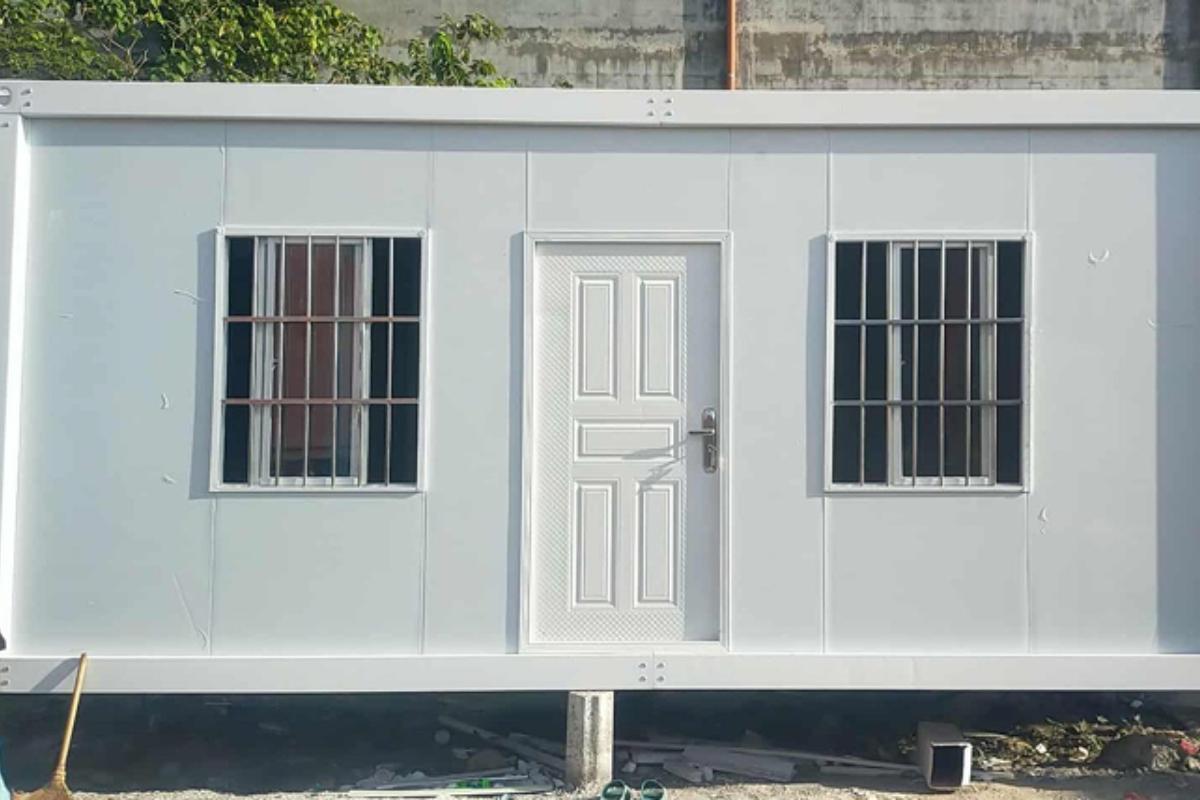
Successful prefab installation begins long before the container arrives on-site. A properly prepared site ensures the structure sits on a level and accessible surface, allowing seamless delivery and positioning of heavy equipment such as trucks or cranes.
This stability is essential because even slight unevenness in the ground can affect the container’s alignment, structural balance, and long-term durability. Beyond ground conditions, logistics planning plays a critical role in ensuring smooth execution.
Coordinating delivery routes, timing, manpower, and equipment in advance allows installation to proceed without operational friction or avoidable delays. It also reduces exposure to on-site risks that typically arise from last-minute adjustments or unprepared access points.
Structural and Quality Checks
Evaluating material quality at the outset helps ensure long-term reliability and operational safety. High-grade, corrosion-resistant materials are essential, especially in environments exposed to heat, humidity, or heavy rainfall. Insulation quality, welding precision, and load-bearing capability all contribute to the structural resilience of the unit.
Requesting quality certifications or compliance documentation adds another layer of assurance, confirming that the structure meets required standards. This approach reduces the likelihood of future maintenance issues and ensures the workspace remains stable under daily operational demands.
Design and Customization
Workspace design plays a direct role in how efficiently operations are carried out on-site. A well-planned layout supports workflow clarity, team movement, and functional organization within the space.
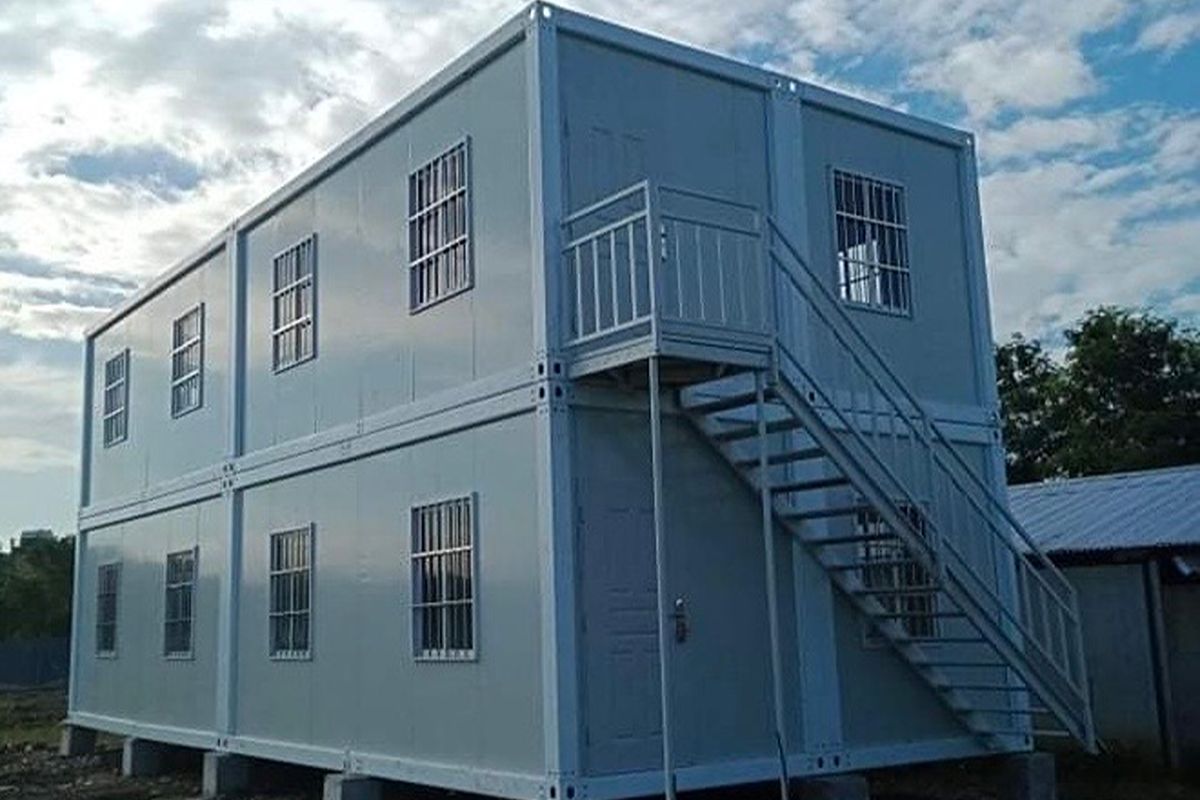
Depending on operational requirements, configurations may include workstations, meeting areas, storage zones, or partitioned sections. Customization options such as windows, insulation, electrical layouts, and access points further enhance usability and comfort.
Flexibility in design also matters for long-term adaptability. A well-structured container office should allow adjustments or expansion as operational needs evolve, ensuring the space continues to support productivity without structural limitations.
Regulatory and Legal Compliance
Compliance with local building regulations ensures that the structure is legally and safely deployable within its intended location. This includes adherence to zoning requirements, permitting processes, and safety standards mandated by local authorities.
Fire safety provisions, electrical compliance, and occupancy regulations are also key components of this evaluation. These requirements vary by location but collectively ensure that the structure meets operational and safety benchmarks.
Addressing compliance early in the planning phase reduces the risk of delays, penalties, or operational interruptions, allowing the project to proceed with full regulatory alignment.
Cost and Supplier Selection
Cost evaluation extends beyond the initial price of the unit and should include a full assessment of long-term operational value. Factors such as delivery fees, customization scope, and maintenance expectations all contribute to the overall investment profile.
Supplier selection also plays a critical role in ensuring reliability. Experience, production capability, and after-sales support indicate how well a supplier can deliver consistent performance throughout the project lifecycle.
A structured evaluation approach helps minimize hidden costs and reduces operational risk, ensuring the selected solution aligns with both budget expectations and functional requirements.
Why Choose Indigo Prefab House for Your Container Site Office?
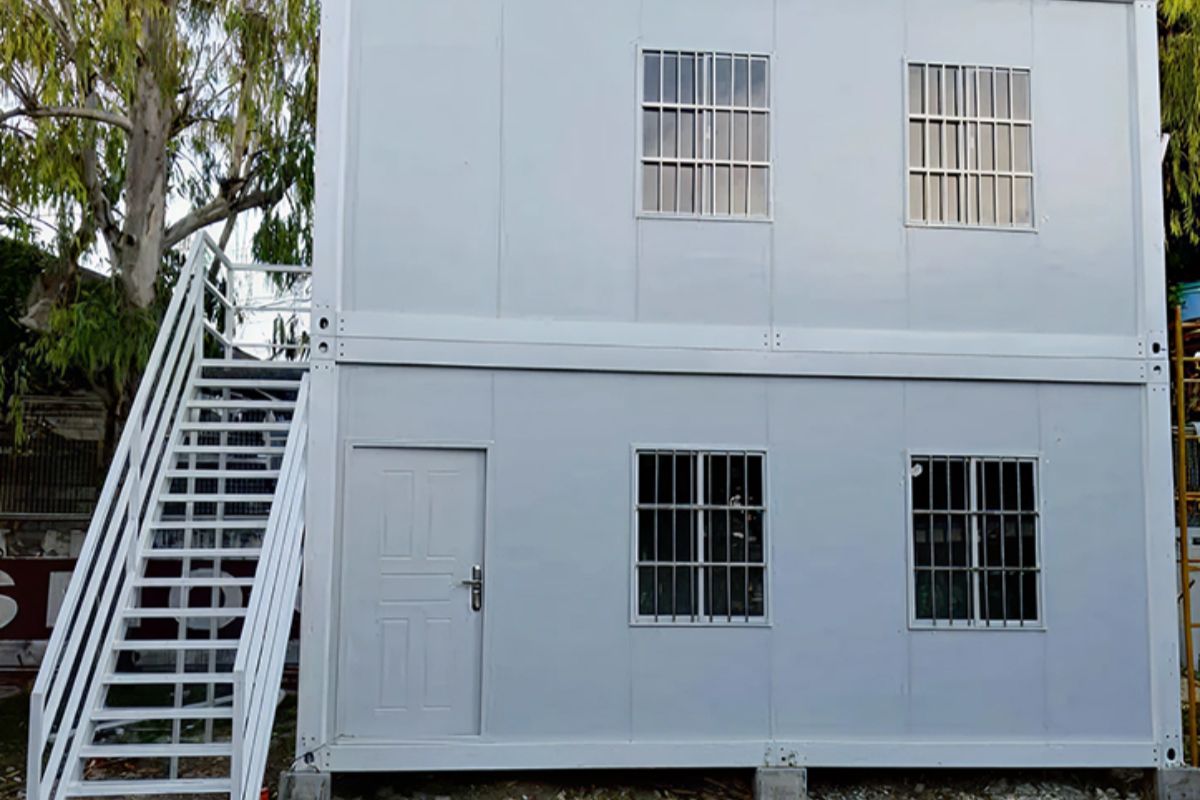
Indigo Prefab House delivers portable workspaces designed around efficiency, durability, and adaptability. Each of our unit is engineered using high-quality materials such as EPS sandwich panels, supporting insulation, structural strength, and long-term performance.
Design flexibility allows layouts to be tailored according to operational requirements, whether for compact site offices or expanded multi-functional spaces. With a focus on fast production and reliable delivery, each project is executed to align with time-sensitive site demands.
From planning to installation, we provide prefab container solutions built to support real-world project conditions while maintaining consistency, functionality, and scalability.
Key Takeaway
Understanding what to consider before buying prefab container site office helps you make informed decisions that impact your project’s efficiency, safety, and long-term performance.
From proper site preparation and quality checks to design flexibility, compliance, and cost evaluation, each factor plays a role in ensuring your workspace functions exactly as needed. Taking the time to assess these considerations allows you to avoid delays, reduce risks, and create a more reliable on-site office setup.
If you’re looking for a dependable solution, Indigo Prefab House offers high-quality, customizable container site offices designed to meet your specific project requirements. Contact us today to get started with a workspace built for performance and flexibility.
Share on


Most Viewed Posts

How Long Does It Take to Install a Prefab Container Building?
Read More

What Defines a High-Performance Modular Office for Manufacturing Sites
Read More
How Container Offices Improve Space Efficiency in Factories
Read More
Why Flexibility Makes Modular Offices Ideal for Industrial Operations
Read More

What to Consider When Choosing a Prefab Office for Manufacturing Use
Read More