
Overview
- Two-story container apartments offer a smart response to rising housing demand by combining faster construction and controlled costs.
- This modular approach helps investors scale rental capacity without long build timelines.
- For businesses seeking ready-to-deploy container apartments, Indigo Prefab House delivers engineered solutions
As housing demand continues to rise in urban and semi-urban areas, alternative construction methods are gaining traction in the Philippines. Among these, two-story container apartments are emerging as a viable solution for investors and property owners seeking faster build times and cost efficiency.
A two-story building offers a balance between maximizing land use and controlling construction costs. By stacking modular units vertically, you can increase rental capacity while keeping the footprint compact, making this option especially attractive in high-density locations.
In this article, we will discuss the feasibility and costing factors of establishing a container structure in the country. Read on.
Feasibility of a Two-story Container Apartment in the Philippines
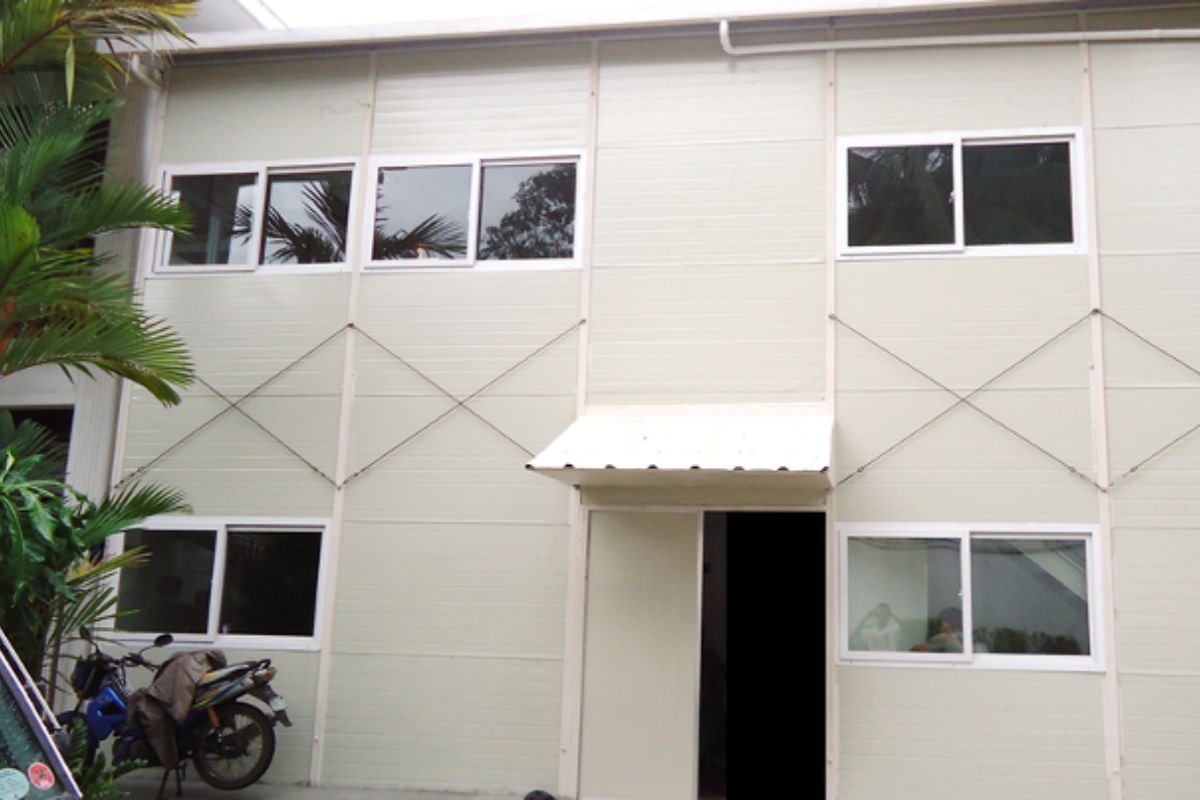
Two-story container structures offer a highly viable alternative to traditional construction builds in the country. The materials used for this kind of structure provide superior structural integrity against harsh weather conditions and seismic activity.
If you are planning to capitalize on this, then it would be an advantage for business owners to know that there are professional services that offer prefabricated containers. Indigo Prefab House is one of the major players in this field, offering well-engineered and pre-built modules that simplify your vision of having a two-story container apartment.
We deliver certified, climate-resilient units equipped with integrated insulation and electrical systems designed for faster deployment. This fast-tracked solution means businesses can now start occupancy sooner.
Key Cost Factors
The cost of building a two-story container apartment depends on several interconnected factors. Understanding these cost components helps property owners plan budgets realistically.
Containers
Selecting the right shipping container is the foundational step in balancing your project’s budget and long-term value. There are reused options in the market that are more affordable, but always inspect their condition. Typically, used container options have signs of wear, like surface rust or dents.
On the other hand, opting for modular units that are brand new may cost more but guarantees longevity. For this one, you can also request specific panels to customize the structure depending on your required needs.
Construction and Labor
Managing a project independently requires a substantial budget for on-site workers and daily construction oversight. These expenses may balloon significantly if the completion period extends over several months due to unpredictable weather or logistical delays.
In contrast, choosing modular containers offers a clear breakdown of the expenses. Many prefab suppliers include installation and assembly as part of the procurement package. This means that their specialized teams will do the work with precision, allowing you to simply sit back and witness your apartment stand in a fraction of the time.
Finishes
Coating is a critical finishing to protect the steel material of the container from the country’s intense humidity and salt air. Yet, this also comes with a price depending on what you prefer.
Owners can opt for specialty coatings, which have higher upfront costs or simply laminate the surface for visual appeal. You can decide on this depending on your long-term goals.
Utilities
Integrating essential utilities like electrical and plumbing systems requires careful technical coordination to maintain the apartment’s structural integrity. For those managing a build manually, this often involves complex on-site drilling and routing through steel walls.
The pre-built modules from Indigo Prefab House eliminate these challenges by arriving with integrated utility systems already in place. Our units feature factory-installed wiring, light fixtures, and plumbing connections
Cost Breakdown
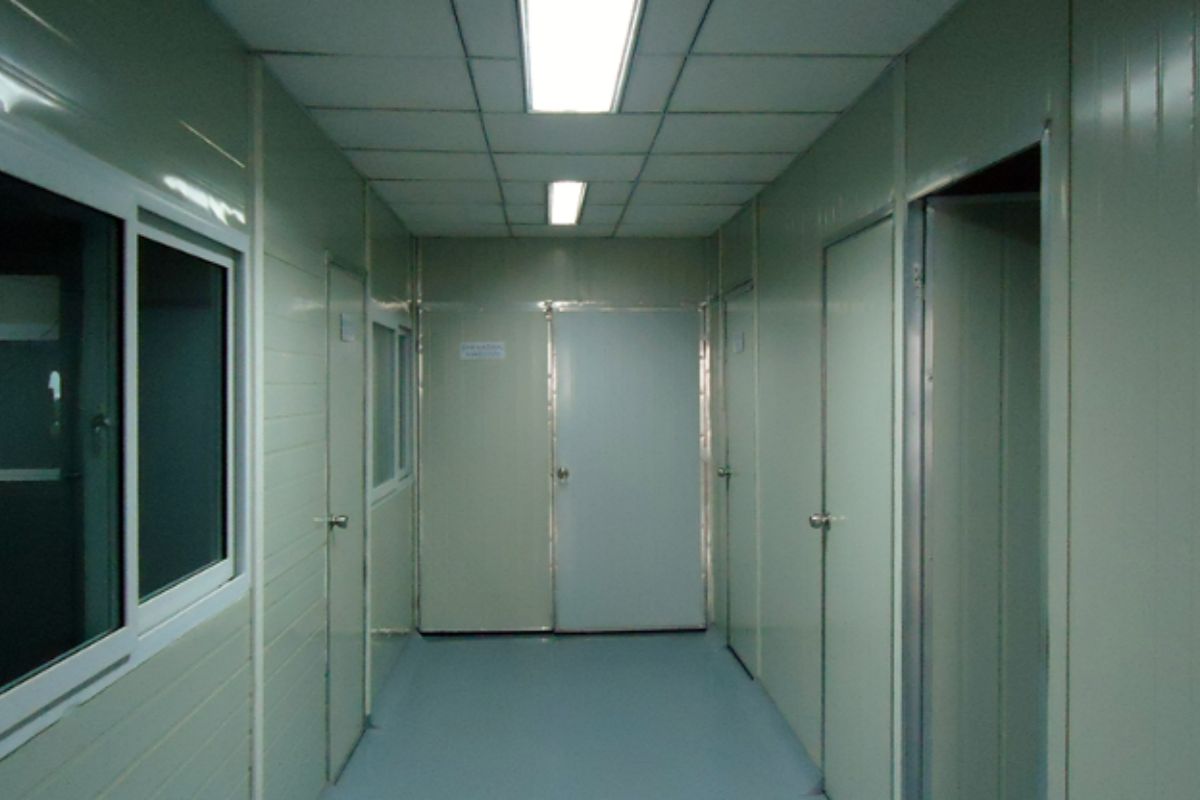
While costs vary by location and specification, container apartment projects generally fall into identifiable pricing ranges. To give you a figure, here are the pricing estimates for our container units:
- Basic Prefab Units: Starting from around Php 500,000 for a single unit or Php 1M, depending on the area and sizing.
- Per Square Meter: Around Php 19,000 – Php 35,000 per square meter for modular designs.
- Multi-unit/Apartment Style: Multi-unit or apartment-style container buildings can start from Php 2.5 Million.
Tips to Get an Accurate Quote
Taking the time to prepare before requesting quotes leads to more reliable cost estimates.
These steps help align contractor proposals with actual project requirements.
- Define Your Needs: Start by outlining your specific spatial requirements, such as the number of rooms, common areas, and utilities to include.
- Get Quotes: Request detailed quotations that explicitly break down the costs for materials, professional installation, and integrated finishes.
- Factor in Location: Logistics play a major role in the final price, as delivery fees vary based on your site’s distance from major hubs like Metro Manila or Cebu.
Key Takeaway
Two-story container apartments are a practical and scalable housing solution in the Philippines, especially for investors looking to balance speed and cost-efficiency. With strong structural integrity, faster build timelines, and flexible design options, container-based developments make it possible to enter the high-demand rental market.
For businesses that want to move faster with confidence, Indigo Prefab House provides professionally engineered container solutions. From the unit itself and on-site installation support, we make sure that the entire process is simplified. Contact us today to get a tailored quote.
Share on


Most Viewed Posts
How Long Does It Take to Install a Prefab Container Building?
Read More
What Defines a High-Performance Modular Office for Manufacturing Sites
Read More
How Container Offices Improve Space Efficiency in Factories
Read More
Why Flexibility Makes Modular Offices Ideal for Industrial Operations
Read More
What to Consider When Choosing a Prefab Office for Manufacturing Use
Read More