How can container offices improve space efficiency in factories?
- Vertical stacking
- Small footprint
- Lineside proximity
- Modular reconfiguration
Overview
- Factory layouts work best when every area is used with purpose, allowing production and administrative functions to complement one another.
- Choosing the right workspace solution can improve operational efficiency while preserving valuable room for manufacturing activities.
- Indigo Prefab House provides customizable container office solutions that help businesses maximize factory space without compromising flexibility or productivity.
Office areas play an important role by providing factory personnel a dedicated place to coordinate operations, track performance, and make timely decisions. However, these spaces should support production activities—not compete with them for valuable floor space.
This is where modular prefab solutions offer a practical advantage. Understanding how container offices improve space efficiency in factories helps organizations create functional workspaces that fit within current facilities and attain long-term operational development.
Vertical Stacking

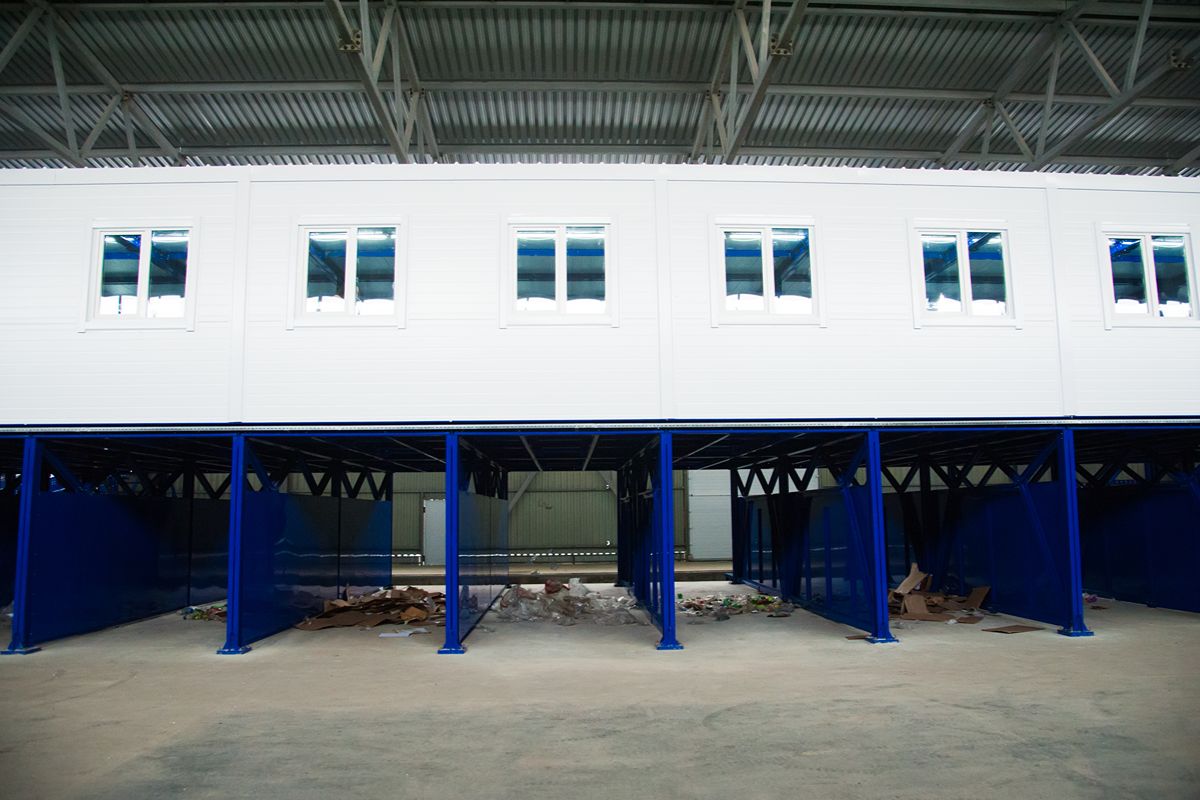
When floor space becomes limited, the most practical solution isn’t always expanding outward—it may be looking upward. Fabrication structures have unused overhead space that can be transformed into productive work areas.
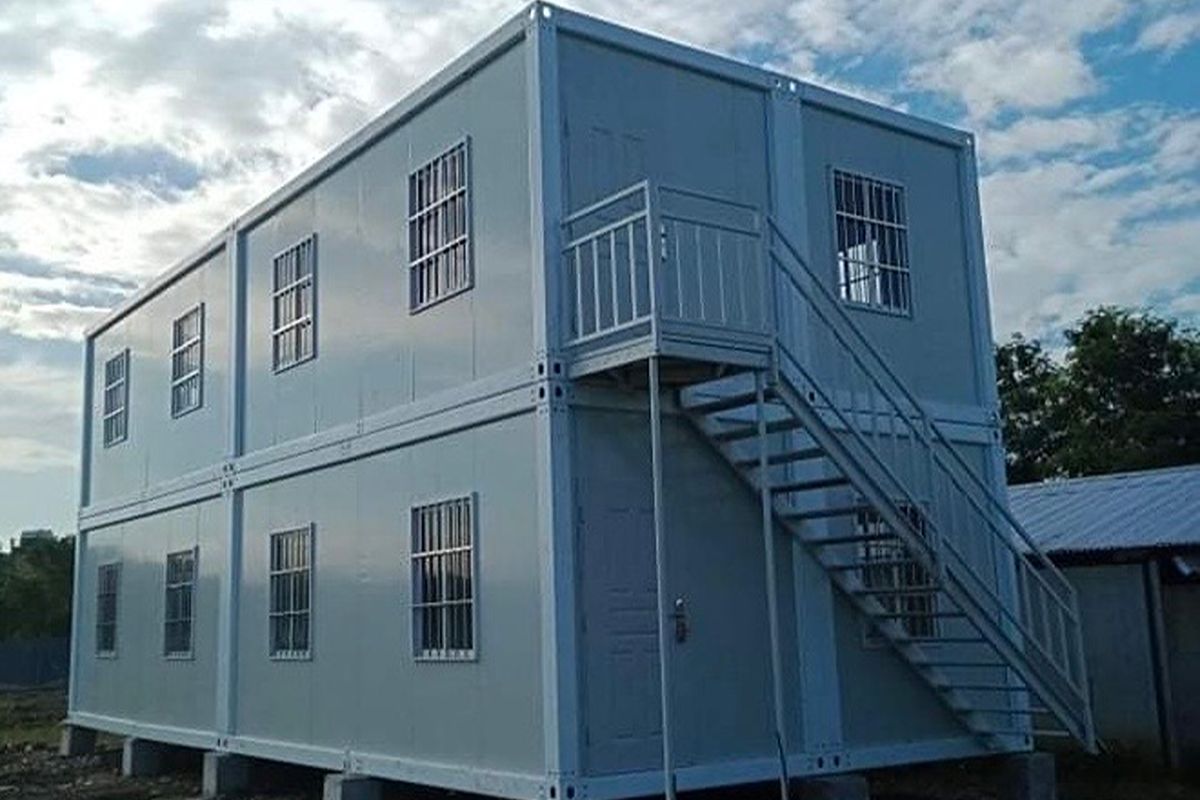
Container offices can be installed as elevated or multi-level buildings, creating sites above production zones, storage areas, or circulation routes. Besides increasing available office capacity, vertical installations also keep supervisors and managers close to everyday operations. Ultimately, teams can oversee production more effectively and maintain a clear separation between office functions and production obligations.
Small Footprint
Workspaces in factories must support manufacturing operations without taking away valuable room for production. For many facilities, the goal is not to build bigger offices but to create practical work areas that cater to administrative efforts while using as little floor space as possible.
A modular office makes this possible by concentrating essential functions, such as workstations, meeting areas, storage, and utilities, within a compact layout. Instead of dedicating a huge portion of the factory to office use, businesses can allocate only the space they actually need. Thereafter, the remaining area can then be reserved for machinery, inventory, loading zones, or future production expansion.
Lineside Proximity
When supervisors, engineers, and quality control teams spend less time moving between buildings, they can respond to concerns faster and stay more engaged with responsibilities on the factory floor. Instead of separating administrative functions, consider locating workspaces beside or within the fabrication area where they remain accessible.
With teams working closer together, communication becomes more immediate. Small concerns can be addressed before they escalate, helping maintain productivity and keep production timelines on track.
Modular Reconfiguration
New machinery may be installed, departments may be relocated, or additional teams may be introduced to support demand. As these adjustments take place, office areas should be able to adapt to the changing operations of the organization.
Modular container systems address this by being relocatable, expandable, stackable, or connectable with extra units. Businesses can now reconfigure workspaces around updated production designs rather than forcing factory responsibilities to work around fixed structures.
Because the workspace evolves alongside the facility, producers can continue optimizing their floor plan without investing in repeated construction projects. This adaptability makes it easier to improve space utilization, support future expansion, and maintain efficient production flow for more years to come.
When is the Best Time to Use Container Offices in Factories?
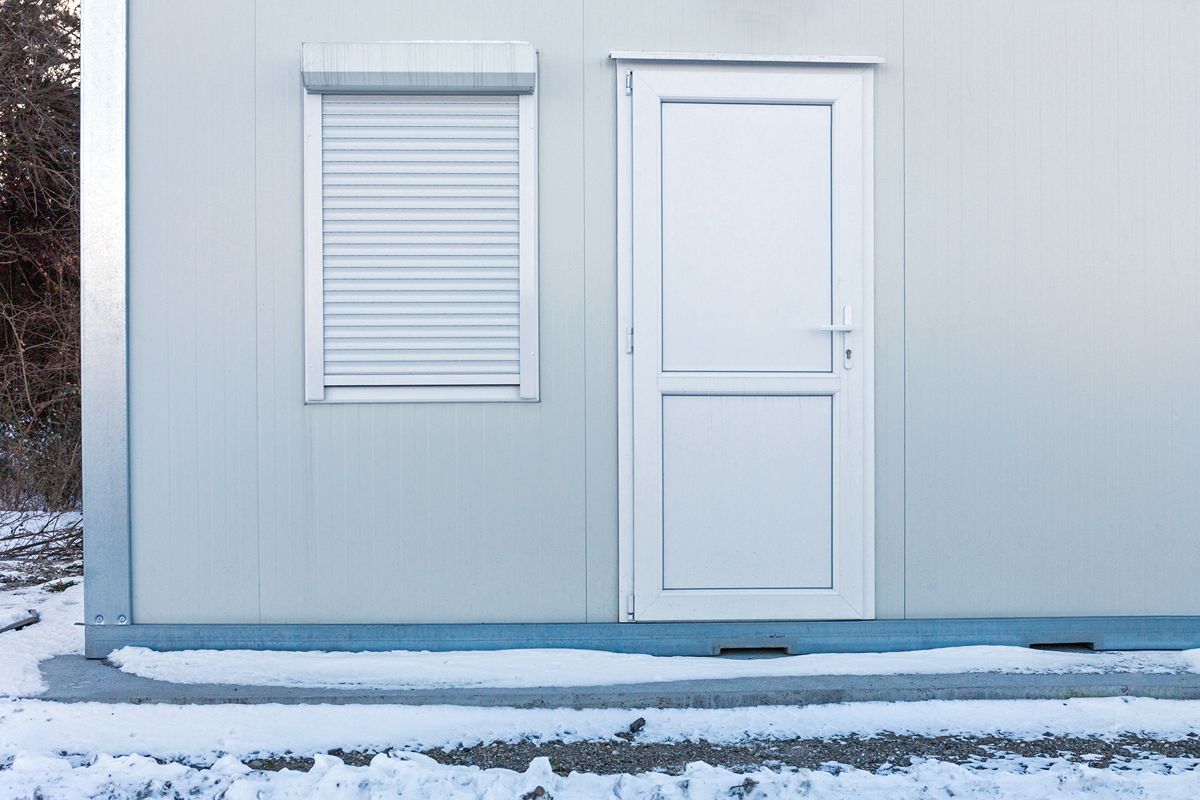
Prefab workspace offers the greatest value when manufacturers need extra areas without compromising production capacity. They are specifically advantageous in situations where flexibility, speed, and efficient use of space are priorities, such as:
- During facility expansions: As production grows and more supervisors, engineers, or administrative staff are hired, modular offices give additional workspace without requiring permanent construction.
- When reconfiguring fabrication designs: Installing new machinery, relocating departments, or optimizing workflows requires office spaces that can be moved or repositioned.
- When planning for long-term growth: Businesses expecting future shifts in staffing, production capacity, or operational demands can benefit from an occupational area that can be expanded, relocated, or reconfigured rather than investing in fixed structures that may become difficult to adapt.
Improve Your Factory Space with Indigo Prefab House
Choosing the right prefab workspace also means investing in a structure that can withstand the demands of an industrial environment. At Indigo Prefab House, every container van office is carefully fabricated from durable steel containers and undergoes a comprehensive procedure that includes structural preparation, insulation, utility integration, interior finishing, quality inspection, and professional installation.
To ensure optimal functionality, we integrate quality and structural materials into every workspace, including:
| Component | Specification |
|---|---|
| Main Structure | Light steel framework using Q235 or Q345 structural steel |
| Anti-rust Protection | Framework is durable (inherent in light steel structure) |
| Purlins and Girts | Cold rolled C or Z steel, Q355 or Q235 |
| Roof and Wall | Single layer steel sheet or sandwich panel |
| Earthquake Rating | Heavy-duty galvanized steel |
| Wind Rating | PVC |
| Door | Sliding door or roller shutter |
| Windows | PVC or aluminum alloy |
| Service Life | Sliding door or roller shutter |
Key Takeaway
Understanding how container offices improve space efficiency in factories allows producers to maximize every available square meter and maintain seamless manufacturing flow. Not only does it shorten travel time, but it also allows production managers to oversee everyday operations.
With durable, customizable container office solutions from Indigo Prefab House, businesses can create practical workspaces that adapt to changing operational needs. Reach out to us today to learn more.
Share on


Most Viewed Posts
How Long Does It Take to Install a Prefab Container Building?
Read More
What Defines a High-Performance Modular Office for Manufacturing Sites
Read More
Why Flexibility Makes Modular Offices Ideal for Industrial Operations
Read More

What to Consider When Choosing a Prefab Office for Manufacturing Use
Read More
Essential Maintenance Practices for Container-Based Workspaces
Read More