Overview
- Proper maintenance helps container-based workspaces remain safe, efficient, and dependable throughout years of daily use.
- By adopting preventive care and routine inspections, businesses can minimize unexpected repairs while protecting the value of their modular investment.
- Indigo Prefab House supports these long-term goals with durable, high-quality container-based solutions designed for lasting performance.
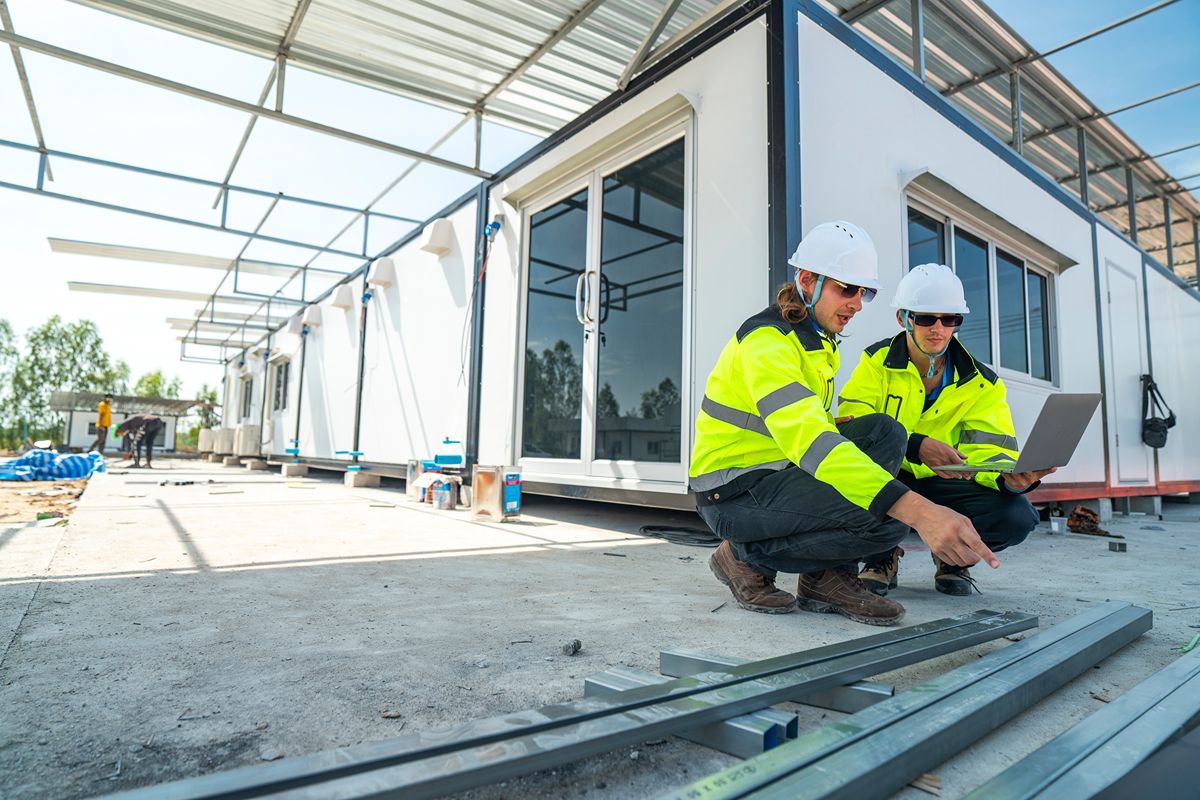
Installing a portable workspace is only the beginning of its lifecycle. Like any commercial facility, its condition is influenced not only by the quality of its construction but also by the upkeep it receives over the years.
Environmental exposure, everyday workflows, and normal wear affect various parts of the structure. Fortunately, several common issues can be determined and addressed long before they become costly repairs through regular checks and preventive measures.
In this article, we’ll explore the essential maintenance practices for container-based workspaces that help preserve functionality, extend service life, and keep modular offices operating optimally.
Rust and Coating Care
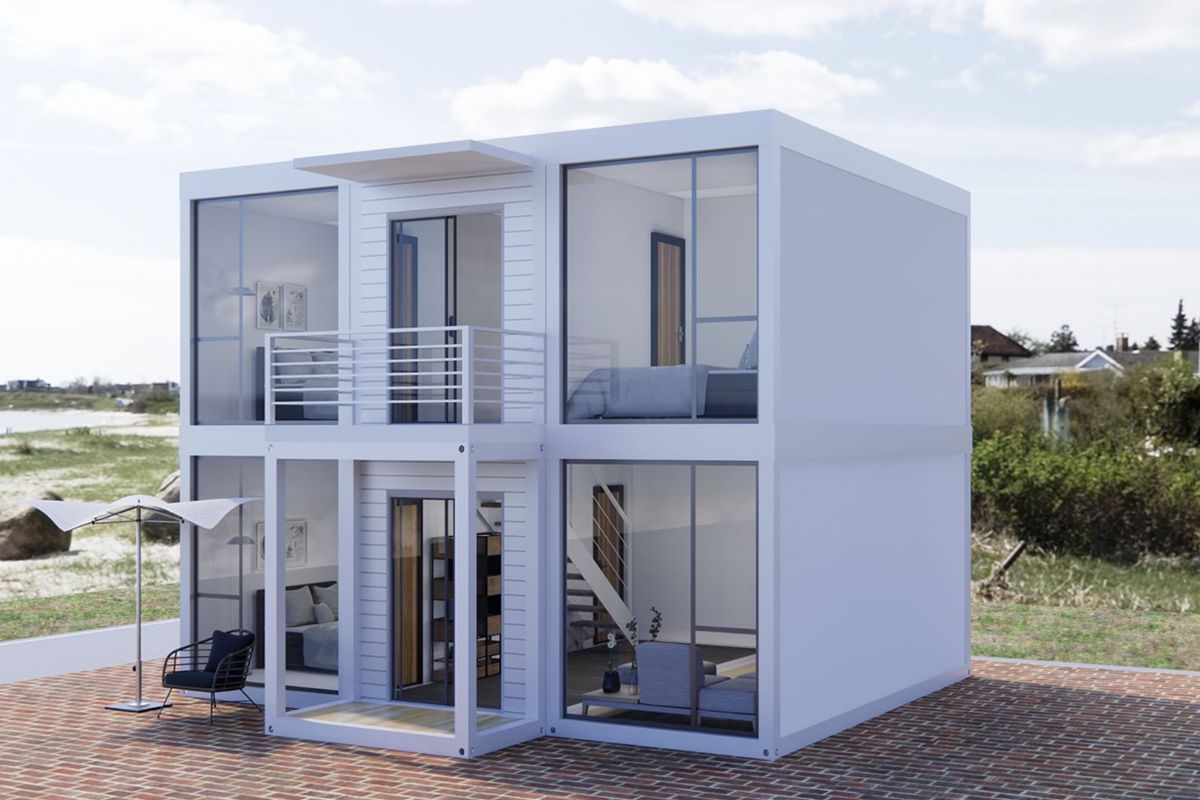
Steel is naturally durable, but with constant exposure to rain, humidity, sunlight, and everyday wear can eventually compromise protective coatings. Making rust prevention part of your routine maintenance preserves both the appearance and structural integrity of your container workspace.
Inspect Steel Surfaces
Coatings are meant to shield steel from moisture and environmental exposure, but they can wear down due to frequent use or extreme weather conditions. Once scratches, chipped paint, or dents expose bare metal, corrosion can grow beneath the surface.
To prevent these, include exterior checks in your maintenance timeline, paying close attention to the roof, wall panels, corners, welds, and other high-contact spaces. Identifying damaged coatings early carries out minor touch-ups before they develop into more extensive structural repairs.
Treat Corrosion Early
Surface rust rarely remains isolated when left unattended. As moisture continues to reach exposed steel, corrosion can spread beneath surrounding coatings, which weakens the material and increases restoration expenses.
When rust first appears, remove the affected area using the right cleaning processes before applying a rust-inhibiting primer and a suitable coating. Prompt treatment restores the barrier safeguarding the steel and prevents deterioration from spreading further.
Re-Seal Penetrations
Windows, doors, roof joints, utility penetrations, and fasteners all depend on sealants to keep humidity outside the building. These materials naturally age because of weather exposure, temperature shifts, and normal expansion and contraction.
For a maintenance practice, take time to check sealed joints continuously, specifically after prolonged rainfall or seasonal weather changes. Replacing cracked or deteriorated sealants prevents water intrusion while protecting insulation, interior finishes, and utility systems from damage.
Moisture and Ventilation Management
Moisture is one of the most typical aspects affecting the long-term performance of container-based workspaces. Because these structures are enclosed and made with steel, extreme humidity and poor airflow can encourage condensation, unpleasant odors, mold growth, and gradual deterioration of insulation and interior finishes.
Control Condensation
Because steel reacts fast to temperature differences, condensation can build up when warm, humid air meets cooler interior surfaces. To avoid this, check insulated wall panels, vapor barriers, and ceiling areas for indicators of moisture buildup or damage. Keeping insulation intact and ensuring temperature-control systems operate efficiently minimizes condensation before it develops into a more significant maintenance problem.
Run Air Circulation
Maintaining consistent ventilations begins through checking exhaust fans, roof ventilators, operable windows, and HVAC systems to ensure they work appropriately. Keeping these parts clean and well-upkept encourages healthier indoor air quality while minimizing the moisture levels that can contribute to mold growth or corrosion.
Clear Roofs
Although often overlooked, the roof is pivotal in protecting the whole establishment from water damage. Leaves, dust, and other debris can block drainage paths, which allows rainwater to collect instead of flowing away.
To avoid these issues, review the roof, gutters, and drainage outlets periodically, especially after storms or during seasons when debris tends to accumulate more immediately. Clearing obstructions prevents standing water, reducing the risk of leaks, and shielding roofing components from extensive wear.
Foundation and Utility Checks
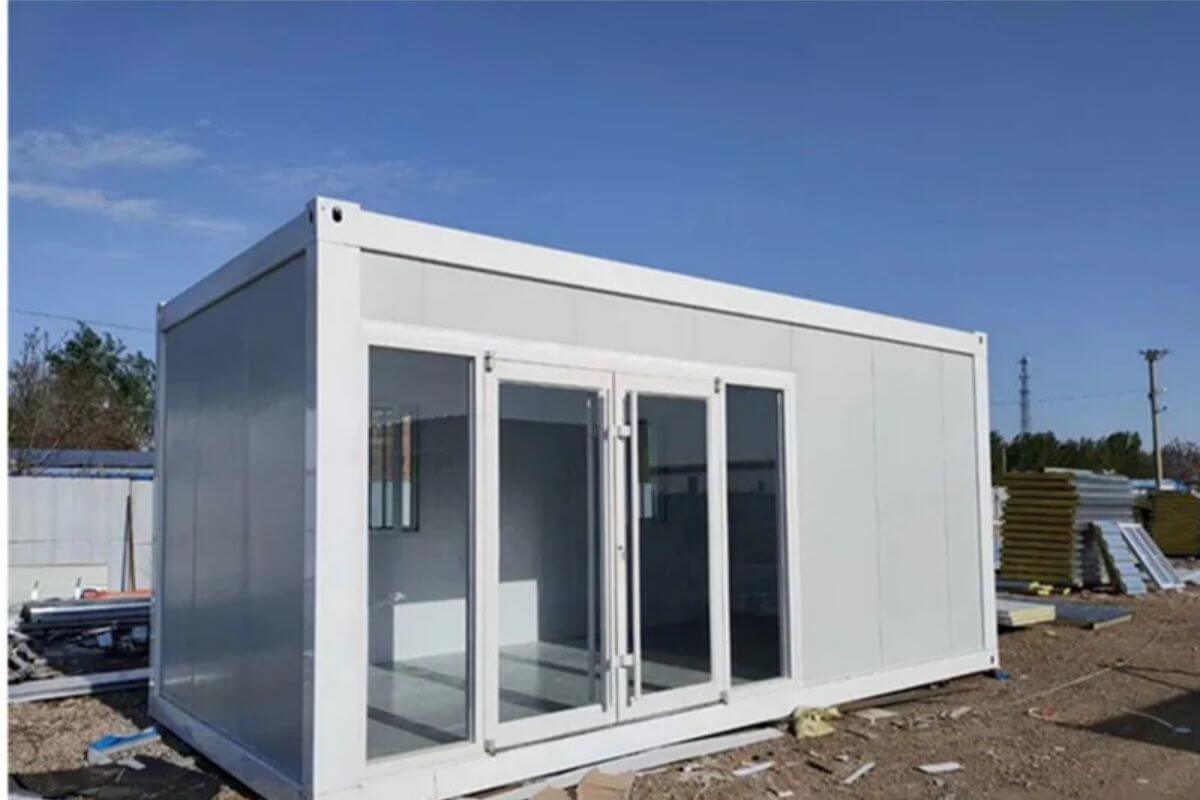
Durable container work setting depends on sturdy foundations and building solutions to perform at their best. Beyond preserving structural integrity, scheduled assessments ensure the facility remains safe, functional, and capable of supporting daily workflows.
Monitor Site Leveling
Ground conditions naturally change due to soil settlement, heavy rainfall, or repeated loading around the site. For this purpose, assess for uneven flooring, sticking doors, misaligned windows, or visible gaps around the establishment. If any of these signs appear, have the foundation or support system adjusted quickly to maintain stability and prevent further structural challenges.
Service Hardware
Doors, windows, locks, hinges, handles, and roller shutters are used everyday, making them susceptible to wear. To keep them functioning reliably, set an upkeep schedule that includes lubricating moving components, tightening loose fasteners, checking weather seals, and replacing worn parts when necessary. With consistent servicing, these fixtures may be easier to operate, ensure workplace security, or prolong their service life.
Test Utilities
Electrical wiring, plumbing, lighting, HVAC equipment, drainage solutions, and safety devices must continue working effectively to support daily business responsibilities. Rather than waiting for equipment failures to happen, it’s best to examine them to determine concerns like water leaks, unstable power supply, inconsistent cooling performance, or malfunctioning fixtures. Addressing these early reduces downtime and prevents more extensive repairs in the future.
Keep Your Container Workspace Performing with Indigo Prefab House
Long-term performance starts with selecting a container workspace that’s built for durability from the outset. Indigo Prefab House designs and manufactures customizable modular prefab solutions that combine quality materials with practical engineering.
Prefab structures are made with parts, such as durable light steel frameworks, insulated roof and wall panels, anti-rust protection, and customizable doors and windows. Paired with periodic preventive upkeep, these features help businesses maximize the lifespan of their facilities and reduce repairs and replacements. Ultimately, Indigo delivers modular systems that continue to provide value long after installation.
Key Takeaway
Following these essential maintenance practices for container-based workspaces ultimately preserve structural integrity and maintain operational adequacy of your modular facility.
With durable, high-quality solutions from Indigo Prefab House, you can confidently invest in workspaces designed for long-term performance. If you’re ready for procurements, reach out to us today, and let us help you to find the right solution for your operational demands.
Share on


Most Viewed Posts
How Long Does It Take to Install a Prefab Container Building?
Read More
What Defines a High-Performance Modular Office for Manufacturing Sites
Read More
How Container Offices Improve Space Efficiency in Factories
Read More
Why Flexibility Makes Modular Offices Ideal for Industrial Operations
Read More

What to Consider When Choosing a Prefab Office for Manufacturing Use
Read More