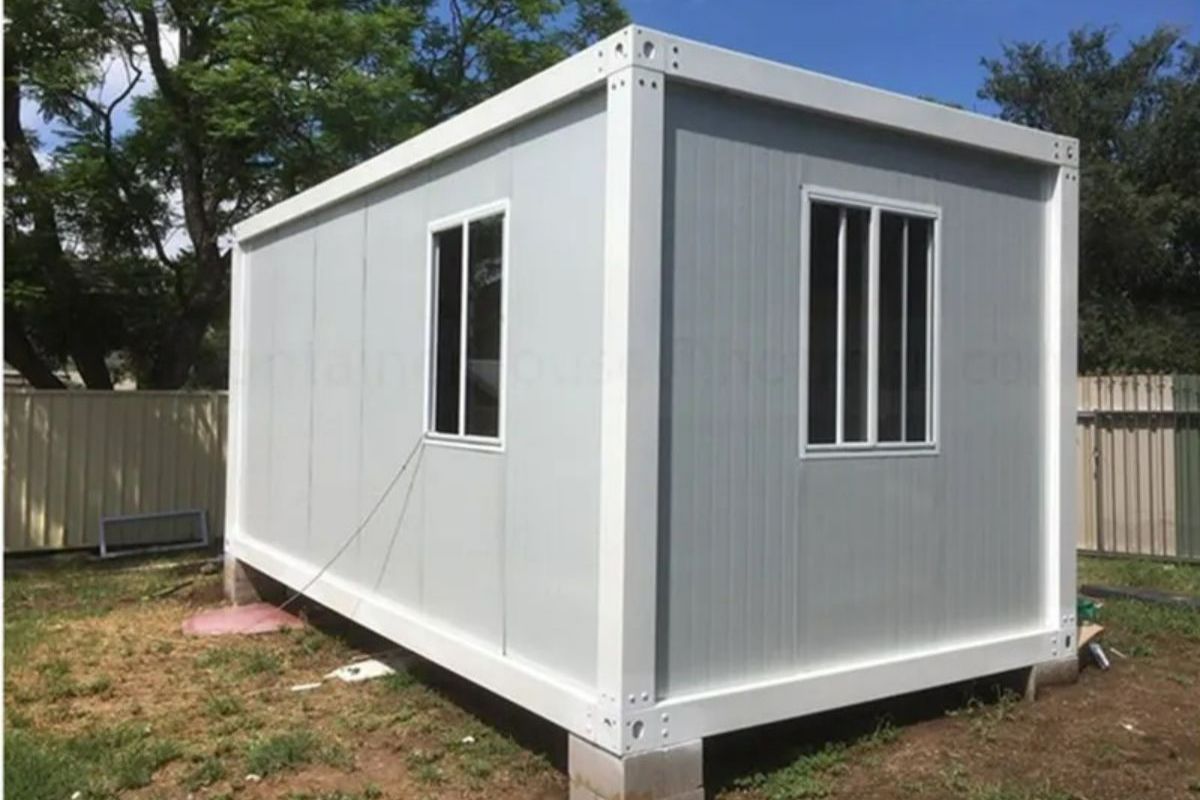
Why do LGUs and contractors prefer prefab barracks over bunkhouses?
- Prioritizes a more robust structural design
- Enhances worker living conditions
- Reduce construction costs
- Align with industry perception and standards
- Streamline logistics and simplify assembly
Overview
- The shift toward modular construction is reshaping how LGUs and contractors approach workforce housing.
- Prefab barracks outperform traditional bunkhouses by offering faster deployment, stronger structural integrity, better living conditions, and long-term reusability.
- Built off-site to strict standards, these units minimize delays, reduce waste, and deliver better value over multiple projects.
The construction landscape is shifting toward modularity for better reliability. This transition explains why LGUs and contractors prefer prefab barracks over bunkhouses for modern infrastructure. Because units are pre-built, they avoid common weather delays—this makes housing ready for occupancy immediately.
Moreover, these structures offer better long-term value than traditional builds. Prefab units are mobile assets that you can relocate and reuse easily. In contrast, traditional bunkhouses are often single-use and require demolition once a project ends. That said, choosing modularity reduces waste and improves your return on investment.
In this article, we will examine the core factors behind this growing industry preference. We will also explore the cost benefits and the improved safety standards these modern units provide.
Prioritizes a More Robust Structural Design
Prefab barracks feature load-bearing frames and standardized components for maximum durability. Unlike bunkhouses that rely on improvised methods, these units meet strict engineering codes. This design ensures the structure can withstand harsh weather and heavy use.
Standardization also guarantees consistent quality across every unit produced. Using high-grade steel and fire-rated materials increases the lifespan of the building.
Enhances Worker Living Conditions
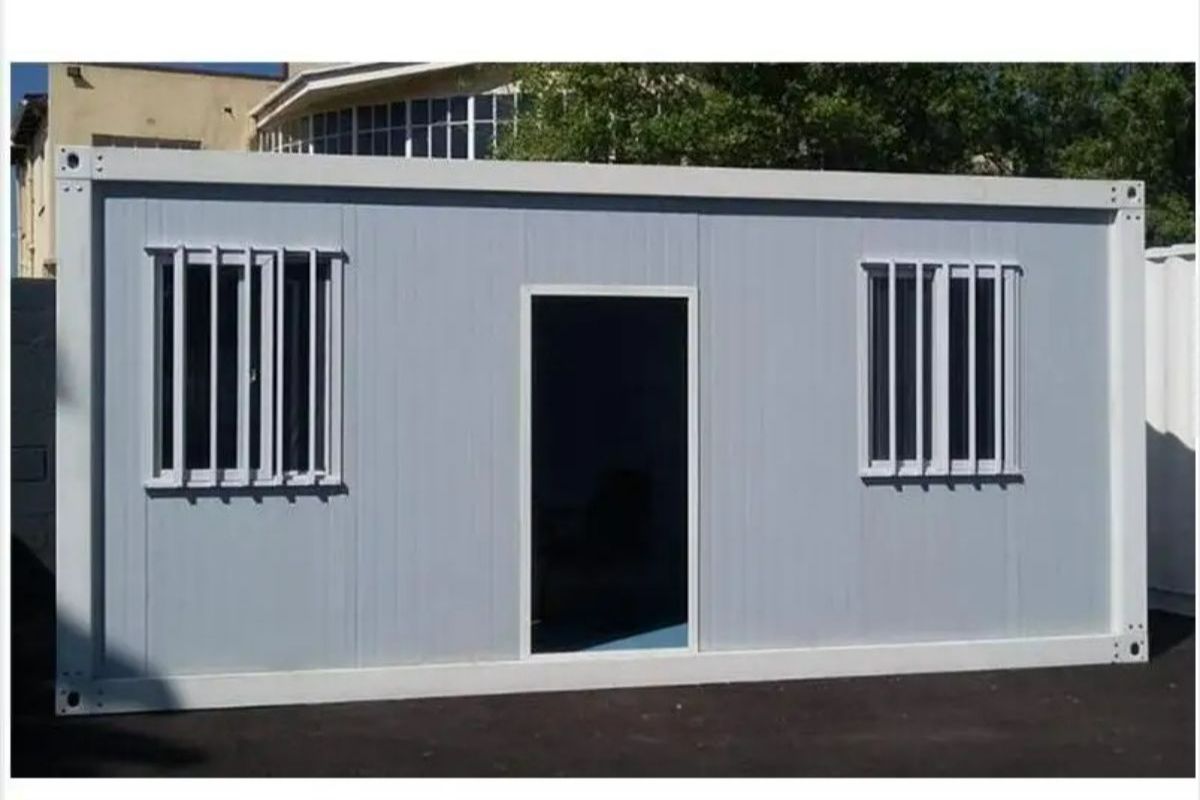
Modern prefab units include built-in insulation and superior ventilation systems. Just like the modular barracks at Indigo Prefab House, which features color-coated steel PU sandwich panels for walls and integrated indoor climate control.
This is important because housing conditions directly impact the health and productivity of the crew. Providing them with comfortable and habitable housing improves their morale and leads to better rest among the workforce.
Reduce Construction Costs
Off-site manufacturing significantly lowers expenses by reducing material waste and on-site labor. Financial benefits also extend to the end of the project life cycles. Knowing LGUs and Contractors, which both have multiple projects a year, a reusable structure can save thousands in expenses.
Moreover, the shortened installation timeline prevents costly project delays and overhead costs. Workers can be deployed immediately and begin working on the project.
Align with Industry Perception and Standards
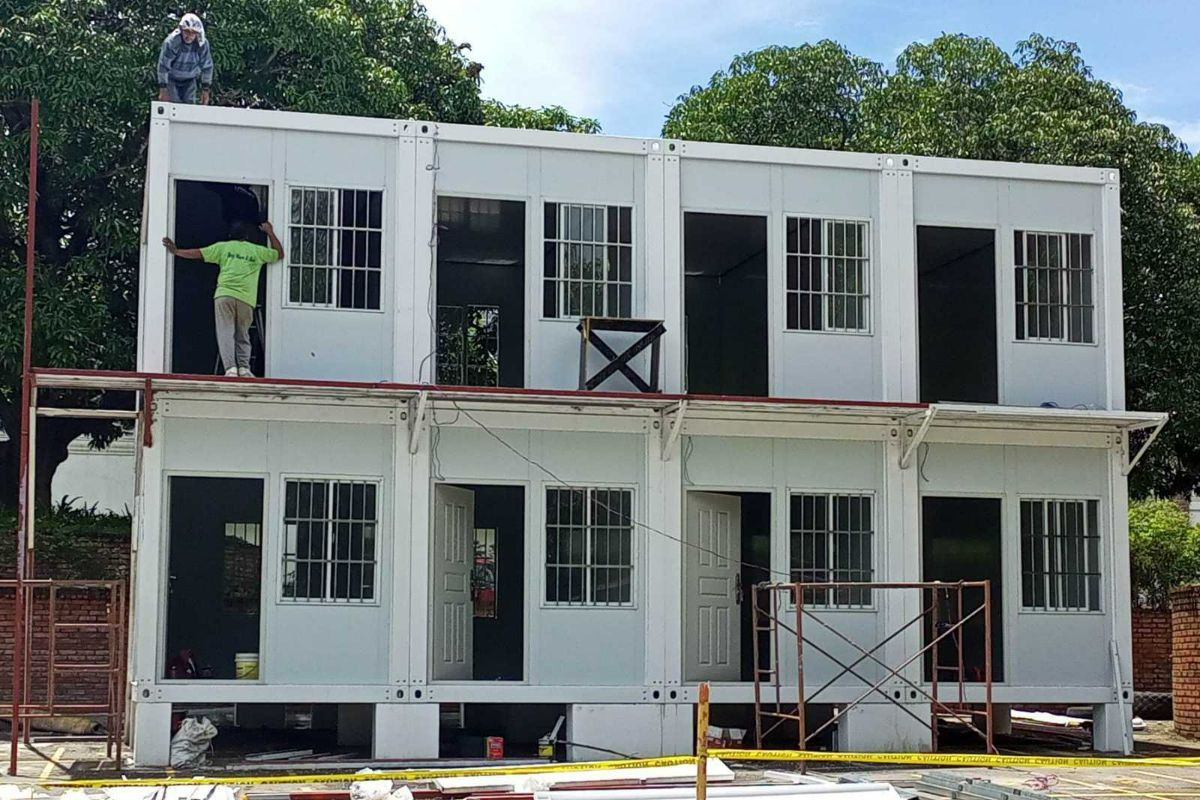
Modern standards require documented proof of structural integrity and fire safety. Prefabricated systems provide these certifications upfront for easier project approval.
At Indigo Prefab House, our standardized units demonstrate a commitment to professional excellence and regulatory compliance. Our prefab buildings meet international safety quality certifications that will help boost the reputation of your firm or appeal to government auditors.
Streamline Logistics and Simplify Assembly
Shipping flat-packed or modular units simplifies transport to remote or difficult locations. Once they arrive, a small crew can finish the assembly in just a few days. This efficiency eliminates the need for large onsite construction teams and heavy equipment.
Simplifying the supply chain reduces the risk of missing materials or transport delays. The assembly process follows a clear, repeatable manual for every site.
Comparing Prefab Barrack and Bunkhouse
Prefab barracks and bunkhouses may seem similar, but their differences matter in real-world applications. Understanding these distinctions explains why many LGUs and contractors lean toward prefab barracks.
Construction Method
The way a structure is built determines how well it meets project demands. Examining construction methods helps you differentiate the quality of each housing option.
Prefab Barrack: Utilizes factory-prefabricated steel-framed modules with insulated sandwich panels, enabling swift on-site bolting or stacking for rapid deployment
Bunkhouse: Involves labor-intensive on-site construction, starting with poured concrete foundations, followed by wood or metal framing and masonry walls, which prolong completion timelines.
Design and Function
Beyond construction, design, and functionality shape comfort, efficiency, and long-term use. This comparison highlights usability efficiency for your project needs.
- Prefab Barrack: Features a modular steel design with integrated insulated sandwich panels and built-in ventilation ports for efficient worker housing.
- Bunkhouse: uses rigid on-site layouts with basic framed walls and minimal built-in airflow that may worsen in humid conditions.
Key Takeaway
The growing preference for prefab barracks over traditional bunkhouses reflects a broader shift toward smarter, more accountable construction practices. For LGUs and contractors, prefab housing delivers measurable advantages—stronger structural integrity, faster deployment, improved worker welfare, and compliance with modern safety and quality standards.
At Indigo Prefab House, prefab barracks are designed as long-term, reusable assets rather than temporary fixes. Reach out to us today to explore prefab barrack solutions tailored to your project requirements and deployment timelines.
Share on


Most Viewed Posts
Prefab Office vs Traditional Construction: Cost Comparison
Read More
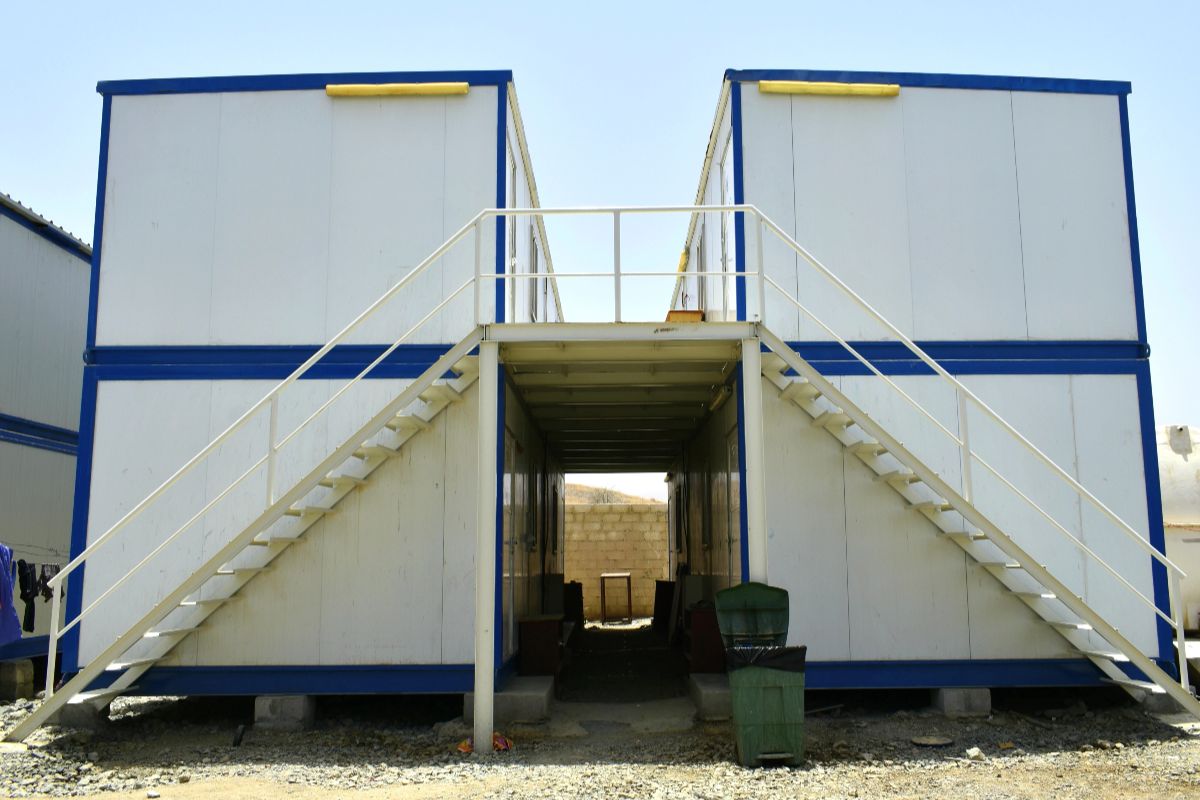
When Does Your Project Need a Modular Office?
Read More
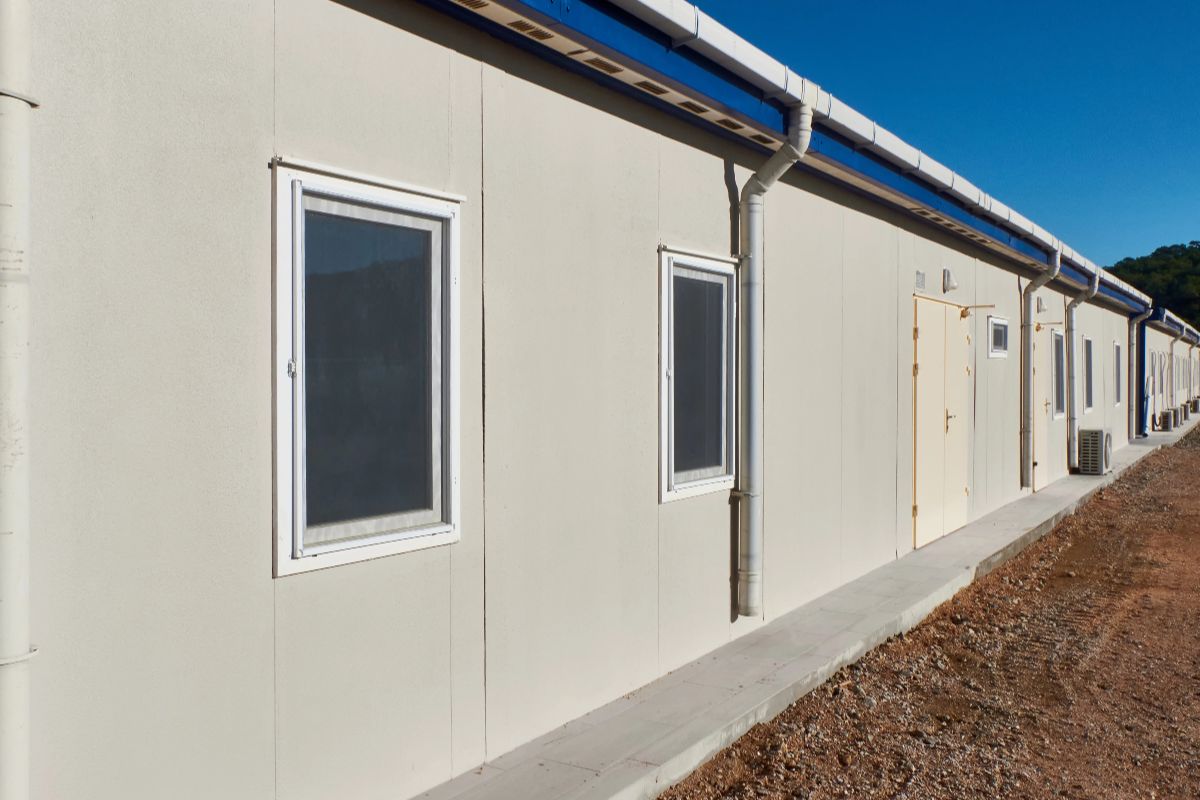
Why Businesses in Cebu City Are Choosing Mobile Offices
Read More
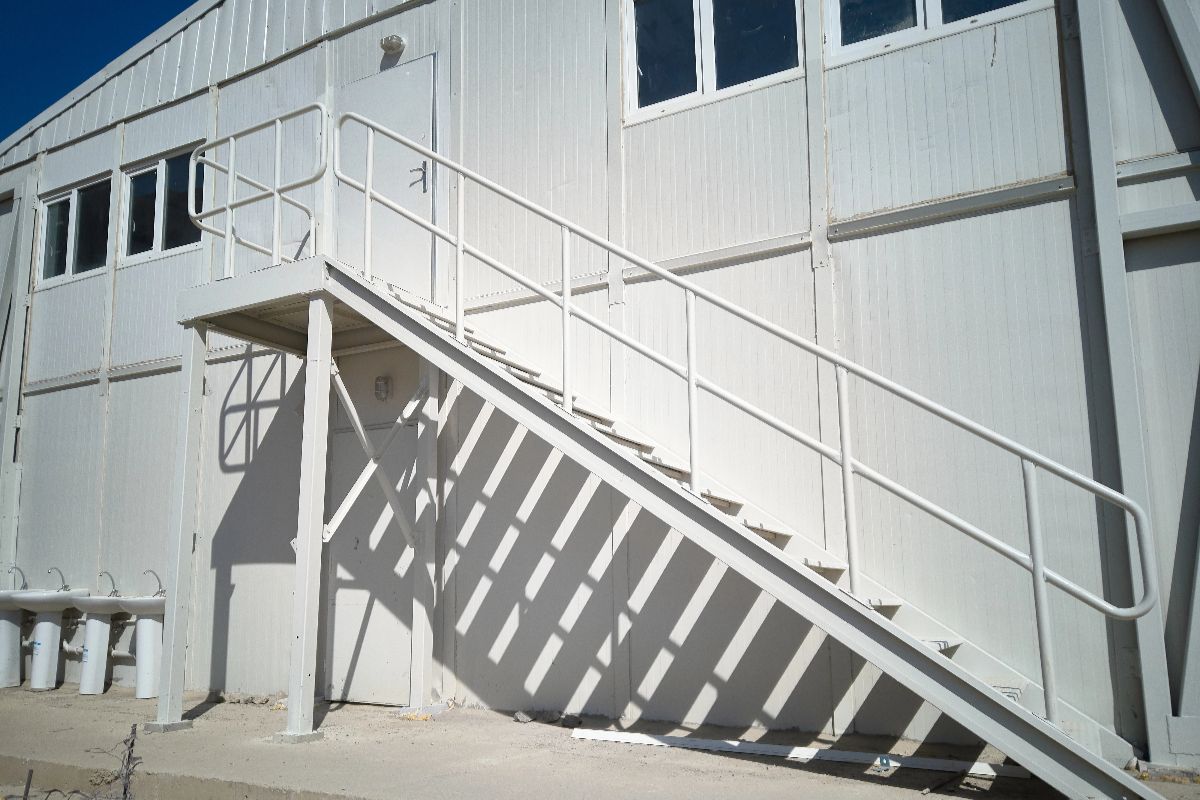
Common Workplace Challenges in Cebu City Construction and Industrial Sites
Read More
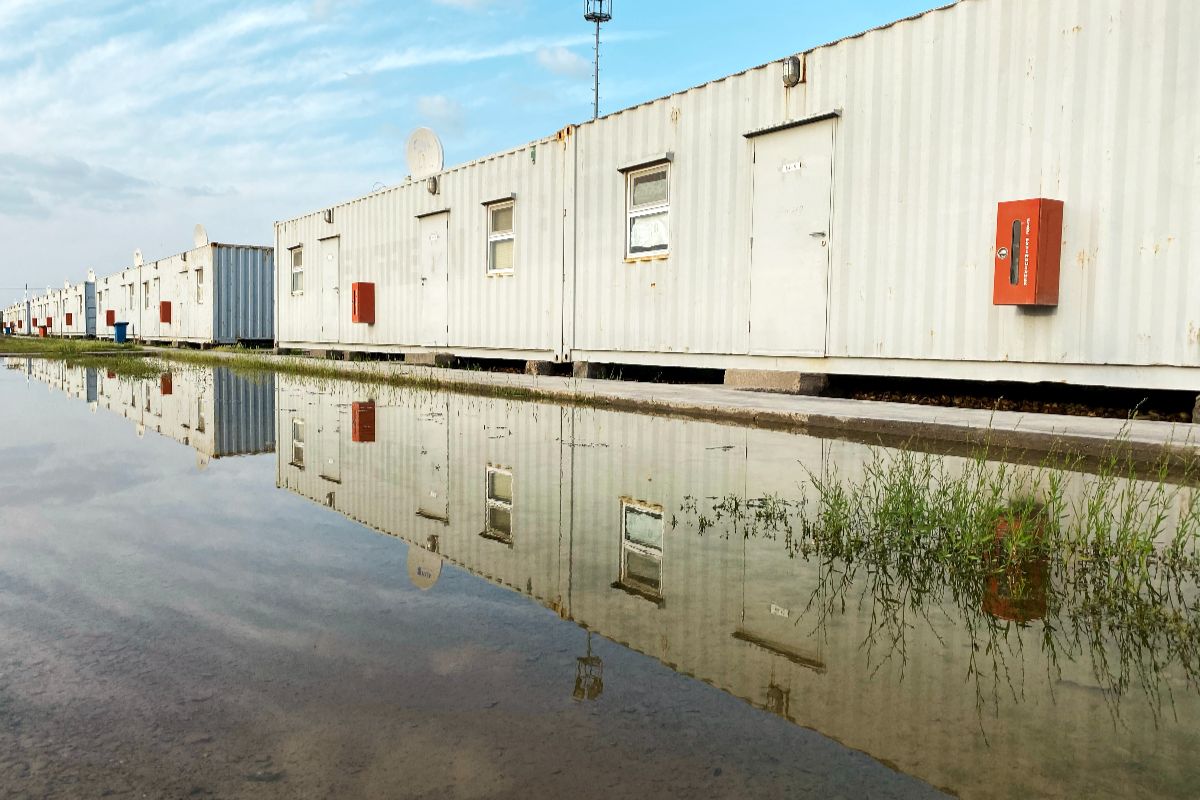
What to Consider Before Buying a Prefab Container Site Office
Read More