How to expand your warehouse quickly without major renovations?
- Use a prefab warehouse for rapid solutions
- Install a high-density multi-level racking system
- Designate zones to streamline the operations flow
- Implement cross-docking to accelerate dispatch
- Optimize inventory by working closely with suppliers
Overview
- Expanding warehouse capacity doesn’t have to involve costly renovations or long downtime.
- With smart strategies and the availability of prefab structures, businesses can scale quickly and efficiently.
- Indigo Prefab House provides fast, durable prefab warehouse solutions built for rapid deployment and reliable performance.
Expanding your warehouse doesn’t have to drain your budget or slow down operations. Many business owners and project managers face the same challenge: growing demand, but limited space. Traditional renovations often mean high costs, long timelines, and major disruptions.
You can scale your warehouse quickly without tearing down walls or halting productivity. By choosing smart, efficient expansion methods—such as modular add-ons and prefab structures—you get the extra space you need while keeping expenses low and timelines short.
Learning how to expand your warehouse quickly without major renovations can help your business meet increasing demand—all while maintaining efficiency.
Use Prefab Warehouses for Rapid Solutions
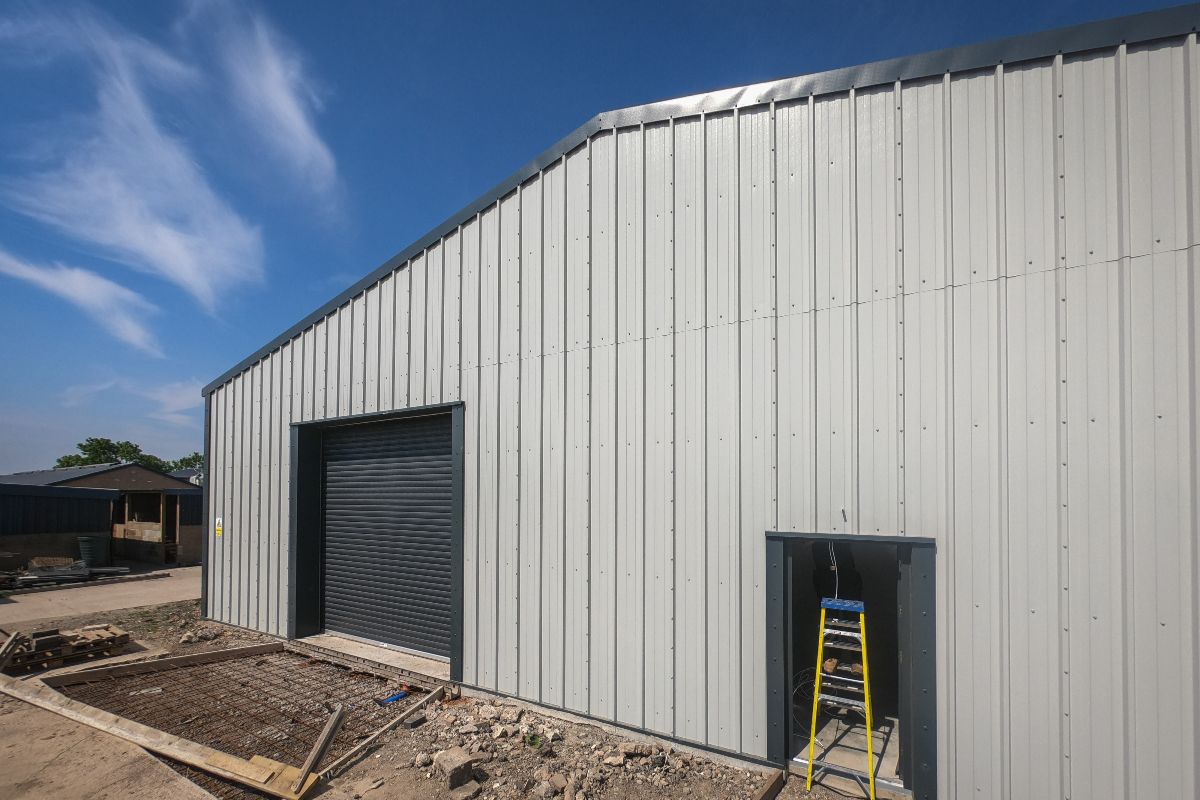
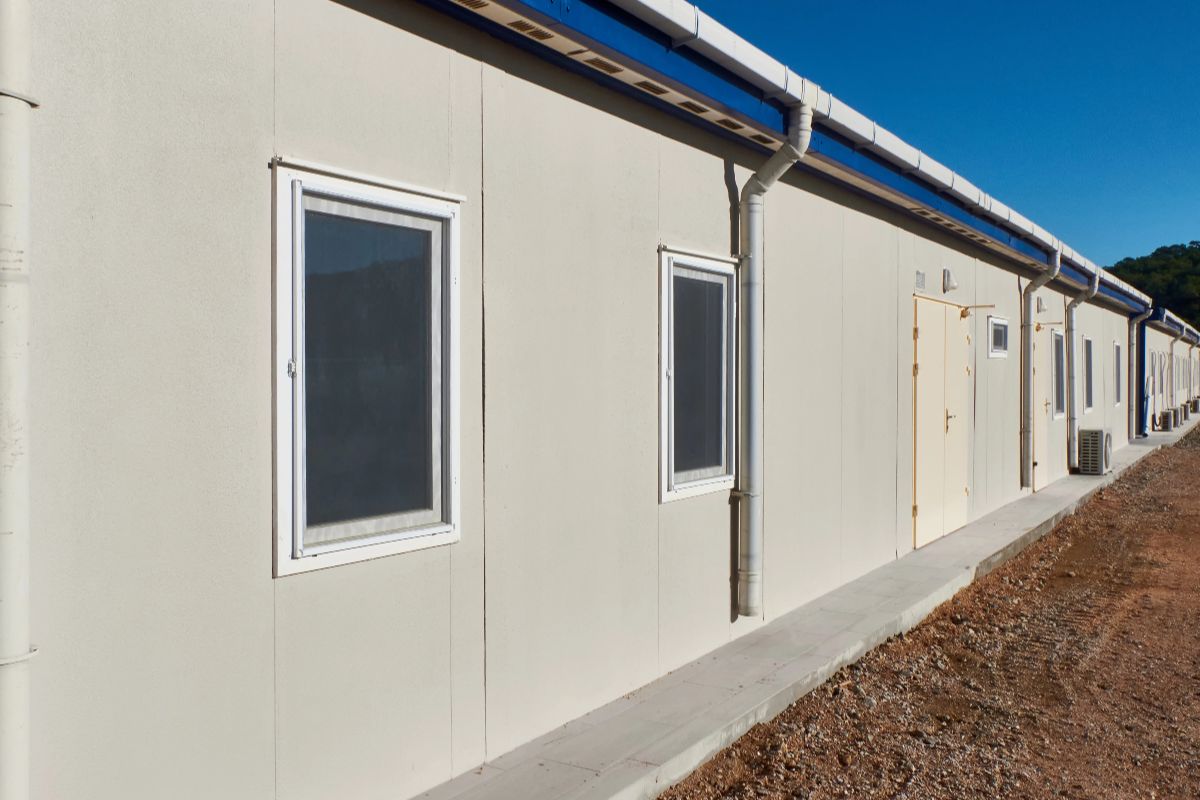
Prefabricated warehouses provide a fast and efficient way for businesses to expand storage capacity. This modular set-up offers a rapid solution without the delays and high costs of traditional construction.
Built from standardized, factory-made components, they can be assembled on-site in a fraction of the time. This efficiency allows companies to scale operations in weeks rather than months or years.
Beyond speed, their modular design supports flexible expansion and durable, weather-resistant construction. These features ensure long-term operational efficiency, ideal for businesses seeking growth and continuity in a dynamic market.
Indigo Prefab House, one of the leading prefab distributors in the country, offers this advantage. Our warehouses are constructed using a robust selection of materials designed for durability and cost-effectiveness. See the list below:
- PU Roof and Wall Panels
- Ventilation Ball
- PVC Window
- Gutter and Downpipe
- Roll-up Door
- Colum, Beams, and Purlin
With these all-in-one solutions and a skilled team, we guarantee that your storage needs are ready for use in no time.
Install High-density Multi-level Racking System
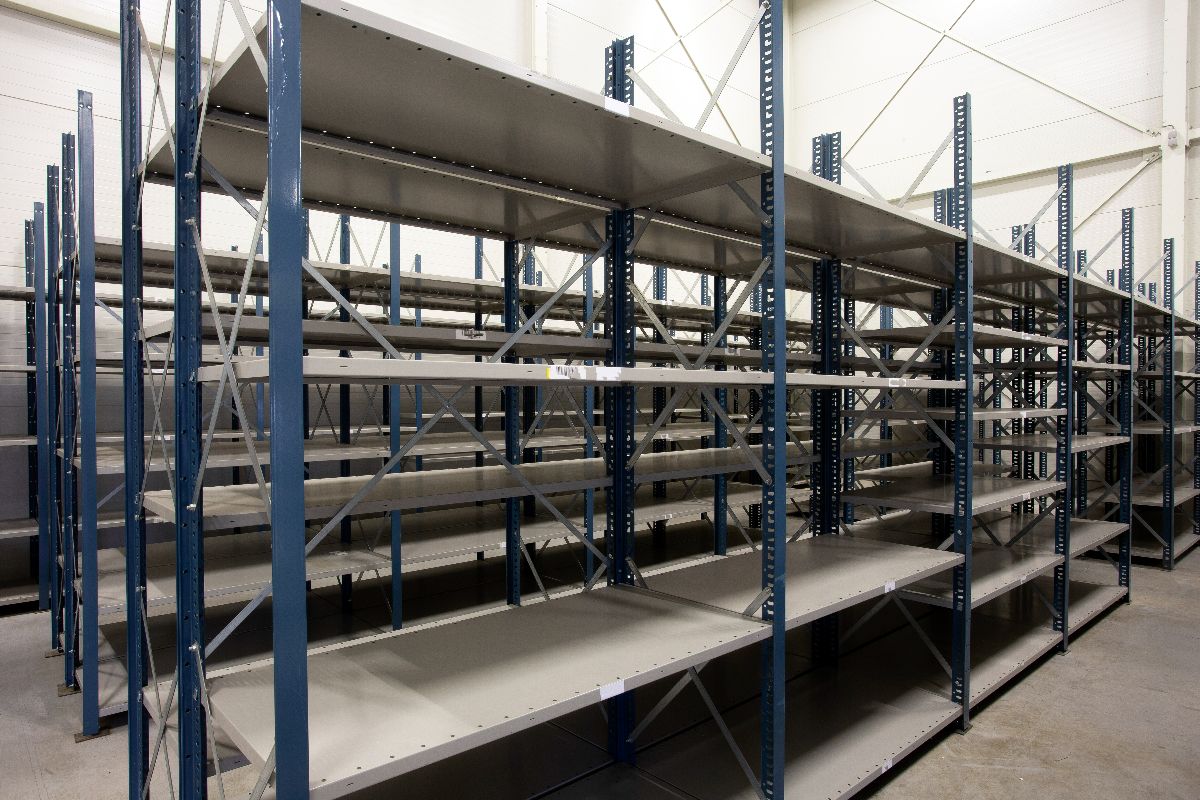
The vertical space of a warehouse storage is often overlooked, but it can prove useful to your expansion needs with the right strategy. One way to maximize that extra space is to install a high-density multi-level racking system.
To do so, start by assessing the layout, ceiling height, and inventory type to design a structure that fits your needs. It must be optimal for operations, at the same time, adheres to safety standards.
The warehouse floor must be leveled and reinforced to handle heavy loads, and professional installation ensures the system is securely anchored and stable. These racking systems must also be made up of upright frames and beams for structural integrity.
When carefully designed and installed, multi-level racking systems enhance storage density, streamline inventory flow, and boost overall warehouse productivity while preparing for future scalability.
Designate Zones to Streamline Operations Flow
Storage capacity issues can simply be solved by organizing the warehouse. This can be made easy by designating specific zones to enhance operational flow and efficiency.
Activities like receiving, storage, picking, packing, and shipping must all be clearly defined in specific areas. In this way, businesses minimize congestion and fast-track processing times altogether.
With a structured approach and strategic placement, zoning establishes clear traffic routes for optimal warehouse performance that eliminates the need for expansion.
Implement Cross-docking to Accelerate Dispatch

In logistics, cross-docking refers to a process where incoming goods are immediately sorted and transferred to outbound docks. This approach is ideal because it means businesses would only need minimal to no storage time at all.
This system accelerates dispatch by reducing manual handling and helps warehouses manage higher volumes without major renovations.
For enterprises with fast-moving inventory, this is the most effective way to streamline logistics, all while saving costs involved in storage needs.
Optimize Inventory by Working Closely with Suppliers
One of the most powerful strategies in organizing warehouses is working closely with suppliers. When both parties share real-time data, whether it’s a delivery schedule or inventory status, businesses can accurately forecast inbound logistics.
In this way, you can better plan the flow of the supplies to avoid congestion and unnecessary need for warehouse expansion.
By coordinating closely, businesses can plan for fluctuations in demand, reduce lead times, and improve overall supply chain agility. Regular communication and joint problem-solving enable faster responses to disruptions or market changes.
Key Takeaway
Scaling your warehouse doesn’t have to mean slowing your business down—strategic planning and modern prefab solutions can help you grow at the pace demand requires. With the right approach, you can increase capacity while minimizing downtime and unnecessary costs.
If you’re looking for a fast, reliable way to boost your storage, Indigo Prefab House delivers prefabricated warehouses designed for strength, flexibility, and quick deployment. Reach out to us and let’s build a solution that fits your growth.
Share on


Most Viewed Posts
Prefab Office vs Traditional Construction: Cost Comparison
Read More
When Does Your Project Need a Modular Office?
Read More
Why Businesses in Cebu City Are Choosing Mobile Offices
Read More

Common Workplace Challenges in Cebu City Construction and Industrial Sites
Read More

What to Consider Before Buying a Prefab Container Site Office
Read More