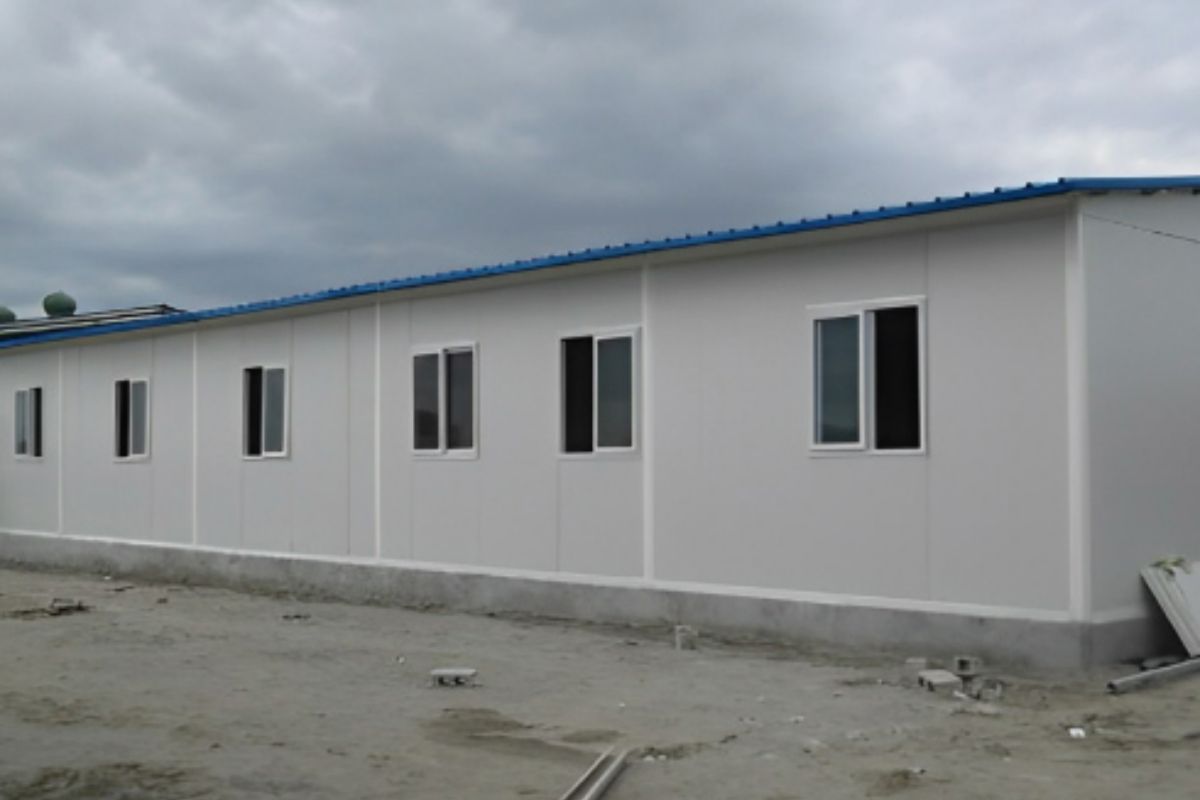
What are the smart space planning ideas for construction site offices?
- Design an open floor plan
- Install multifunctional furniture
- Optimize vertical storage
- Designate functional zones
- Maximize natural light
- Use color psychology
- Integrate technology
Overview
- Efficient construction site offices boost productivity and teamwork through smart space planning.
- Open layouts, multifunctional furniture, and vertical storage optimize every inch, while natural light and thoughtful colors enhance focus and well-being.
- At Indigo Prefab House, you can customize your office into a professional, organized workspace that supports both organizational goals and employee well-being.
When a construction site office lacks structure, the whole team feels the impact. A disorganized workspace disrupts productivity and slows down decision-making.
That’s why you must design an efficient office setup—a commander center that keeps operations smooth and communication clear. Smart space planning ideas for construction site offices make this possible.
A well-designed construction van office maximizes space and builds a culture of order and professionalism. In this article, we explore how strategic layouts and functional design can transform ordinary offices into smart, efficient hubs that mirror the excellence of every project.
Design an Open Floor Plan
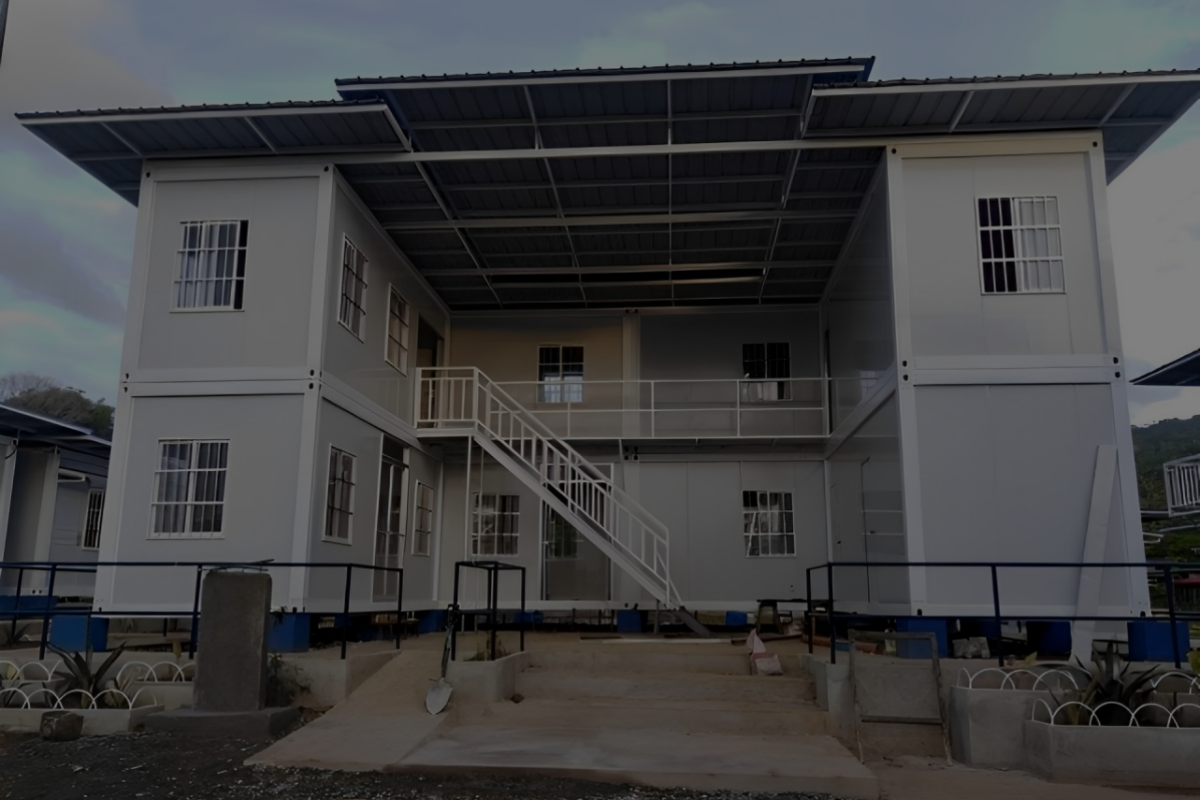
An open floor plan is a modern design approach that emphasizes spaciousness by minimizing interior walls. This layout is made possible through the use of heavy-duty beams and durable steel frames for structural support.
One of its key advantages is improved communication and collaboration among team members.
In office settings, it fosters interaction and a more cohesive workflow. It also allows for efficient movement throughout the space, which is especially important for experts frequently moving in and out of work areas.
It promotes flexibility, accessibility, and a seamless connection between functional zones.
Install Multifunctional Furniture
Many overlook the potential of well-planned furniture to enhance office performance.
Smart and convenient setups, like file cabinets that double as tabletops for personal essentials, maximize both function and accessibility.
Another great example is a personal desk that can be easily extended for quick team huddles. This simple adjustment transforms an individual workspace into a collaborative area.
Multifunctional pieces promote efficiency by minimizing movement around the office, saving time, energy, and space.
Optimize Vertical Storage
The floor-to-ceiling shelving design of vertical storage maximizes space capacity without occupying additional floor space. This space-saving solution is ideal for small offices.
One of its advantages is that files are neatly stored in one centralized area. This makes storage accessible, which promotes better organization and quicker document retrieval.
It creates a tidy, clutter-free workspace, which minimizes distractions and helps you stay focused on the task at hand.
In the construction industry, where every detail matters, maintaining focus and organization is essential to ensure accuracy and efficiency.
Designate Functional Zones
Construction site offices can be designed with an open layout while still incorporating functional zones to support daily operations.
Instead of using full walls, consider half walls or modular partitions to define areas without making the space feel cramped or enclosed.
Here are some key functional zones you can include:
- Dedicated project area
- Conference room or meeting space
- Breakout and common areas
- Activity-based workspaces
By integrating these zones, offices can be transformed into human-centered environments that balance functionality with comfort. It supports both organizational goals and employee well-being.
Maximize Natural Light

A study by the National Sleep Foundation found that employees exposed to natural light in the workplace experience better sleep quality and improved circadian rhythm regulation.
Consider incorporating glass elements, transom windows, and skylights that allow sunlight into the office interior.
It is important in smart space planning because natural light creates a healthier, energy-efficient workspace.
It reduces the need for artificial lighting during daytime hours, lowering energy costs. And more importantly, it enhances the overall productivity and well-being of the employees.
Additionally, ample daylight helps reduce eye strain and promotes a more positive mood.
Use Color Psychology
Thoughtful color selection improves visual appeal and supports a productive atmosphere. This space planning is supported by color psychology, a study that determines the influences of colors on human emotions and behavior.
For offices, it is recommended to use neutral, light base colors, like white and beige, to create a clean foundation. It also gives an illusion of spaciousness that helps make the area appear larger and brighter. These tones evoke a sense of calm and openness.
Meanwhile, you can also add a pop color, like blue and green strokes. These colors can promote focus and clarity, ideal for functional zones that require concentration and creative thinking.
Integrate Technology
Modern offices increasingly integrate digital tools and software to streamline project management and enhance collaboration.
These technologies improve communication and enable real-time coordination among teams, whether working on-site or remotely.
For instance, the use of cloud-based platforms has become essential in today’s workflow. They allow seamless file sharing, ensuring that office and field teams remain aligned throughout the entire project timeline.
In addition, specialized software such as Computer-Aided Design (CAD) is widely used for architectural and engineering applications. It enables professionals to create, visualize, and adjust plans efficiently.
This innovation and connectivity minimize delays and promote transparency across departments.
Key Takeaway
With every project running on tight schedules and constant collaboration, having an efficient site office is key to smooth operations. A well-designed workspace keeps teams focused and tasks moving without delay.
With Indigo Prefab House, you can access high-quality, mobile, and easy-to-set-up site offices designed to match your operational needs. Contact us today to learn more about our prefab solutions.
Share on


Most Viewed Posts
Prefab Office vs Traditional Construction: Cost Comparison
Read More
When Does Your Project Need a Modular Office?
Read More
Why Businesses in Cebu City Are Choosing Mobile Offices
Read More
Common Workplace Challenges in Cebu City Construction and Industrial Sites
Read More
What to Consider Before Buying a Prefab Container Site Office
Read More